A group of people stand with cars in the background

Wide Open day at Bolton Fell Moss

What a day on Monday to celebrate Bolton Fell Moss and the work that’s been done through the Moss of Many Layers project. We were blessed with dry weather for the walk, and the buzz continued in Hethersgill Village Hall afterwards.

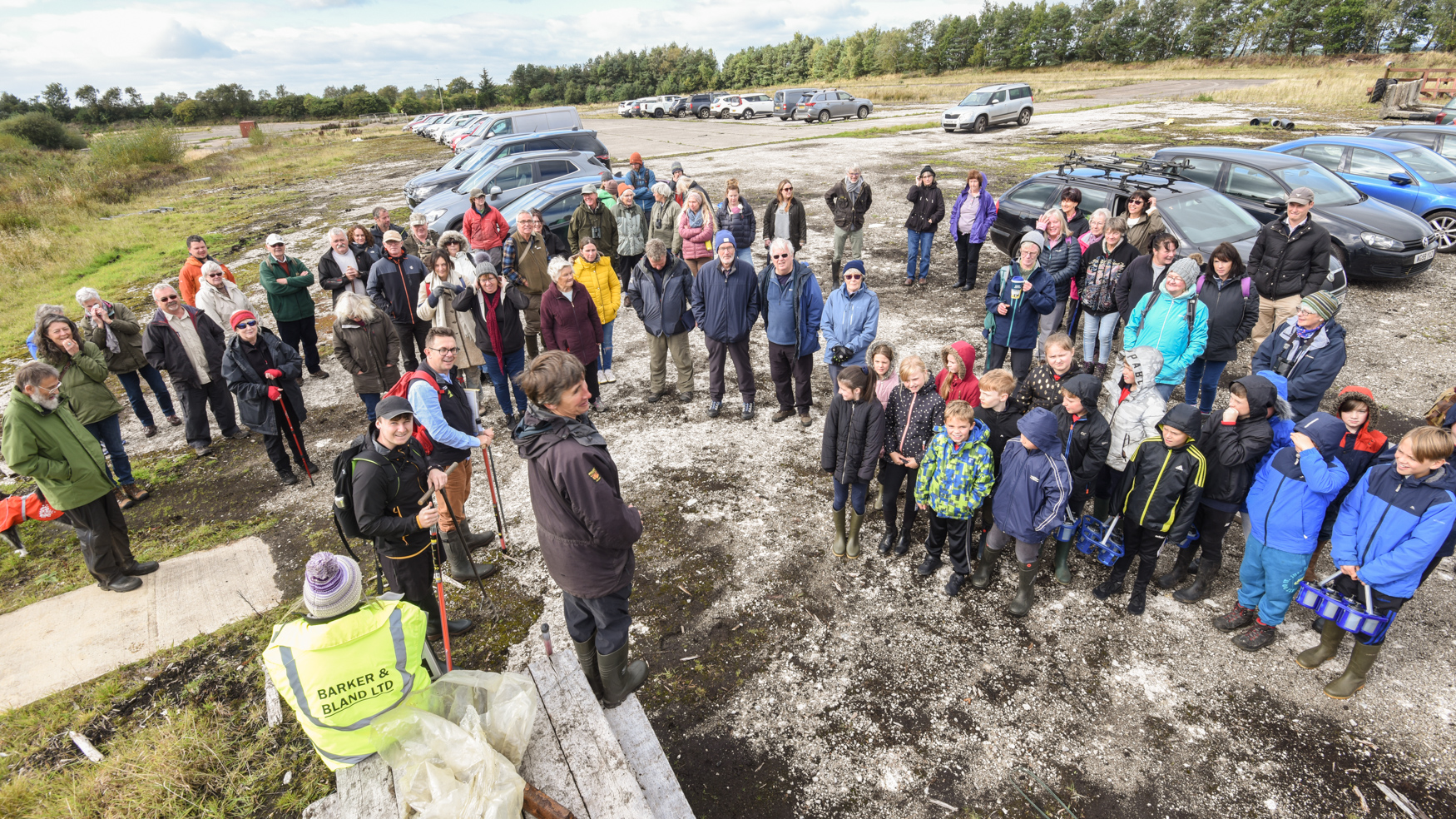
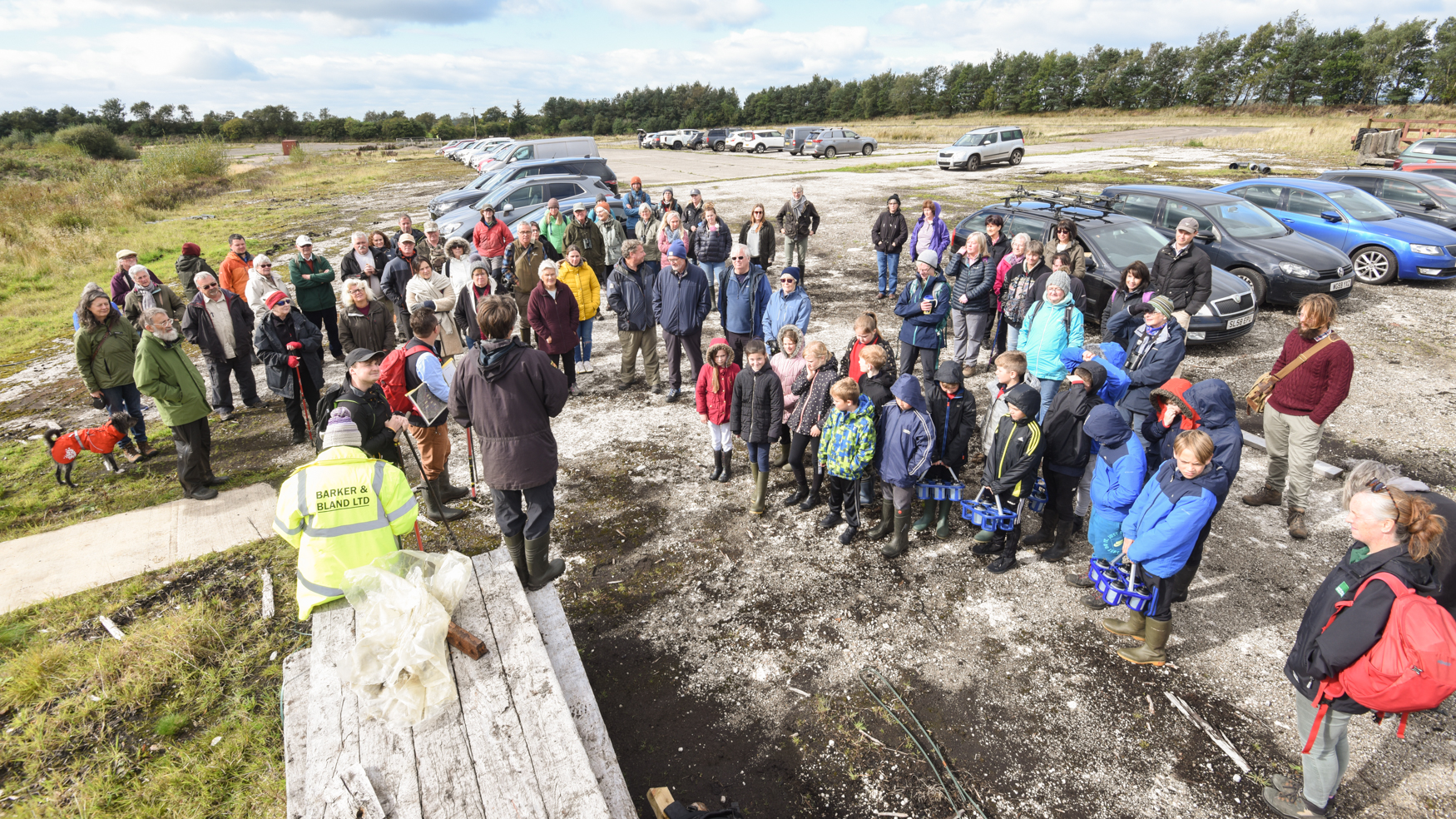
A group of people gathered in a car park before heading out on a walk

We were quite astounded with the uptake of tickets for the walk – more than seventy people came along. We separated into four smaller groups, each led by two members of the Moss of Many Layers team who shared insights about the bog.

Huge thanks to everyone who came along – in each group there were people who had never been here before, as well as people who have connections with this place, so there was a lot to be shared, including stories of working here during the bog’s time as a site of peat extraction, or of working on restoration tasks, surveying and conservation. The children shared their own stories and the knowledge they’ve gained during the past year and were able to show others the peat ‘bunds’ they had created, which are now holding water, ready for sphagnum mosses to become established.

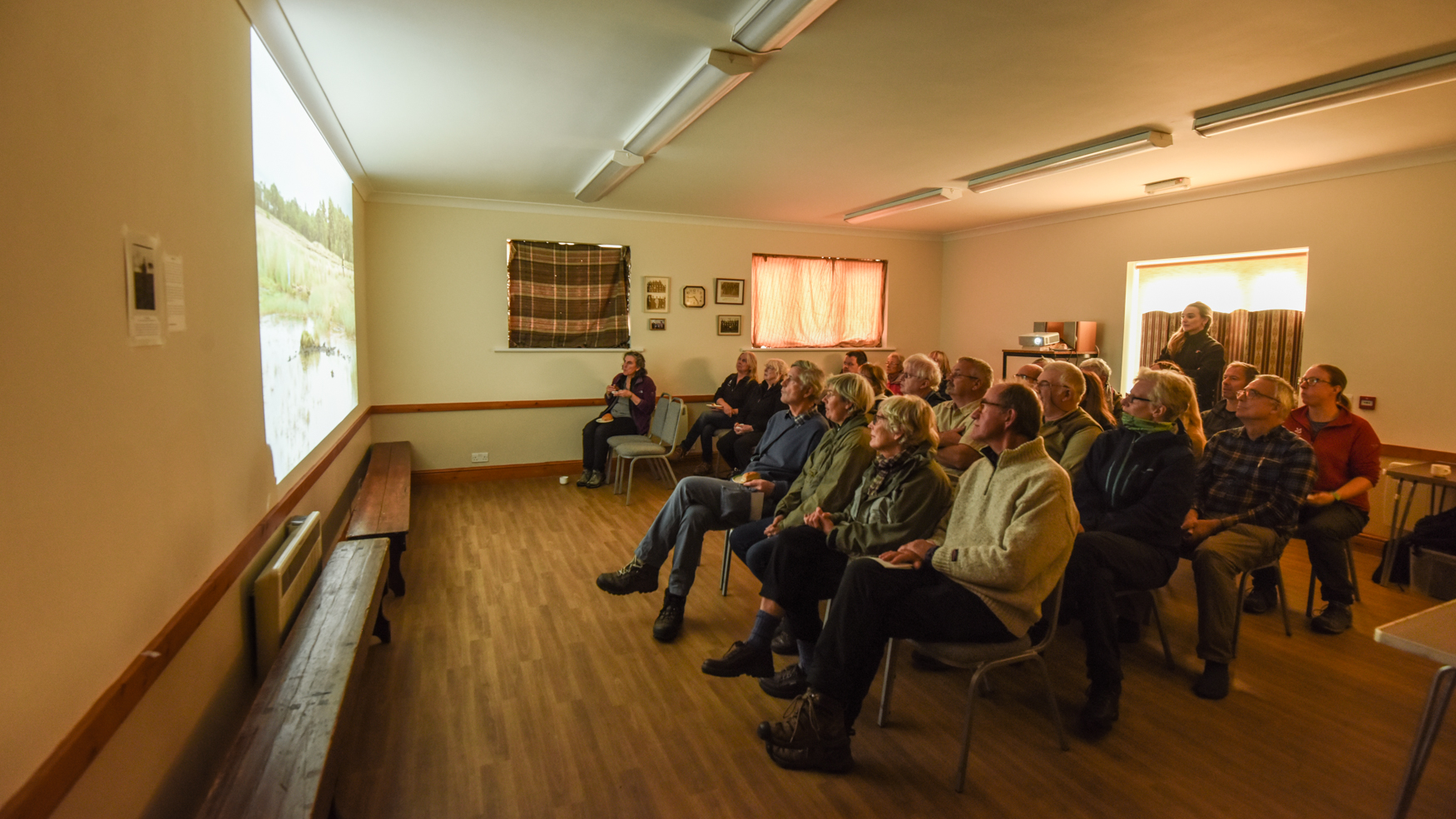
In the hall there was plenty of time for people to chat and find out more about Bolton Fell Moss and about the Moss of Many Layers project. People arrived who hadn’t joined the walk, it was a real pleasure to meet so many people who live locally and have their own connections with the bog. There is a lot of pride in this wonderful place!

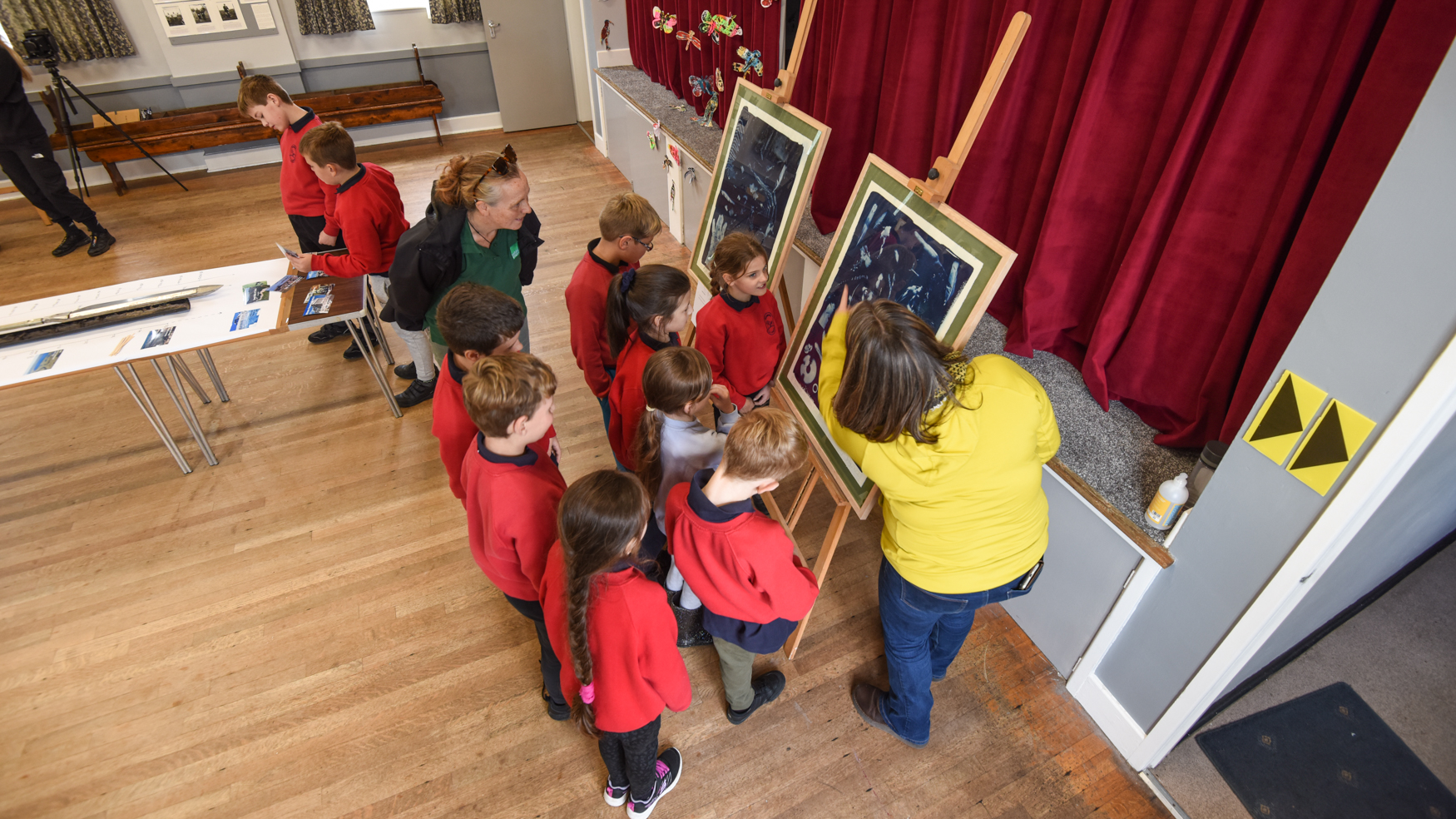
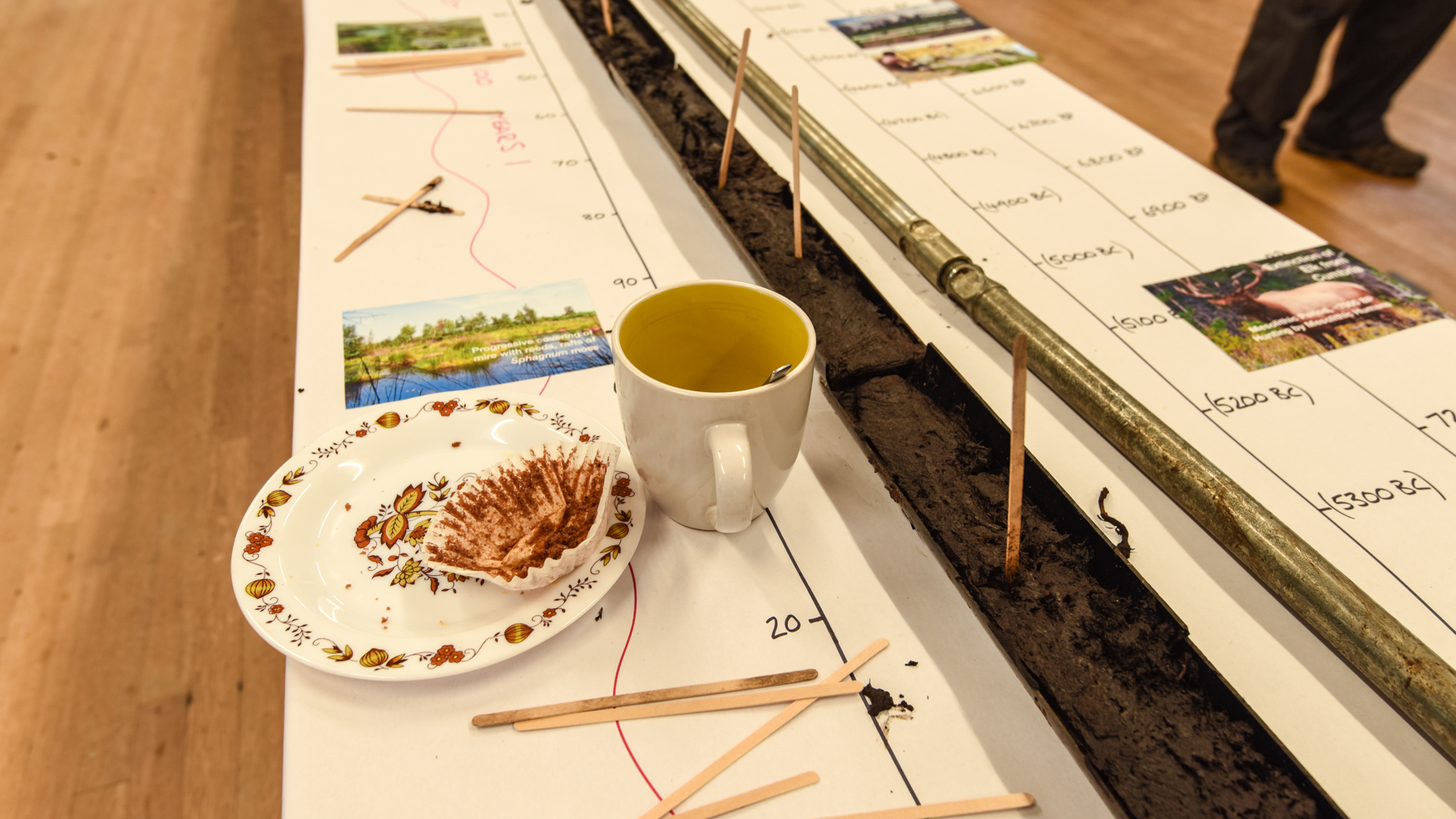
The ‘star’ of the show was the peat core, which at more than 8-metres long took pride of place. Other work on display included Helen’s beautiful map; a series of portrait images taken by Rob, to share the faces and stories of people connected with this place; artwork from Shankhill Primary School children and young people from William Howard School who have worked with Anne; information about the Moss put together by Emma; a set of poetry written by Harriet; and a drone and GPS tracking devices that the scientists have been using for their research. And Juliet’s film had its premier with back to back screenings.

As with most gatherings, the party extended into the kitchen, and around the wonderful ‘Moss of Many Layers’ cake.

The best way to tell the story is through some images of the day. A digital collection of the work that’s been produced will be coming in due course, and we’ll be sharing the film as well. Watch this space!

A cake decorated to look like Bolton Fell Moss, a recovering peat bog. The train in the foreground carried peat in the days of extraction, in the background the cake is green
Every event deserves a good cake

To find out more about the Moss of Many Layers project and the team, visit this page.

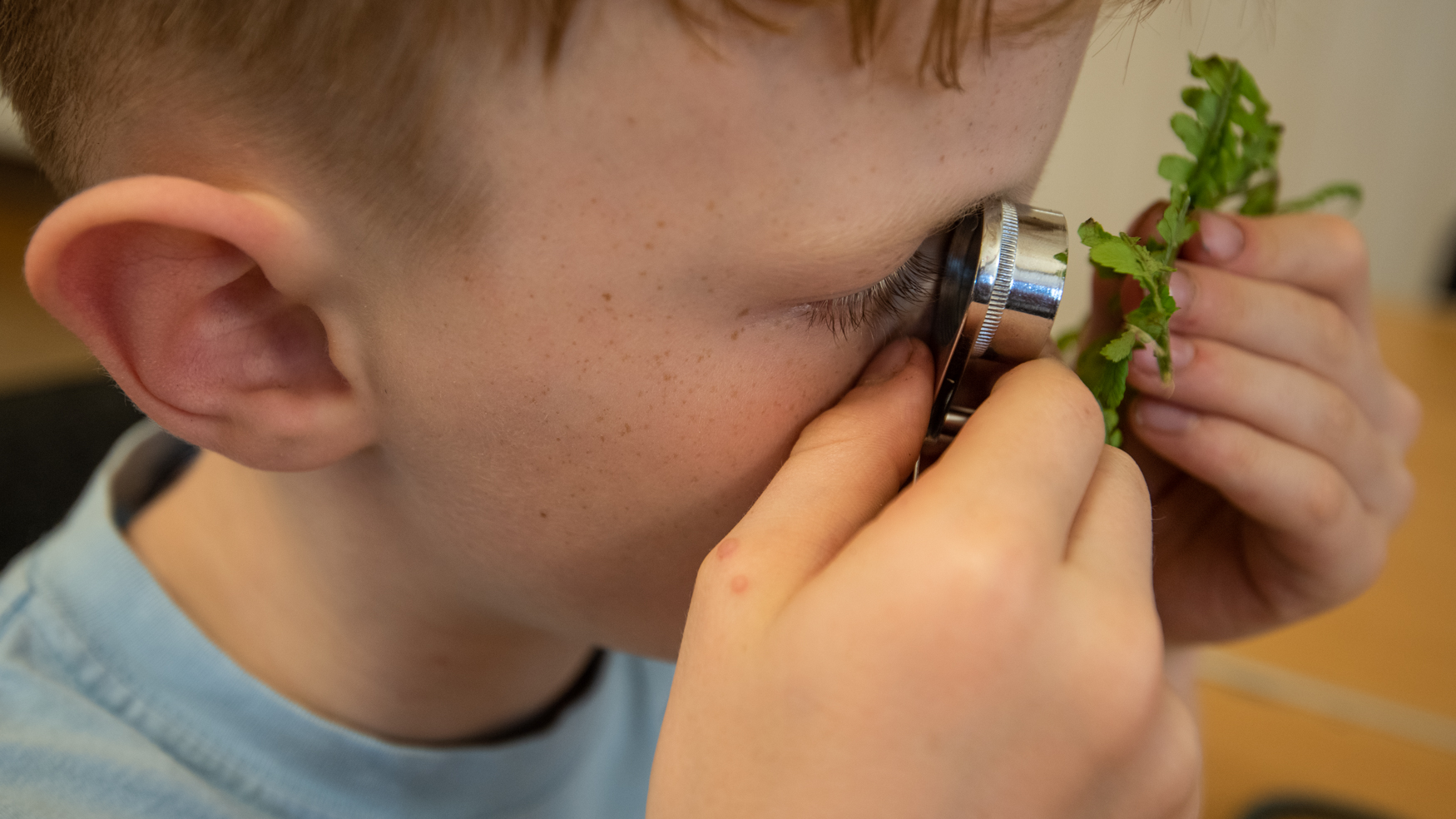
a young child looking at a fern through a magnifying lens

hand in hand

Working with young people: Reflections from Anne Waggot Knott


Let’s burrow and borrow,

hand in hand, for tomorrow.


a child's hands squidging a lump of wet peat_creditAWK

The crux of the Moss of Many Layers project has always been about facilitating a deeper connection between the community and Bolton Fell Moss, more than just visiting the bog and creating work inspired by our visits. Reflecting on our engagement with young people, I think we’ve achieved a rich and profound process of exchange and reciprocity, of sharing and balance, between the students and the bog itself. Not just sharing information and ideas, but a tangible, physical, corporeal exchange.

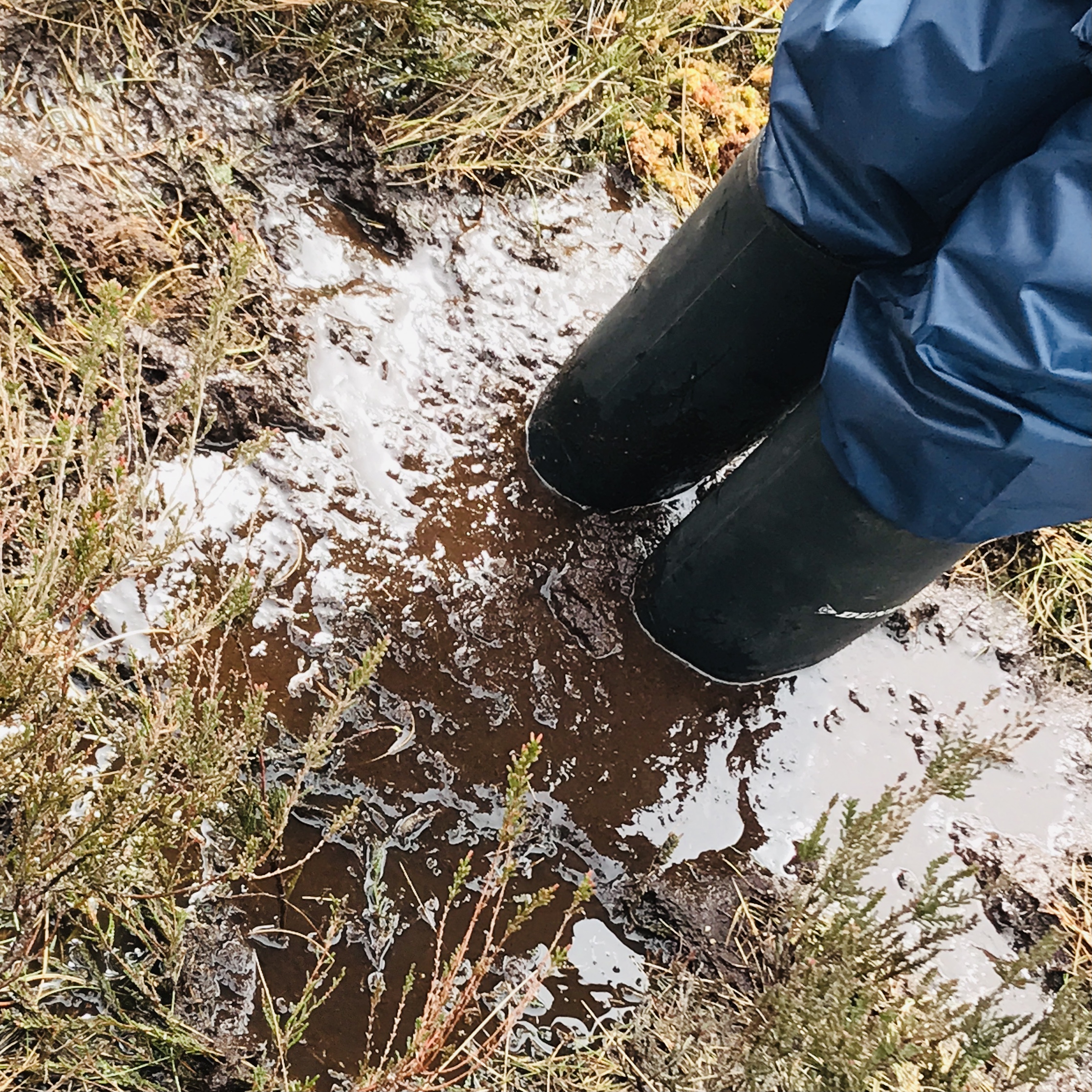
The students have contributed their time, their minds, their hands and their handiwork. They committed a level of bravery; physical and mental exposure to this unpredictable, new environment and its elements. They’ve been listening and looking and trusting and digging and pushing and probing deep into the peat itself, getting dirt behind their nails, and (literally, in some cases!) immersing themselves the bog. They planted restorative species, putting something back into the landscape, a physical symbol of their involvement.

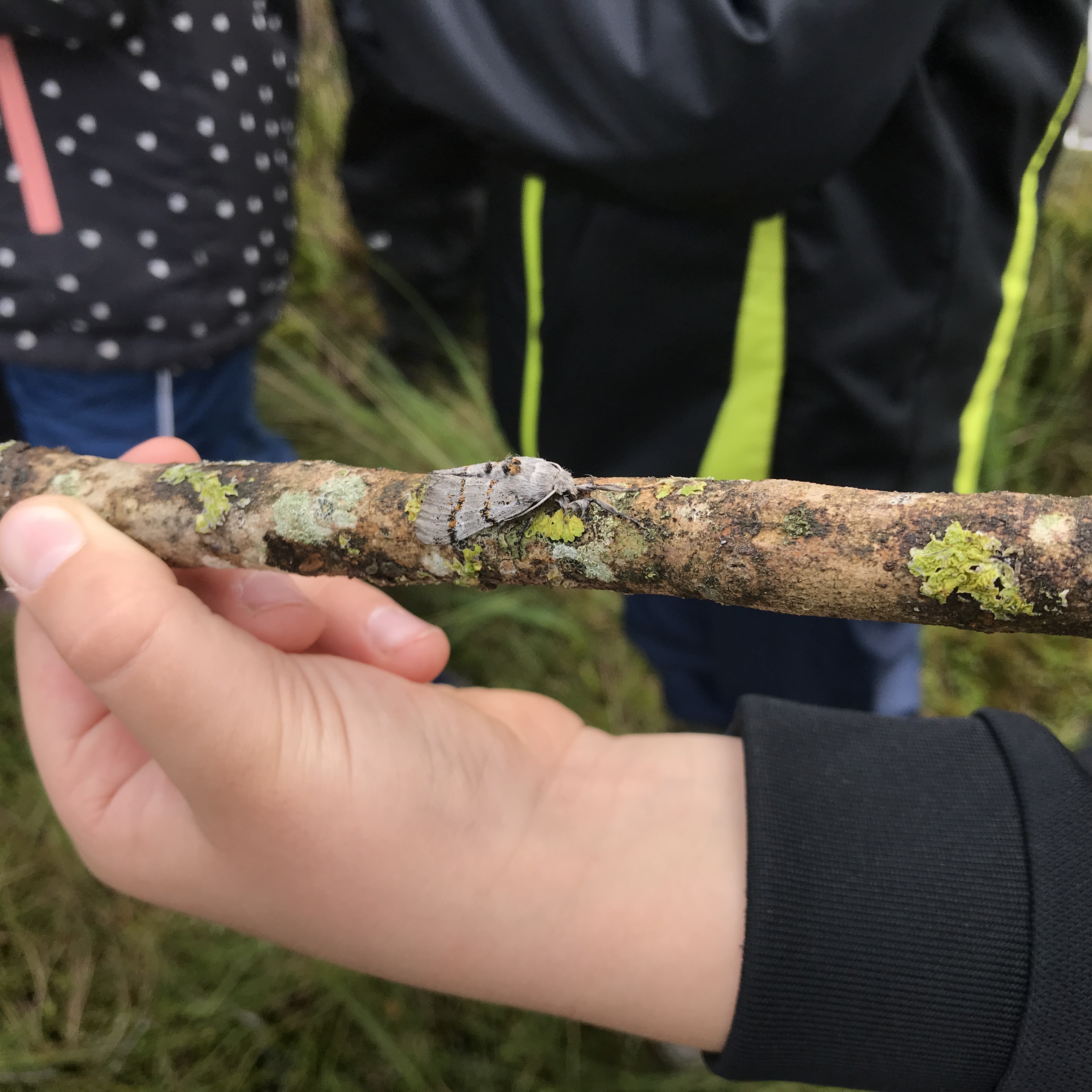
In return, Bolton Fell Moss has given back to them. As new ambassadors and stewards for this valuable place, they have watched it change through the seasons and they carry with them fresh knowledge and understanding from the land. The bog also gave up pieces of flora and fauna to take away and use in their artwork.

a young child looking at a fern through a magnifying lens

Building relationships

Foraging forces a slow, vigilant journey in the landscape. Through the careful acts of identifying, collecting, handling, protecting and transporting their finds, students developed a sense of ownership and responsibility for these tiny fragments. Their pride was evident in producing their foraged items back in the art room, examining them repeatedly and becoming familiar with the detail. This physical contact with the plantlife over a period of time, this guardianship and forensic examination, cements and reinforces a relationship, like hugging or holding hands.

Prior to industrial peat extraction, bogs were similarly part of the community as domestic sources of foraged foodstuffs. People picked berries, fungi and medicinal plants, and enjoyed a familiarity with their peat landscapes. It’s satisfying to have catalysed an intimate, tactile relationship between the bog and people once again. I like to think of the students’ work as a collective portrait of the bog, personifying and celebrating it as we would a prominent member of the family. We’ve welcomed it as part of the community again.

Letting things happen

I had very fluid expectations of these creative sessions. Although structured, I’ve assumed a broad acceptance of whatever the students and the bog bring to the table on the day. The act of making has proved fruitful as a vehicle for continued, pressure-free conversation and discussion. As we drew and stuck and printed, we’ve created so many opportunities for holistic conversations, anchored in the bog but relevant to the climate emergency and the way we use our natural resources. The students have enjoyed an opportunity to manifest their findings in a personal way, playing to their own strengths, reaching their own conclusions, and processing their experience with no judgement or assessment.

Art, science and community

I think we’ve also helped to embed the idea, early and subconsciously, that science and art don’t sit separately. And that this is a generation of connected, multidisciplinary young people who are broad, creative, confident, analytical thinkers, capable of bringing great breadth and depth to future environmental research and policymaking.

Artists and scientists work in similar ways: we research, experiment, create outcomes, disseminate and evaluate. From my perspective, Moss of Many Layers exemplifies the successful intertwining of approaches and processes, with funded time and space for experimentation. It has created a basis for triangulating art, science and community around our protected landscapes. It’s encouraging to see many more research and engagement projects take this approach as a matter of course, recognising the value of embedding artists and scientists in relationship with our natural world, hand-in-hand.

a child's hands holding the root ball of a plant
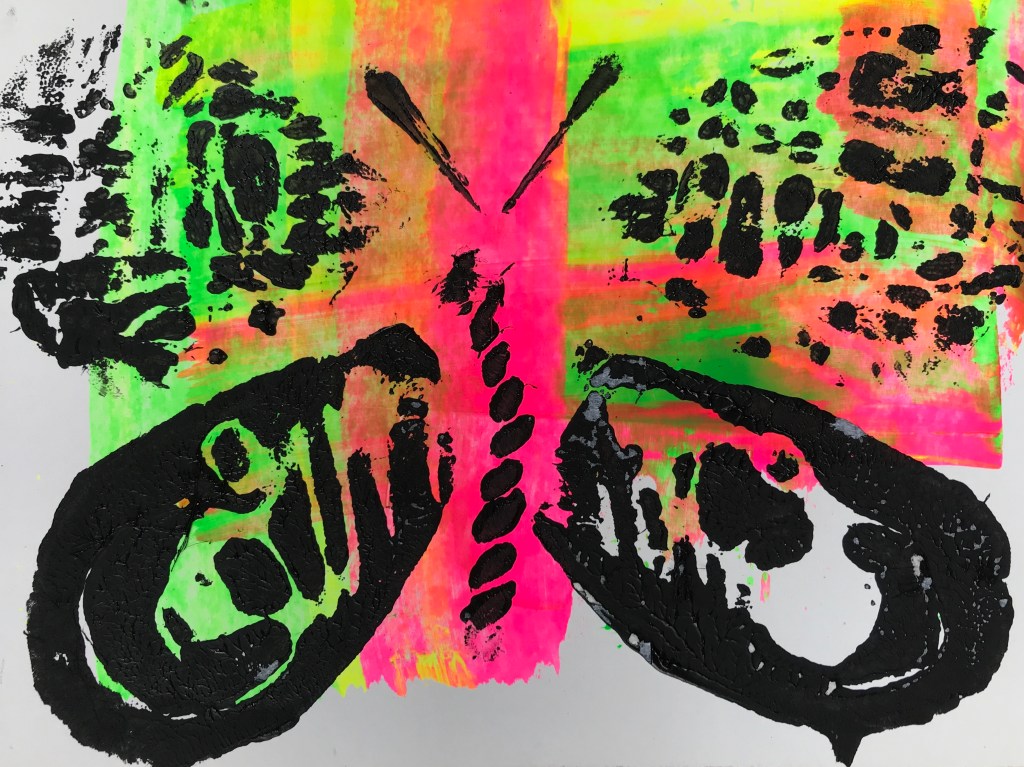
a child's bright collagraph print of a butterfly

Find out more: the NERC-funded Moss of Many Layers project.

Jack Brennand’s Moss reflections

Learning about bog life, restoration, carbon sequestration and arts-science collaborations … here’s a short film of Jack Brennand, PhD student at Cumbria University, talking about his research into bogs and peat and his experience working on the Moss of Many Layers project.