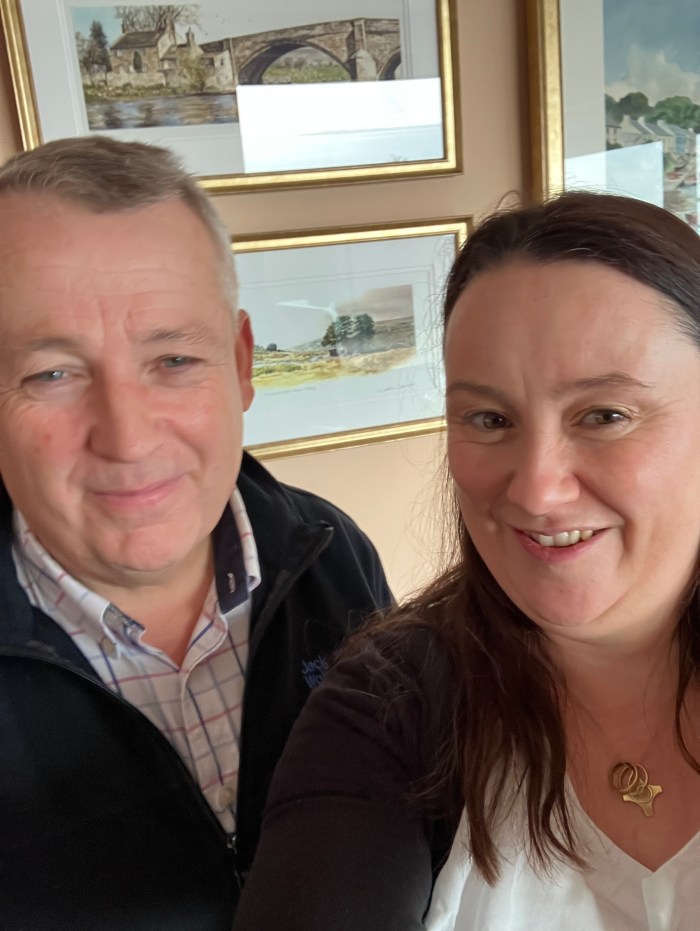
Tom Morton (Arc) and Becky Little (Rebearth) join the team of Creative Collaborative Placement artists. They will be working in Scotland, liaising initially with specialists at the James Hutton Institute, with an enquiry focused on soil.
Read on for more about the artists, and their placement focus.
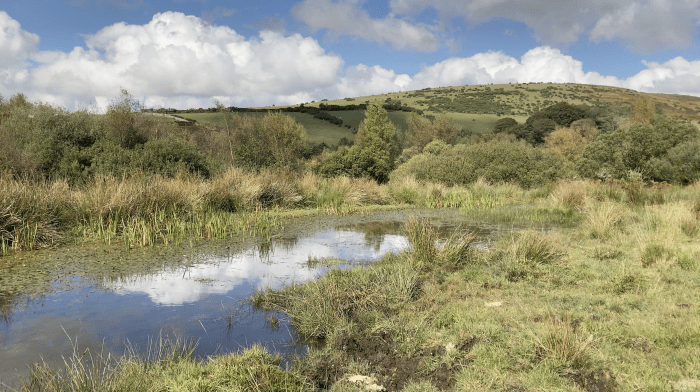
Welcome to the LUNZ Hub Creative Collaborative Placement artist in Wales: Jacqui Symons. Jacqui will begin her enquiry in conversation with a team from the Centre for Ecology and Hydrology (CEH) in Bangor.
Read on for more about Jacqui Symons and the placement focus.
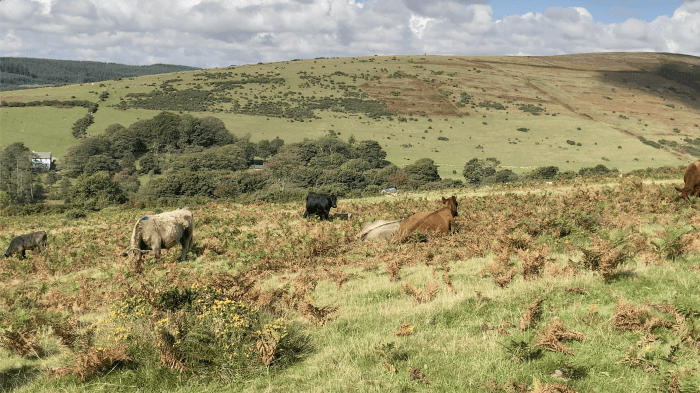
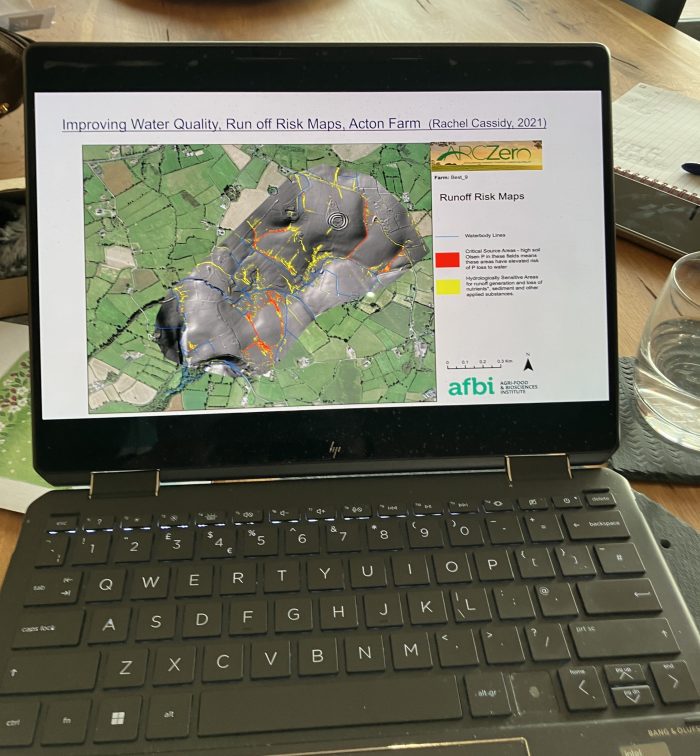
In Northern Ireland, poet Kate Caoimhe Arthur will be enquiring into Land, Livestock and Livelihoods, meeting with researchers at the Agrifood and Biosciences Institute and livestock farmers across Northern Ireland.
Read on for more about Kate Arther and the focus of this placement.
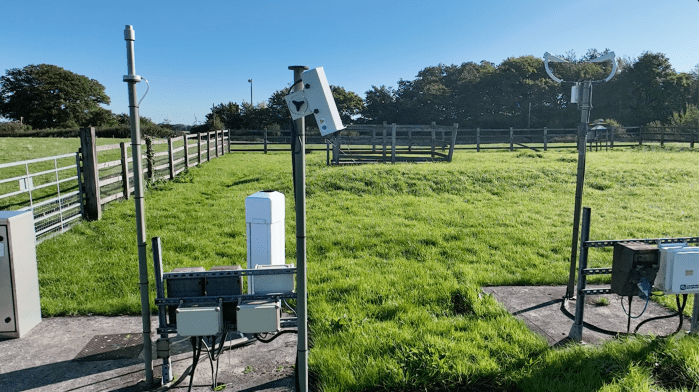
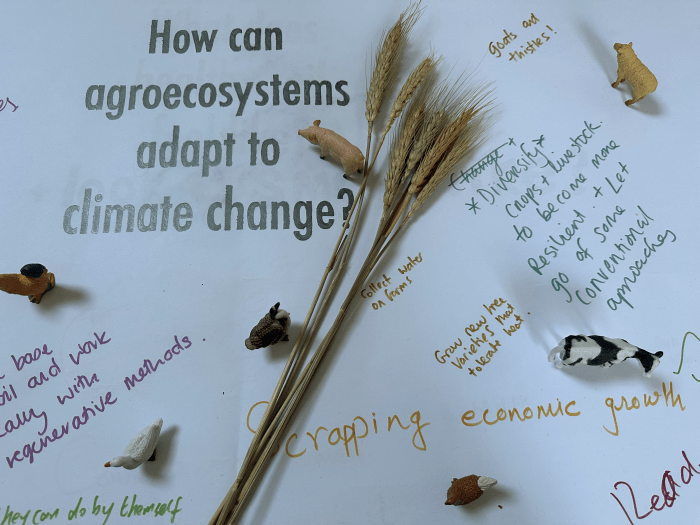
In England, the LUNZ Hub Creative Collaborative Placement artist Daksha Patel has begun her process of research with Rothamsted Research, working with an enquiry into agrosystems transition. Daksha has been liaising with Rothamsted to refine the direction of the enquiry and is underway with her research.
Read on for more about Daksha Patel, and the placement focus.
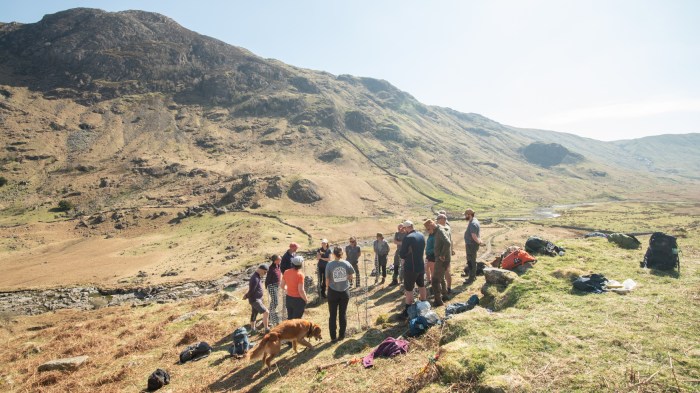
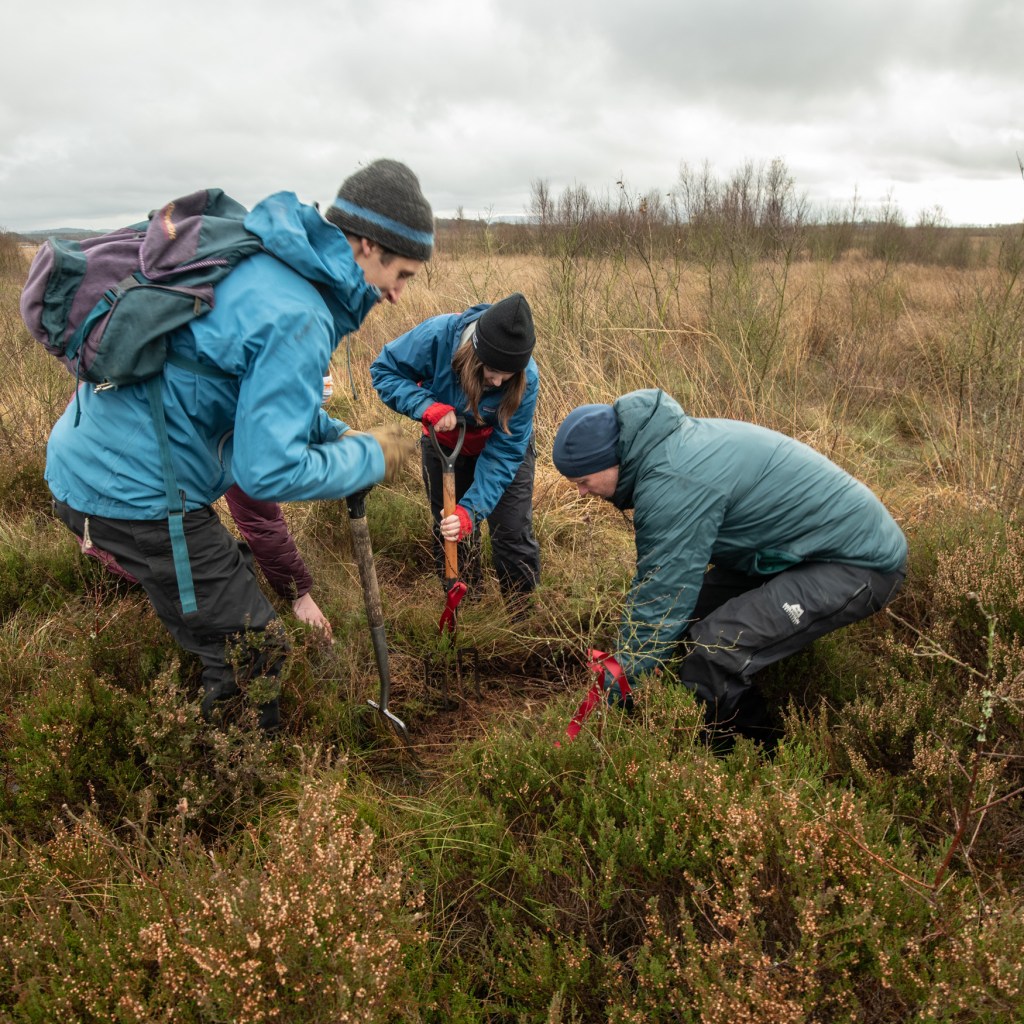
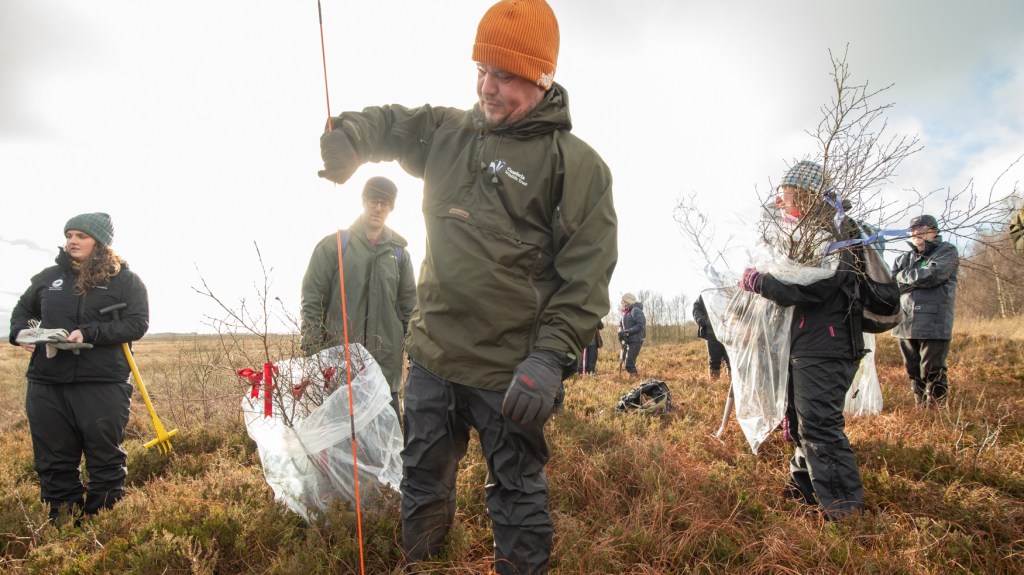
How can it take twenty people to plant seven trees? That’s a fair question, an out-loud wondering from one of the participants joining the group to plant a Resonance circle in the Langstrath Valley. And it kind of gets to the point – the act of planting a Resonance circle is not about function, speed or efficiency, but about taking time, and about connection.
Planting a Resonance circle in the Langstrath Valley
The seven trees planted on the fellside in the Langstrath valley where the last seven to go in during the year’s planting season – just enough time to get the trees into the ground before they woke from their winter slumber and began to open their leaves. Around the country, people have been planting trees maybe hundreds or thousands at a time, but for the Resonance circles, there are just seven trees. Each circle is planted with the same precise measurements: a diameter of 3.5 metres, with the seven trees set around the circumference of the circle in an equal spacing, angled 51.4 degrees from the centre.
Last autumn, geographer and green sketcher Ali Foxon joined Harriet and Rob Fraser at the LUNZ Hub event in Edinburgh. The ‘Land Use for Net Zero Nature and People’ Hub works at the interface between science, policy and practice, to support the UK in achieving Net Zero and other environmental and societal goals. This is a massive topic and a challenging task, involving many different stakeholders.
The PLACE Collective is involved as one of the LUNZ Hub consortium members (as we introduced in this blog here), working alongside other specialists within the Hub and stakeholders beyond the consortium. The Resonance project is one of the strands of work that has emerged from this – and in this blog, Ali reflects on her work within the Resonance team and shares some of the illustrations from the Big Dig Day.
Resonance and Illustrations – reflections from Ali Foxon
As an artist, geographer and founder of the green sketching movement, my practice is focused on observation and nature connection. I love opening people’s eyes to nature’s everyday beauty. That’s why I’m delighted to be participating in Resonance. The seven birch tree circles are going to become such beautiful living artworks as they establish and grow. At first glance, birch trees are quite unassuming. And yet, as you look more closely (with or without a pencil!), you soon see their striking bark, airy canopy, slender trunks, triangular leaves and spindly twigs; it’s hard to find a more elegant tree.
I believe real change depends on our hearts, not our heads. When faced with so much fear, resistance and uncertainty, we must harness hope and possibility. That’s why Resonance is so promising.
Ali in conversation in the village hall, at the Big Dig Day, November 2024
a boggy background
I’m participating in Resonance as an illustrator, albeit an illustrator with an unusually boggy background! As a young geographer, I studied peat bogs at Oxford and later I completed my PhD, funded by a consortium of UK conservation agencies, on the carbon consequences of habitat restoration and creation. I investigated the carbon impact of restoring afforested peatland among other things. LUNZ and Resonance have taken me full circle back to my boggy roots.
It’s been surreal and eye-opening tiptoeing back into an area of work I once knew so well. I’ve experienced so much deja-vu; so little seems to have changed. Obviously, we have made progress – not least the spectacular restoration of Bolton Fell Moss. Targets and ambitions have been refined. There’s much greater awareness about soil and forest carbon. And yet, we’re still bogged down in scientific uncertainty, regulatory frameworks, short-term projects, bureaucracy and lack of money; we’re still neglecting the importance of adaptation, wellbeing, social and behavioural change. This isn’t surprising. Land use change is such a hugely complex topic. But, at a time when we need rapid, urgent action, it’s hard not to conclude peat is accumulating faster than we’re making progress.
Hopefully, the LUNZ Hub’s work will speed up the process, bridging science and policy, generating the clarity and momentum necessary to accelerate change.
Yet, I believe real change depends on our hearts, not our heads. When faced with so much fear, resistance and uncertainty, we must harness hope and possibility.
That’s why Resonance is so promising. It’s already demonstrating the role nature connection and creativity can play in fostering the positive energy and conversations we need to collaborate and tackle the complex challenges of land use change together. I can’t wait to watch the magic and momentum of Resonance ripple across Cumbria and beyond in 2025. As for me, I’m looking forward to doodling more birch leaves, visioning beautiful futures and helping world-weary, nature leaders strengthen their creative resilience.
navigating challenges
For me, the beauty of Resonance, especially from a geographer’s perspective, is how the project’s heart and positivity extend through time and space, connecting so many different people and places. Resonance is drawing much-needed attention to peatland restoration, upland land use and the implications and challenges of meeting NetZero. But it’s also highlighting the immense value – intellectually and emotionally – of gathering outdoors, in-person, off our screens. As we navigate the challenging decisions that lie ahead, I hope the Resonance circles become treasured focal points for nature connection, symbols of care and gentle reminders that land use change can be positive, collaborative and beautiful.
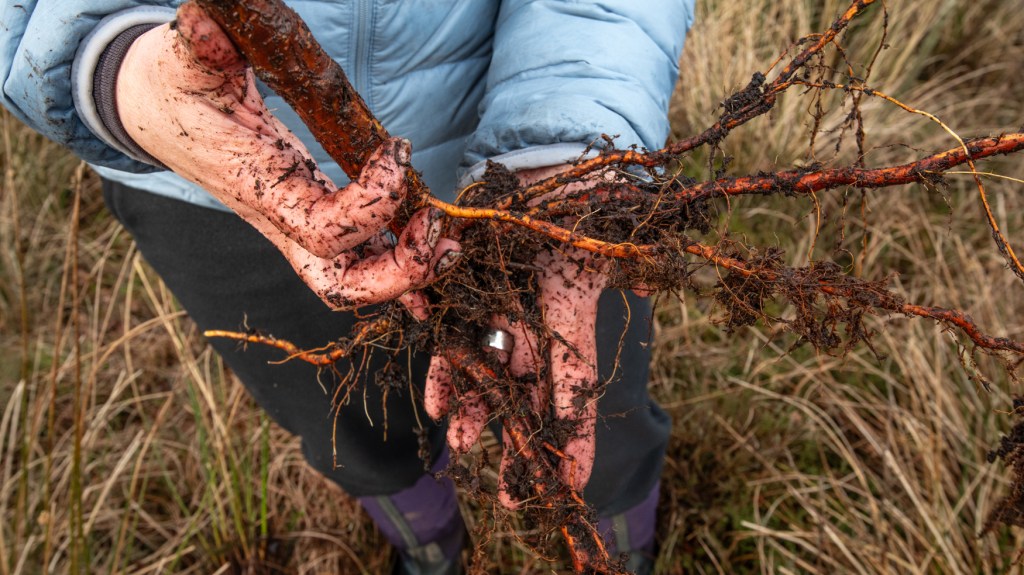
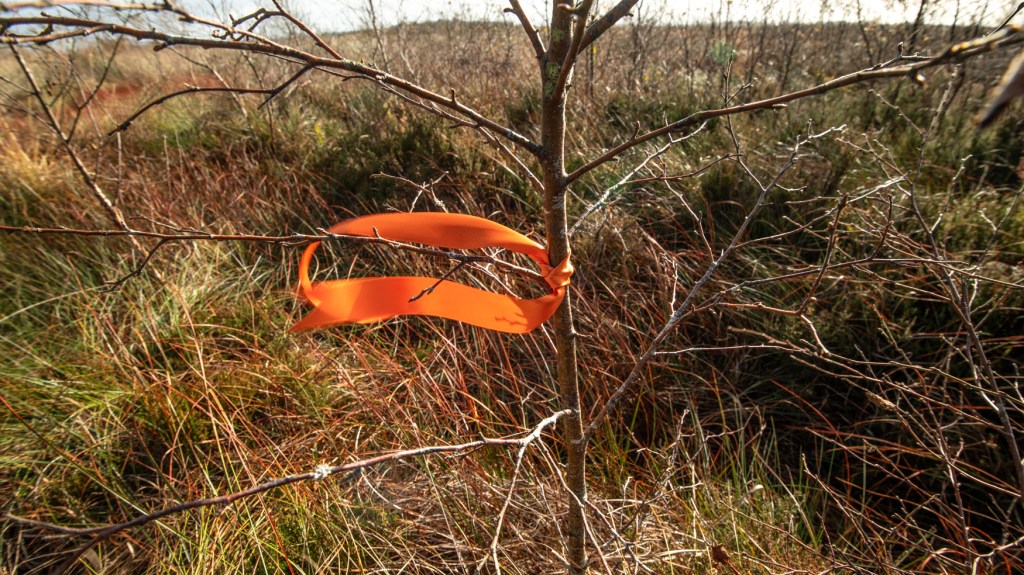
Since last November, the Resonance project has been moving on. It revolves around 49 silver birch trees, which have been collected from Bolton Fell Moss peat bog that’s in a process of restoration, and are being planted out in seven tight circles, each of seven trees, across the Lake District National Park.
This is part of the PLACE Collective’s work through the UK-wide Land Use for Net Zero, Nature and People Hub – or LUNZ HUb for short. Working within the LUNZ Hub team, we’re convening opportunities for people from across practice, research and policy to get together, share learning, and focus on actions; all part of a just transition in a time when changes in land management need to be big, and at scale, to mitigate impacts of climate change, nurture recovery of biodiversity and ecosystems, and embed resilience and natural regeneration in UK land use.
Head over to the project page for Resonance to find out more, and watch for updates – there are reflections on the Big Dig Day here, and a reflection on the key take outs from that event on the LUNZ Hub website.
What might farmers and other land users and land managers do in the quest to reduce greenhouse gas emissions and increase their sequestration of carbon? This is a pressing question. It’s nested within many actions spanning policy, practice, supply chains and consumer choices that will be required for the UK’s land use sector – and there certainly isn’t a one-size-fits-all answer. One of the many groups that is looking at this challenge is the Land Use for Net Zero, Nature and People (LUNZ) Hub – and recent films have been created as part of the PLACE Collective’s involvement with the LUNZ Hub consortium.
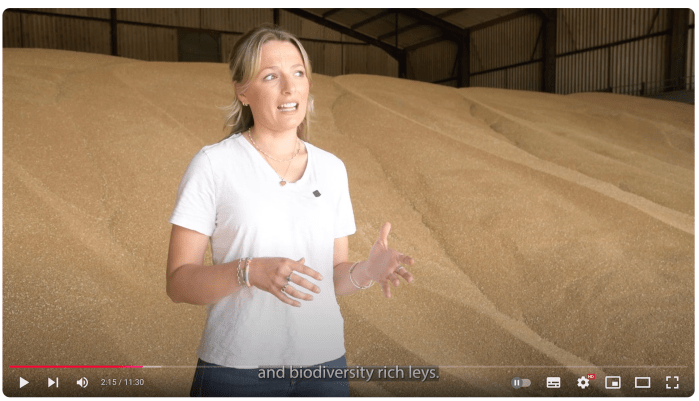
“There’s the stereotype that farmers are old boys with their trousers tied up with baler twine, but actually that’s not really the agricultural industry we’re seeing anymore. I think for young people it’s starting to look a really exciting place, and something that you want to get involved with.”
Martha Hayes, farmer, Lincolnshire
What land use change is needed … and how do we get there?
To kickstart discussions at the recent LUNZ Hub ‘Big Tent’ event in Edinburgh, where almost 100 people from practice, research and policy met to discuss challenges and opportunities around land use change, Rob Fraser created two short films. The films demonstrate a diversity of land use, land types, governance and policy in the four nations, and share some passionate calls to action from seven individuals.
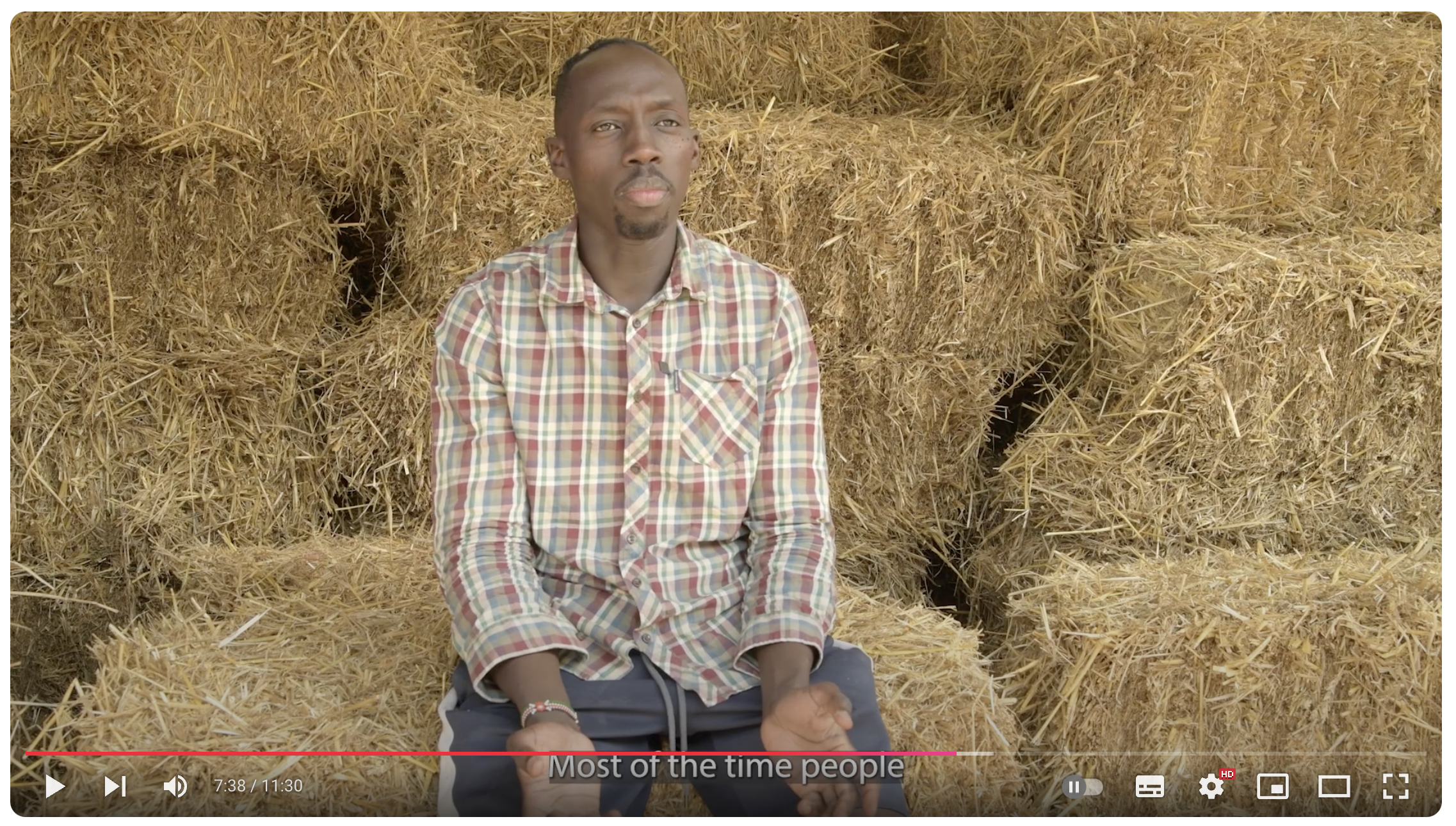
The film-making journey took Rob around the UK, with Harriet Fraser (also from the PLACE Collective) conducting the interviews – asking each person the same set of questions.
The reason for optimism is that the changes that are necessary are actually positive: positive for the farming businesses and positive for the world in which we live.
Andrew Barbour, famer
The Frasers went to the flat lands of Lincolnshire, where they met arable and beef farmer Martha Hayes; and to windswept peatlands and intimate valleys of Wales, to meet hill farmer Lisa Roberts. They spent time among rolling fields of Northern Ireland, where they met dairy farmer Hugh Harbison; and visited the small mixed farm of Flavian Obiero in southern England. In Scotland, the Frasers visited Andrew Barbour on his organic hill farm, which embraces woodlands, moorland and mixed-use land; they wandered through old and new woodlands with Balbeg Estate owner Andrew Sinclair; and chatted among cucumbers and tomatoes on an Edinburgh city farm with Land Workers Alliance Scotland Policy and Campaigns Coordinator Tara Wight.
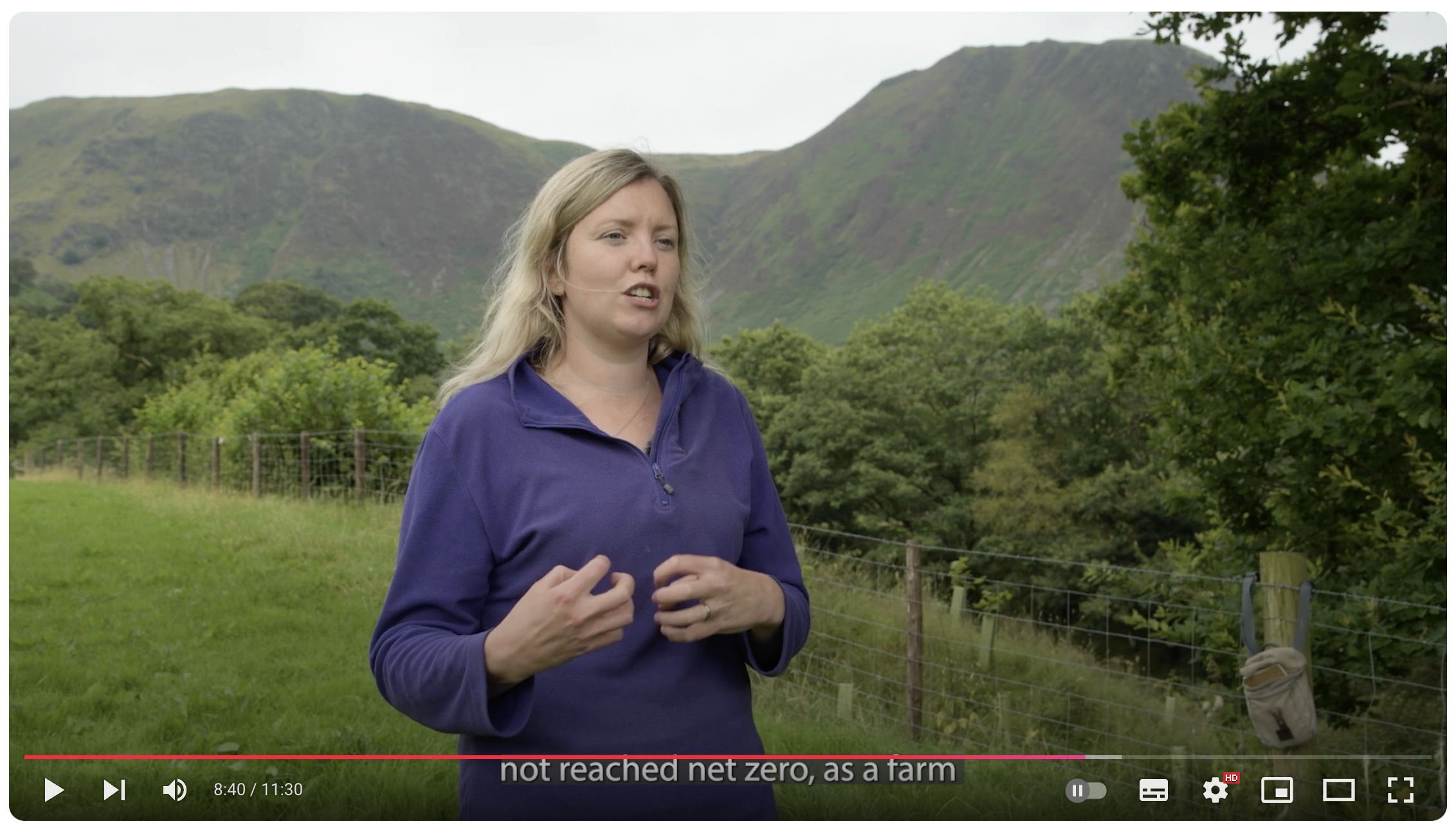
“This is maybe not what you want to hear, but it’s not really financially worthwhile for us to go down the road of trying to get to net zero…. nobody’s going to pay us to be net zero. People pay us to produce really good quality milk.”
The films reveal different views about change, opportunities and challenges: and many commonalities too, including experiences of unpredictable, volatile weather and uncertainty around policies and markets. They share calls for more joined-up thinking among decision-makers, greater recognition of effective low-tech solutions, reform in land ownership, more trust in farmers, food sovereignty, and greater clarity about ‘net zero’ as well as carbon auditing and soil testing – among other things.
The interviewees discuss experiences of positive measures, including using Lidar scanning and soil testing to better understand a farm’s ability to store carbon, planting hedges and trees, changing grazing patterns and supporting resilient communities – and an enthusiasm for increasing understanding, skills and community efforts that can help in the move towards net zero.
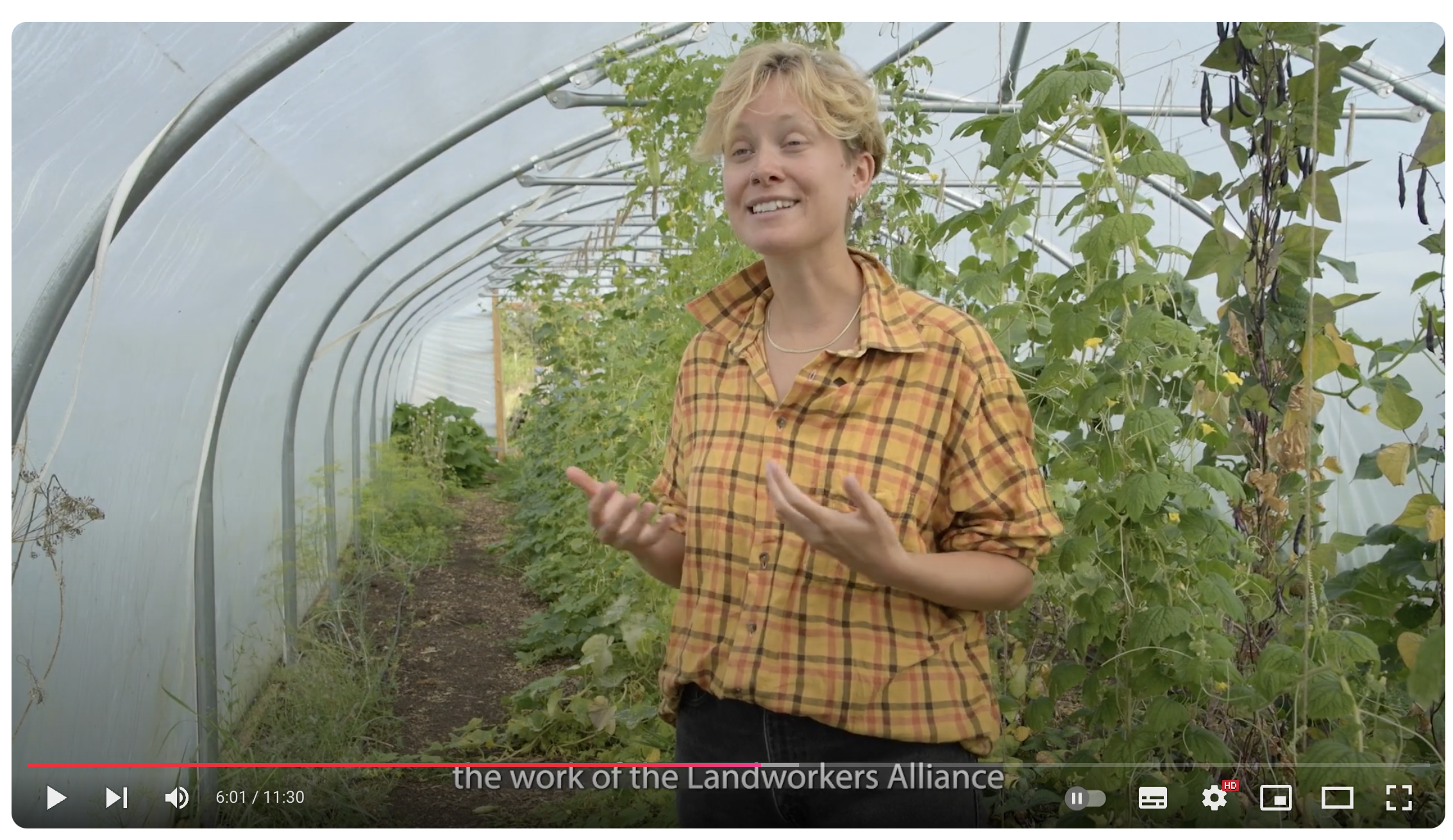
“One of the things that brings me joy through working with the Landworkers Alliance is getting to see the work that our members are doing. They are literally growing beautiful things, producing delicious food, creating amazing habitats.”
Tara Wight, Scotland Policy and Campaigns Coordinator and Research Coordinator, Landworkers Alliance
Tara Wight
“It’s a challenge to select short excerpts from seven incredibly rich conversations,” says Rob. “And of course the conversations during each visit extended beyond the formal interview. I’ve tried to include the wider context by sharing footage from each person’s location. Everyone has been extremely generous with their time – there’s no better way to learn about a patch of land than to walk it with someone who knows it well, cares for it, and has a vision for its future.”
Favian Obiero
Climate, nature and people: together
The pressure is on for the Land Use sector to build on existing good practice and scale up transformative changes to contribute to the UK’s target of reaching net zero by 2050. But the focus is not exclusively on carbon or net zero. The voices in the films show that carbon sequestration is in an inseparable relationship with nature and people: and there’s emphasis that actions to reduce greenhouse gas emissions and increase sequestration need to be integrated with actions that improve habitats and connectivity in the landscape for wildlife to thrive, and will also support land use businesses, not just for the provision of food but also as foundations for rural communities.
“When you’re trying to get to net zero, you can’t do it in little silos. You can’t just look at farming, you’ve got to look at the whole food system. You’ve got to look at what the land can produce and therefore what should be supported in a sustainable fashion … You should stop trying to produce foods that are damaging to the world that we live in – simple as that. And just because it can be done, doesn’t mean that it should be done.”
Andrew Barbour, Fincastle, Scotland
Andrew Sinclair
The two films aim to highlight experiences of change among land users and provoke further discussions about finding ways forwards that are positive for nature, people, and the target of net zero. Their first showing at the Edinburgh event did just this; following on from a speech by Professor Mathew Williams, Chief Scientific Adviser (CSA) Environment, Natural Resources and Agriculture for Scottish Government outlining the link between science and policy, the views shared in these films spurred on some lively conversations in breakout sessions.
There’s an ambition to create more films to bring in a wider range perspectives, to feature other land managers, specialists in conservation and forestry, scientists, community movers and shakers, and those involved in shaping governance and policy. Watch this space!
Andrew Barbour
The PLACE Collective and the LUNZ Hub
The PLACE Collective is one of the consortium members of the UK-wide Land Use for Net Zero, Nature and People Hub (or LUNZ Hub for short) – an innovative research initiative whose focus is to bring people together and help drive the transformation of UK land use needed to achieve net zero by 2050. It aims to equip UK policy-makers, industry, civil society and communities with the evidence they need to drive transformational change in land use – and understand and present pathways of change, so that it’s not just about theory, but about practice.
Over the next few years, in collaboration with other members of the hub, PLACE Collective artists will be devising and delivering a suite of creative practices, interventions and presentations, to suit specific purposes, and, importantly, to open up questions and challenge preconceptions.
Huge thanks to the seven people who generously shared time with us and showed us around their places; and to the team in Wales who helped with accurate translations.
Andrew Sinclair, owner, Belbeg Estate, Ayrshire, Scotland
Martha Hayes, arable farmer, Lincolnshire, England