Keeping the “-ing” in Extending Ecology

Guest Blog from Rita Leduc

Artist Rita Leduc has been co-imaging and co-creating with other humans and with a forest for some time now. In this blog, she reflects on the intersection – and coexistence of intelligences – and how her practice continues to ask questions. Including but not limited to, how can we be guided by the natural world, and how can we treat our work as something that’s constantly unfolding, not something that focuses on endings?

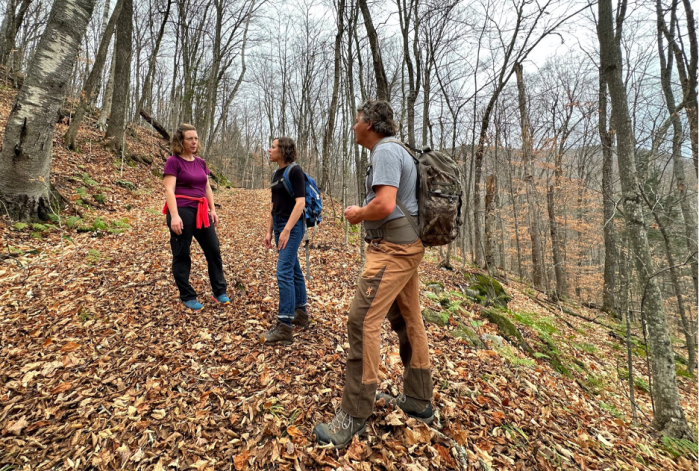
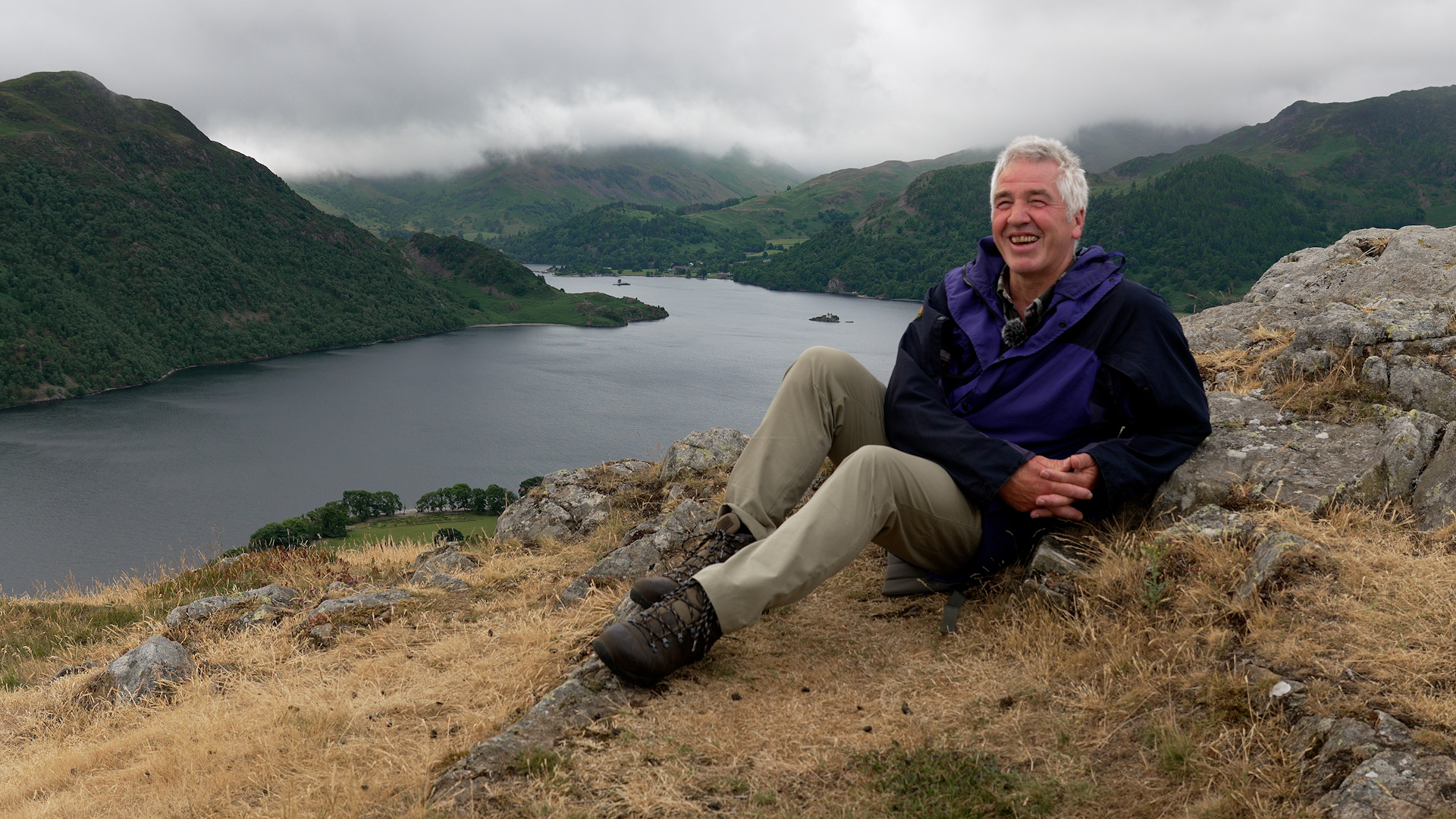
Rita Leduc and Dr. Rich Blundell in Hubbard Brook Experimental Forest (White Mountains, NH)

Keeping the “-ing” in Extending Ecology, by Rita Leduc

“The nature of nature is that it’s dynamic and relational. It doesn’t stop nor end, and it does not follow a linear trajectory. 

The Oika project, Extending Ecology, is an ongoing collaboration between an ecologist (Dr. Rich Blundell), an artist (myself), and a forest (Hubbard Brook Experimental Forest). The methodology of our project is for the ecologist and artist to share their individual ways of understanding with each other and the forest through the lens of Oika: a philosophy of ecological intelligence. This philosophy includes concepts and practices that span science, deep natural history, creativity, and contemplation. The intention of the project is for the humans to function as emissaries of the forest, activating their own rigorous, multimodal participation to acutely absorb and prudently extend nature’s intelligence into culture. 

The intention of the project is for the humans to function as emissaries of the forest …

Rita, Rich, and Hubbard Brook

Six months into this project, curator Meghan Doherty approached us to have an exhibition at the Museum of the White Mountains at Plymouth State University. Throughout the following eighteen months, the three of us had countless sessions to determine how this exhibition could hold, and be an extension of, the living, unfolding project – which is a direct extension of the living, unfolding forest.

Simultaneously nurturing the project’s development with the exhibition’s development required us to be on our most ecological behavior. We managed it with sensitivity and fluidity, allowing the exhibition to form within the context of the project…which, as stated, forms within the context of the forest. So as long as we could establish and maintain that continuity authentically, the forest would design the exhibition. And without diminishing the heroic efforts of human team members, being designed by the forest is actually exactly how I would describe the way in which this exhibition came about.

Curator Dr. Meghan Doherty with Rita and Rich in Hubbard Brook Experimental Forest

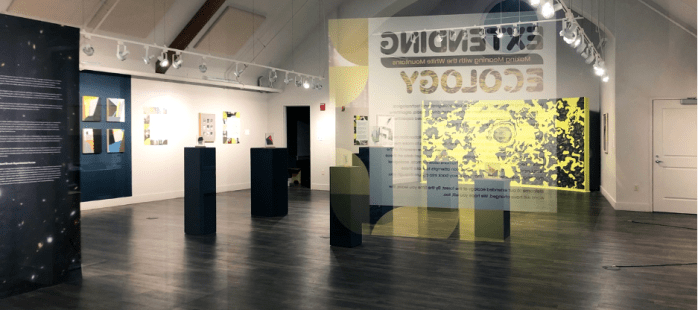
“Extending Ecology: Making Meaning with the White Mountains” opened at the Museum of the White Mountains on October 7, 2023. It was a celebratory moment, but as we paused to honor this achievement, I felt the not-so-subtle elevation of an ever-present consideration. If Extending Ecology is going to remain continuous with nature, then like nature it must remain dynamic and ongoing. Unlike many exhibitions, this one is not presenting a culmination but rather an ongoing sharing-thus-far. So, the project’s dynamism rose to the fore: as we present the project-thus-far to the public, how do we keep the exhibition from feeling like the project’s conclusion? How do we keep the project living and unfolding, like the nature from which it came? How do we keep the “-ing” in extending? It’s a question I’ve granted myself the duration of the exhibition to deliberate.

If Extending Ecology is going to remain continuous with nature, then like nature it must remain dynamic and ongoing.

“Extending Ecology: Making Meaning with the White Mountains,” exhibition documentation from The Museum of the White Mountains, Plymouth New Hampshire

Now halfway through the run of the show, my sense is that the above consideration is the same challenge as the exhibition but in reverse. Instead of taking a living thing and putting our fingers on it just enough to open a cohesive exhibition, we need to lift our fingers just enough to let it breathe, evolve, extend. So, much like navigating the forest without a trail, we have spent the last month looking up, scanning the landscape, and sensing the direction toward which the project wants to continue. Furthermore, we are trusting that sense, feeding it, and allowing it to feed us.

Feed us it is. Multiple directions have emerged, all brimming with possibility. There is a feeling of not just extension but motion. Extending and moving, all while necessarily remaining studiously (and joyfully) tethered to our firsthand relationships with this particular forest.
So what’s my point here, why is this worth examining? I believe this question is more than just an interesting challenge in an outcome-oriented world. Rather, I believe it is a challenge we should be taking on more often, in all spaces and across all scales. At the innermost core of my being is an impulse to participate with the living world. Not with the surface-level stuff slathered on top but rather with what Oika refers to as the creative life force from which we all come and are all made. Extending Ecology is a case study in Oika’s thesis that if we sincerely, deeply allow ourselves to be guided by nature, it will teach us how to cultivate life.

… if we sincerely, deeply allow ourselves to be guided by nature, it will teach us how to cultivate life.

There is ending and there is extending. One is narrow, determinate and final. The other is boundless, adaptive, and vivacious. In this moment of social, ecological, and technological precipice, honing the wisdom to feel the difference and choose the latter is well worth our time.”

Documentation of Extending Ecology extensions (Gallery talks and Oika Art+Science Leadership workshops at Hubbard Brook Experimental Forest and Clark Reservation)

For more about Rita, visit Rita’s PLACE Collective Profile here, and follow links to her website.

You may also be interested in reading this piece: Rita in conversation, with Canvas Rebel.

Monitoring the bog : Carbon dioxide and methane measurements

Listen in :

Simon Carr talks to Harriet Fraser about monitoring greenhouse gases at Bolton Fell Moss .. carbon, climate and the living, breathing bog

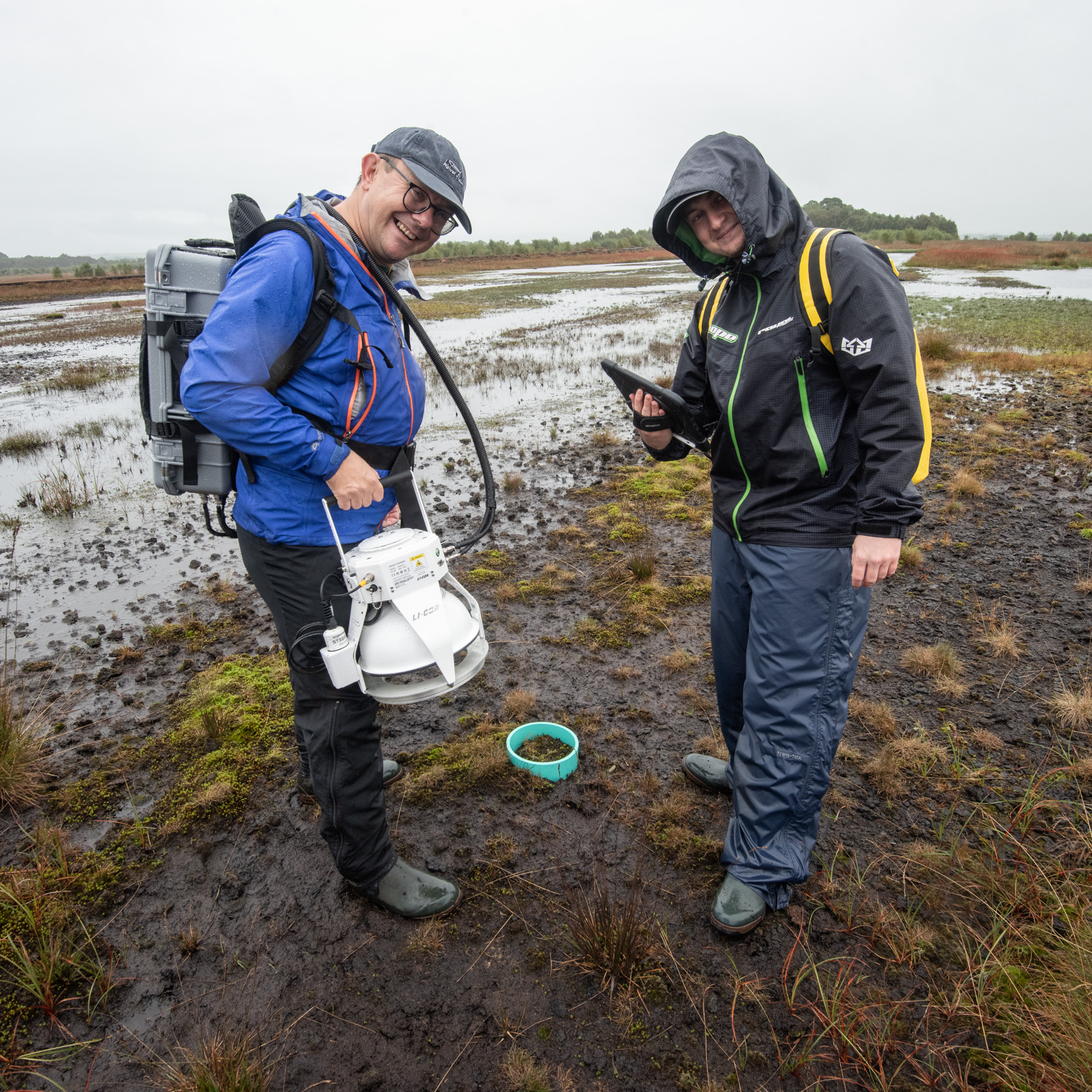
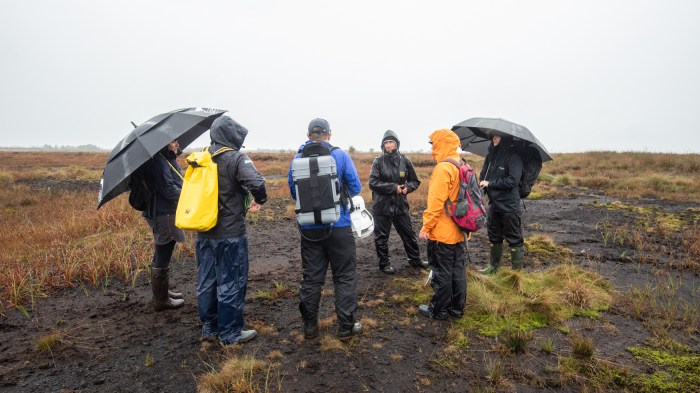
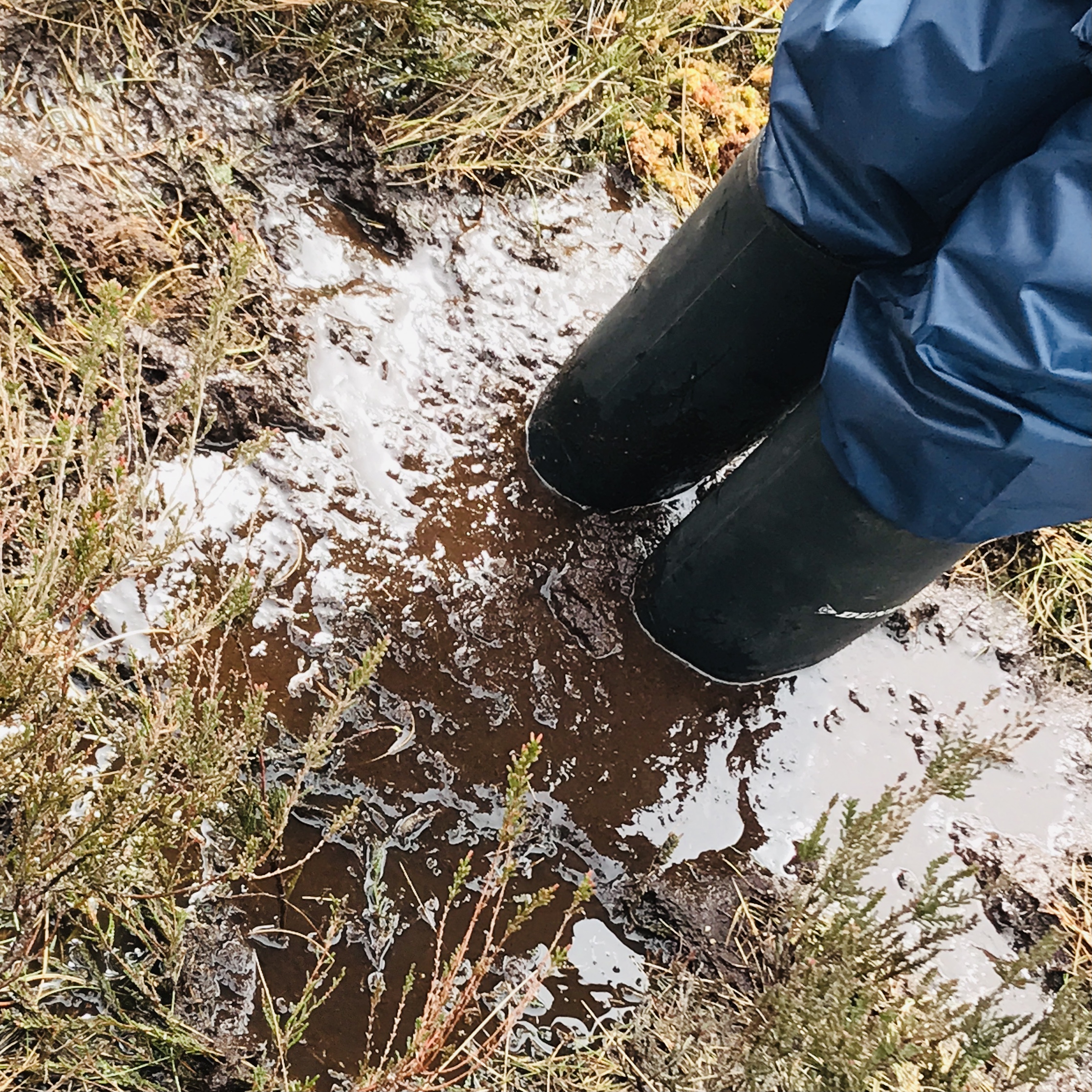
The bog is wide and grey, the rain is slashing down, and we’re all dressed in wellies and full waterproofs. We have umbrellas too – useful to protect camera equipment, and give a little shelter to Simon and Jack as they bend down and get busy with their tools to measure emissions of carbon dioxide and methane. Understanding how much of these gases the bog is emitting, and how more is held over time, is a critical part of the restoration work.

Two men in raincoats stand on a wet bog and look at the camera; the man on the left holds a white object, which is a monitor he will use to measure carbon dioxide and methane emissions

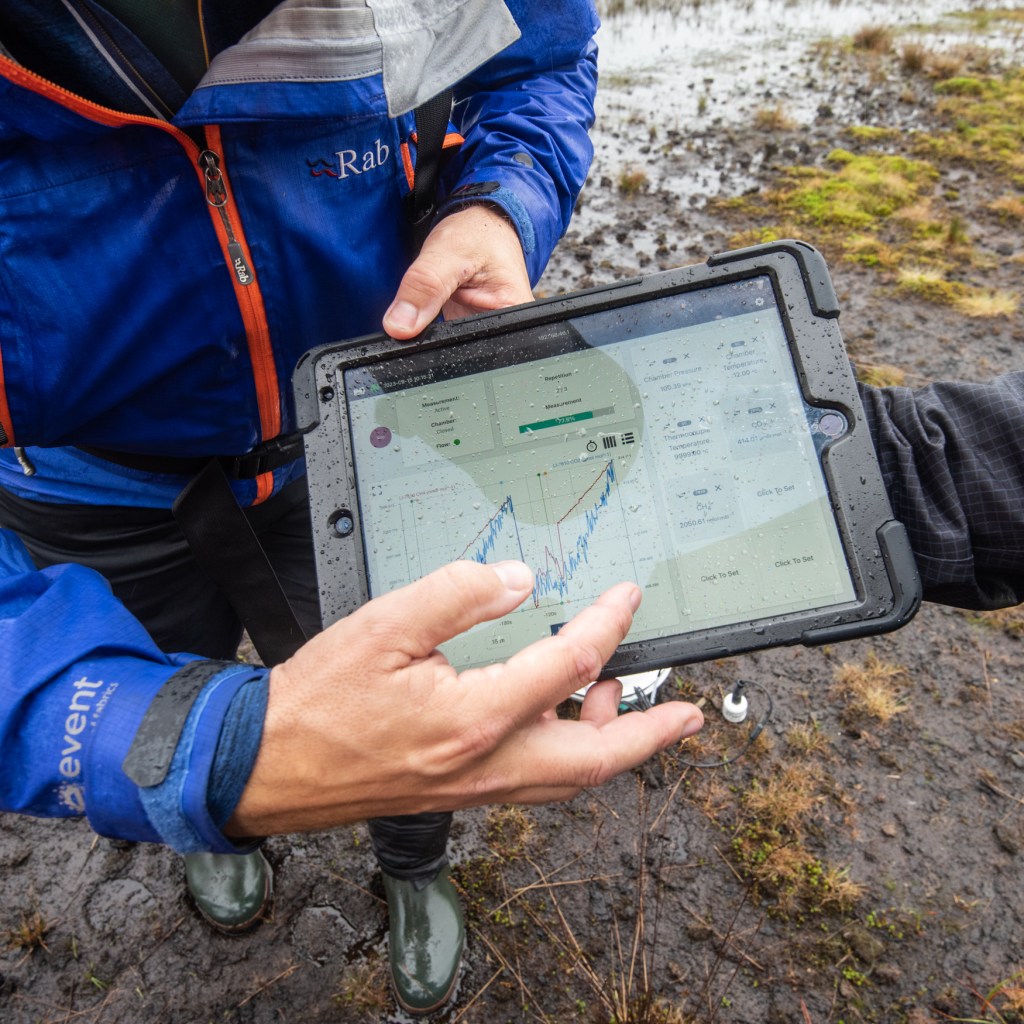
In this recording, Simon reflects on the current levels of greenhouse gases in the atmosphere, introduces the carbon flux monitor, and explains what he hopes to learn from monitoring the bog. Every month, he and Jack visit ten monitoring sites spread across this vast bog; and they walk 10km in the process. The white carbon flux monitor, which is aesthetically beautiful and almost personal, is continually taking in gases, and periodically it lets out a ‘burp’, which you can hear on the recording.

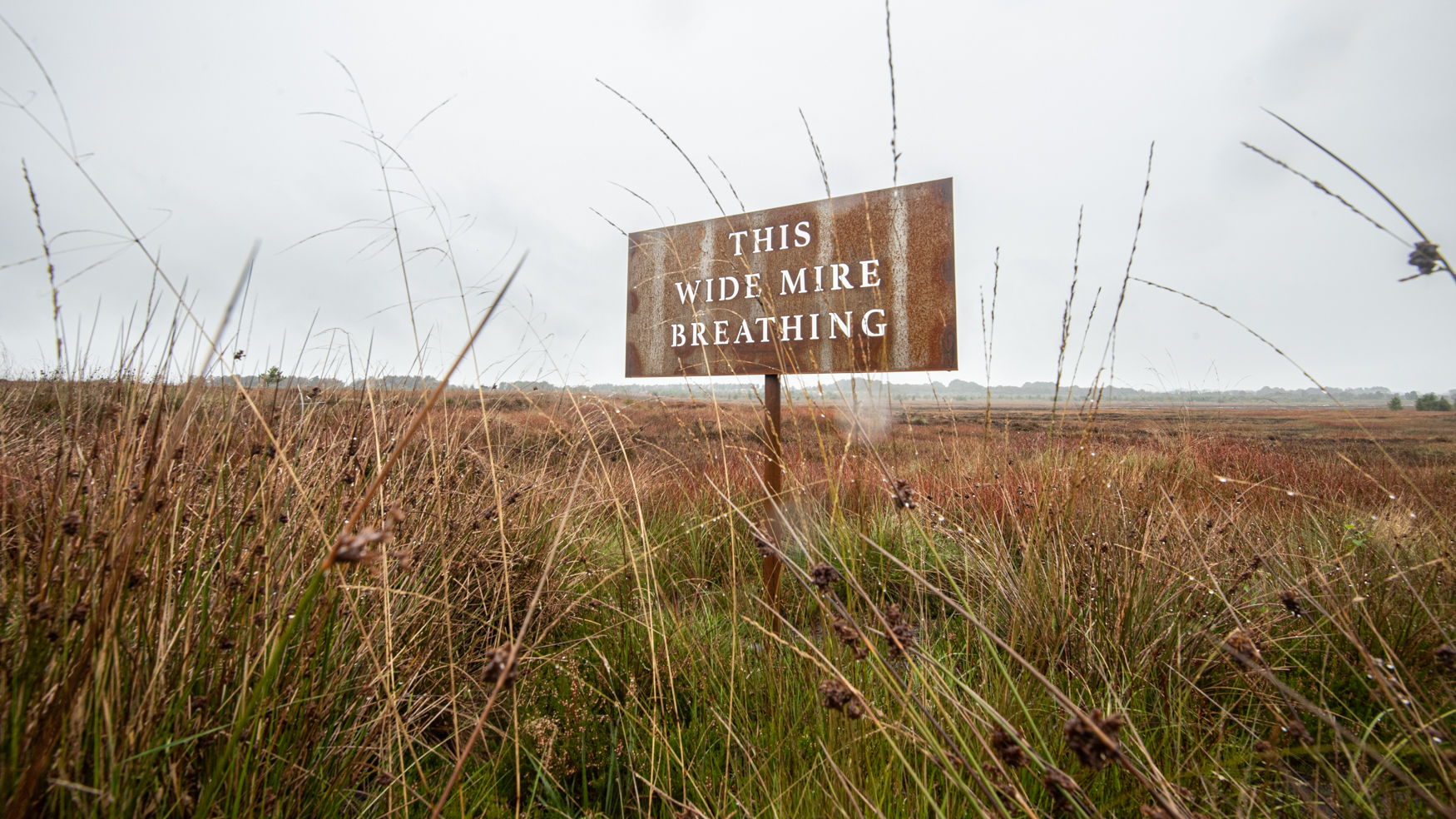
A metal sign set among grasses with a white sky behind. The sign reads 'This Wide Mire Breathing'
This Wide Mire Breathing – one of seven signs that complete a poem (Harriet Fraser)
A group of people sit beneath trees; one man is standing
Lunch and a Moss of Many Layers meeting (almost) out of the rain

Find out more about the Moss of Many Layers project here.


A series of coloured circles and writing arranged over a map of watercourses and named 'ALL THESE TRUTHS OVERLAP'

watershed exhibition catalogue

An exhibition comes to life when it’s installed, provoking conversations and offering food for thought. But that can’t go on forever. And the Watershed exhibition was a ‘pop-up’, in place for only a few days. So for those who didn’t catch it we’ve created a catalogue that you can view online or download as a PDF.

Head over to the Exhibition Catalogue page to access the PDF and discover the work of the five artists who took part in Watershed: Kate Gilman Brundrett, Harriet Fraser, Rob Fraser, Matt Sharman and Sarah Smout.


A blonde woman looks at the camera

Tethera Tan Yan – music in the watershed

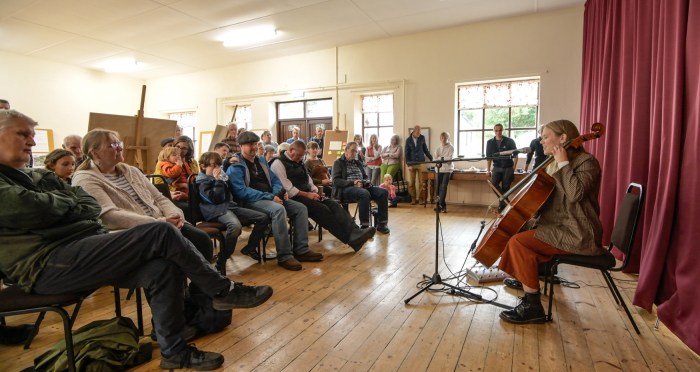
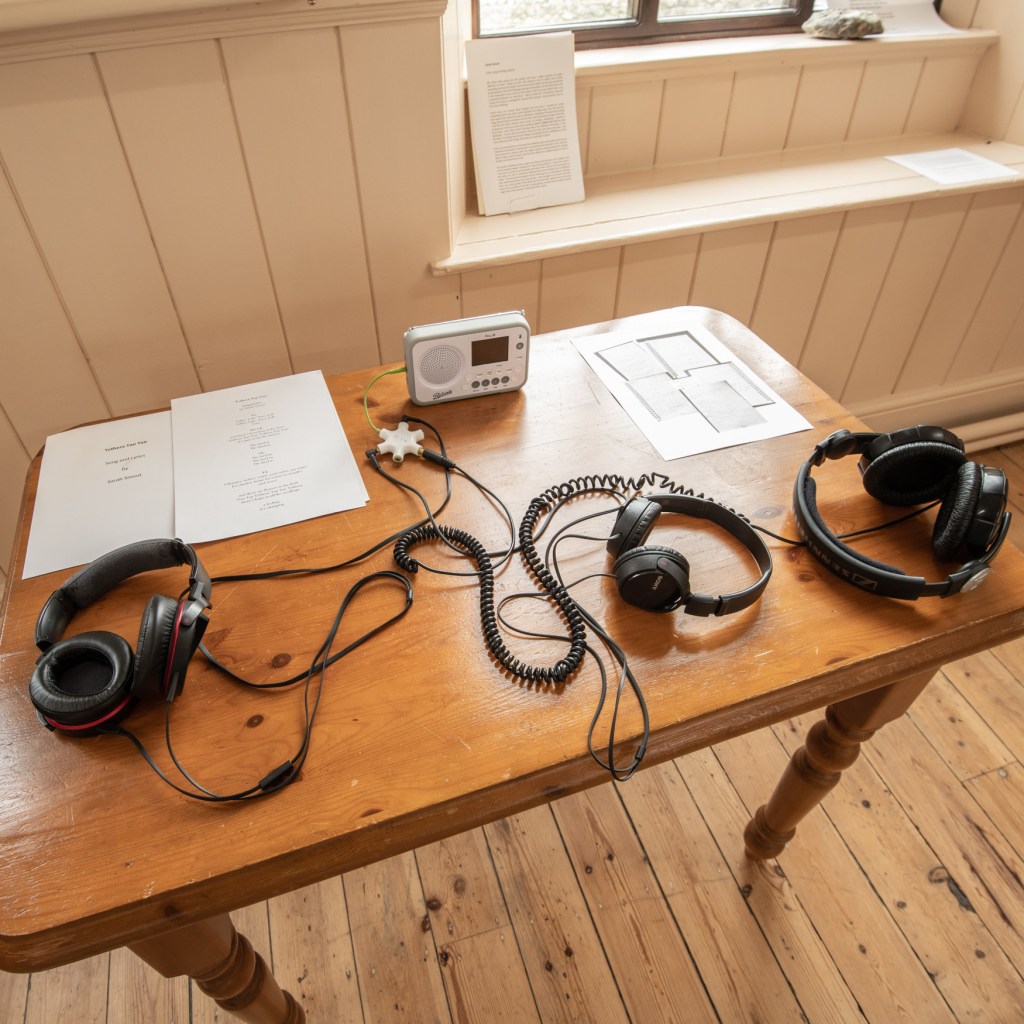
Sarah Smout’s new composition, inspired by the people she met, and the feeling of place, in the Ullswater Valley, is now up on the site. If you haven’t listened in, head over to her page now and let yourself drift. Sarah composed this song, combining cello, voice, and sounds of water, with inspiration from her conversations with people who live and work in the valley.

Head over to her page to listen in, follow the lyrics, and read about her process here.

A woman plays cello to a small audience

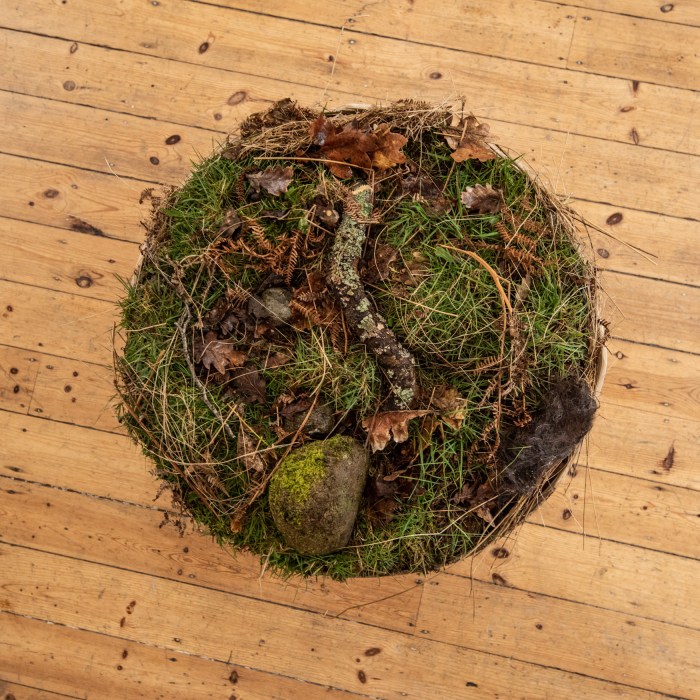
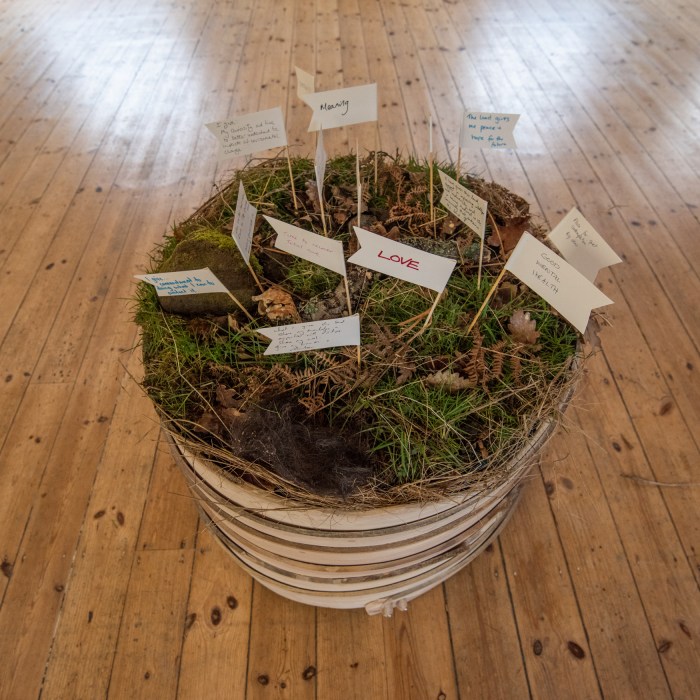
A circle of grass, leaves, sticks and stones, viewed from above

Circle of Earth

As part of the Watershed project, Harriet Fraser and Rob Fraser have been keen to include the land in conversations. They, and the other artists involved, have explored a number of ways to do this. And for group meetings in the valley, we have been including a ‘Circle of Earth’. This will feature at intervals over the coming year, each time featuring a circle of earth taken from the valley, for a short period. The Frasers developed the idea and worked with Charlie Whinney to realise it: Charlie used the process of steam-bending to create the piece out of ash.

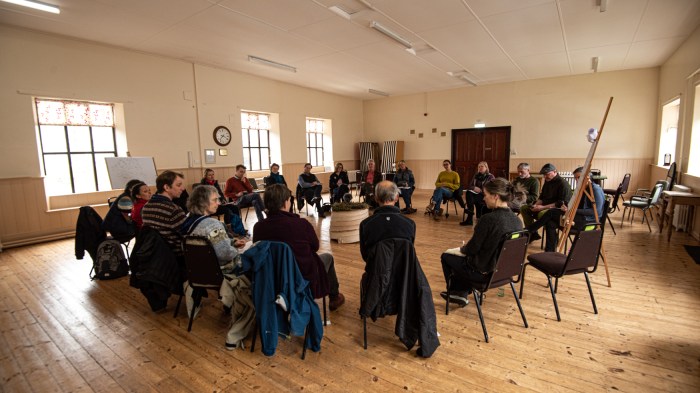
The Circle of Earth has appeared twice so far. First, in March, at a group event in Glenridding Village Hall; and for a second time, in the village hall again, as part of the exhibition. On both occasions it has been ‘borrowed’ from Glencoyne Farm, with thanks to Can and Sam Hodgson.

Circle of Earth, March 2023

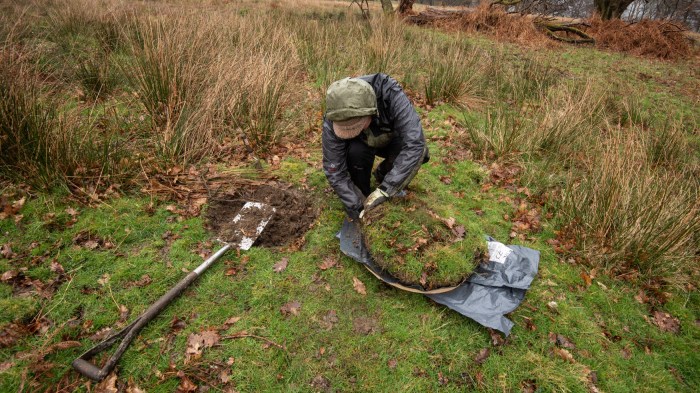
A woman in waterproof clothing bends over a circle of grass-covered earth, with a spade lying next to her
A circle of grass, leaves, sticks and stones, viewed from above
Twenty people are sitting in a wide circle, in a village hall, facing inwards.
Meeting with the earth at the centre
Watershed: Circle of Earth. The flags hold thoughts from participants on our ‘give and take’ relationship with the earth.

The Spaces In Between

in between the names of places
and the endless flow of water

love
for what is treasured
what has been lost
what can be gained

in between the names of places
mouthfuls of cloud
the sound of water over rock
hands in soil
struggle and joy

earth
at the centre
of all we know
and all we don’t yet know

earth
at the centre
of lives that are not ours
but are ours to guard

in between
the named and the counted things
this breathing earth
stories to be heard and told

in between us all
a future
waiting

Harriet Fraser, written for the Watershed event, March 28th, 2023


Circle of Earth, July 2023

A spade resting in a circle of bare earth, with a circle of grass-covered earth next to it
Collecting a ‘circle of earth’ to reside for a few days in Glenridding Village Hall
A woman digs into grass, with hills and clouds in the background
An image from an exhibition: a circle of grass-covered earth resting in a wooden sculpture, and a 2.5-metre high canvas with the words 'ALL THE SMALL THINGS'
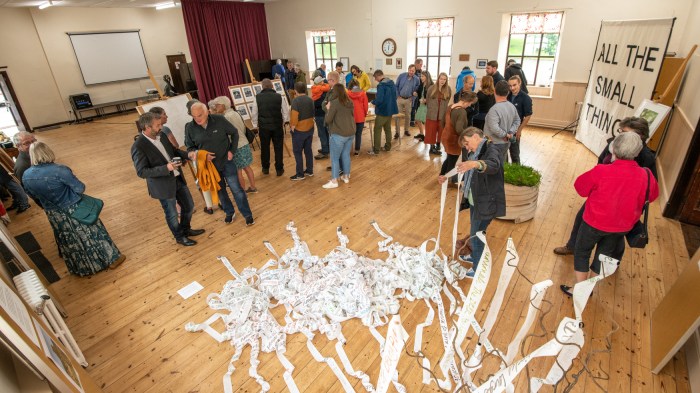
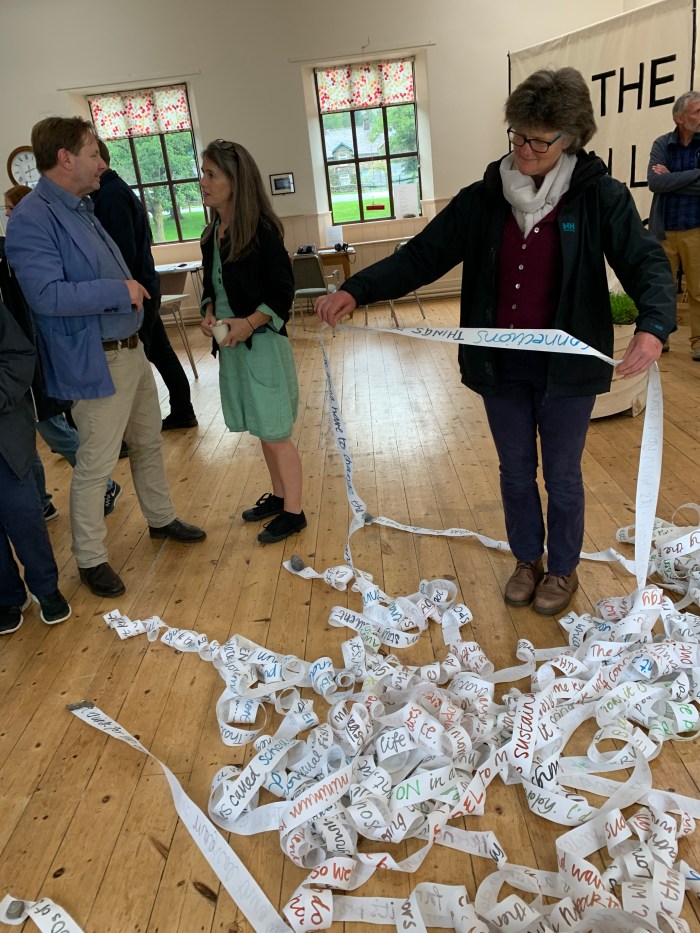
A group of people gather around artworks, with a woman in the foreground looking through long threads of paper

WATERSHED EXHIBITION

Last Tuesday evening, Glenridding Village Hall was buzzing: full of conversation, and a surround of artwork that’s been inspired by meetings these past few months.

This stage of the Watershed project has been guided by conversations with local residents and people whose work connects them with land use decisions in the valley. Back in March at a gathering in the village hall, the first conversations began, in a group setting. Since then, the five artists have been meeting people individually and building work in response. The event on Tuesday, and the exhibition, was a way to reflect back to the community what has been shared with us.

The work provides a frame for meetings and conversations, and prompts for thought. How do we individually and collectively care for the valley? What can we learn from each other? What does the natural living word express – and how do people ‘hear’ and respond to that? Where might decisions and actions be better joined up to support the local village communities, and the natural environment? These and other questions floated around the room nudging shoulders with conversations about music, water, poetry, farming, trees, maps and more.

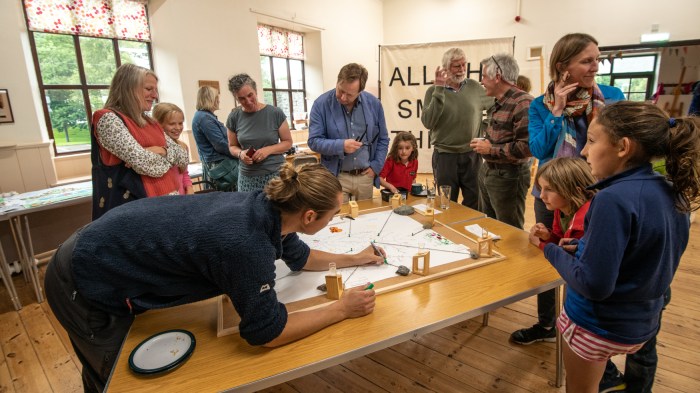
  • People lean over a map which is placed on a table with test tubes in wooden holders arranged round the edge.
  • People at an exhibition looking at work on easels
  • A woman looks through long lines of paper, which have writing on them.
  • A man looks at work mounted on an easel, with a group of people in the background
  • A photograph of a long drawing in an exhibition space
  • A red book containing a small tree is suspended next to a window. The book spine reads 'unseen connections'
  • An image from an exhibition: a circle of grass-covered earth resting in a wooden sculpture, and a 2.5-metre high canvas with the words 'ALL THE SMALL THINGS'

Guided by Questions

Over the past few months, each artist has met 5 different people. As part of a longer informal conversation, we each asked the same five questions, covering five themes:

Wonder … Where is the wonder for you, in the Ullswater Valley?

Legacy … What would you, individually or as part of a community, like to pass on to future generations in the context of caring for this place?

Other-than-human perspectives … If we were to think about this landscape, with its vegetation and all the inhabitants that aren’t human, as having a voice – what do you think it or they might show us, or ask of us?

Curiosity … What are you curious to find out more about, in the context of this place?

Watershed ripples … What would you like visitors to the exhibition to come away with?

Meetings for the most part took place outside, in places chosen by the interviewees: locations included walks in woodlands and onto the open fells, wanders round farms, time on the lake (including at the wheel of a boat) and even underground, in the old lead mines. The layers of this place that have been shared are physical, historical, philosophical and metaphorical.

The opening event on Tuesday included a showing of Matt’s film, poetry from Harriet, and a performance by Sarah. You can revisit the material in the exhibition catalogue here, and there will be reflections from the artists about the process.

A woman plays cello to a small audience
Sarah Smout played an acoustic version of the song she has written and recorded: ‘Tethera Tan Yan’.
A group of people gather around a map on a table, with one man making marks on the map
The map of waterways, with ten water samples, was a focus for conversations, and became animated with peoples comments and drawings.
A board on an easel, holding ten portrait images; and a large format camera with a cloth
Rob Fraser shared a series of portraits made on his large format camera.
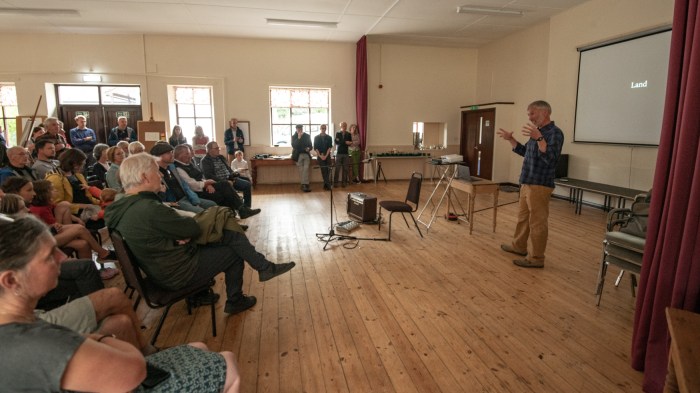
A man stands in front of a seated audience, talking and gesturing as he introduces a film
Matt Sharman introduces his film ‘LAND’
A woman stands in front of an audience in a village hall
Harriet Fraser introducing the project

After the evening event, the exhibition was open to the public for three days – around 270 people came through the doors. Many stayed a long while, pondering the work, and then talking between themselves or with Harriet and Rob. Quite a few people commented that the work ‘made you think – it’s so easy to take things for granted’; and issues highlighted here resonated with issues in other parts of the country. People shared a sense of pride in the place, and a reassurance that many people care deeply for this area. There was a balance of visitors from the valley, from Cumbria, from further afield across the UK, and a few overseas visitors too. One visitor from New York went away motivated to bring artists into a volunteer project campaigning for improved water quality in their harbour.

A series of coloured circles and writing arranged over a map of watercourses and named 'ALL THESE TRUTHS OVERLAP'
‘All These Truths Overlap’ by Rob Fraser
Rolls of paper are spread out on the floor, and tangled together, with writing on them
Kate Gilman Brundrett’s installation, an entanglement of conversations
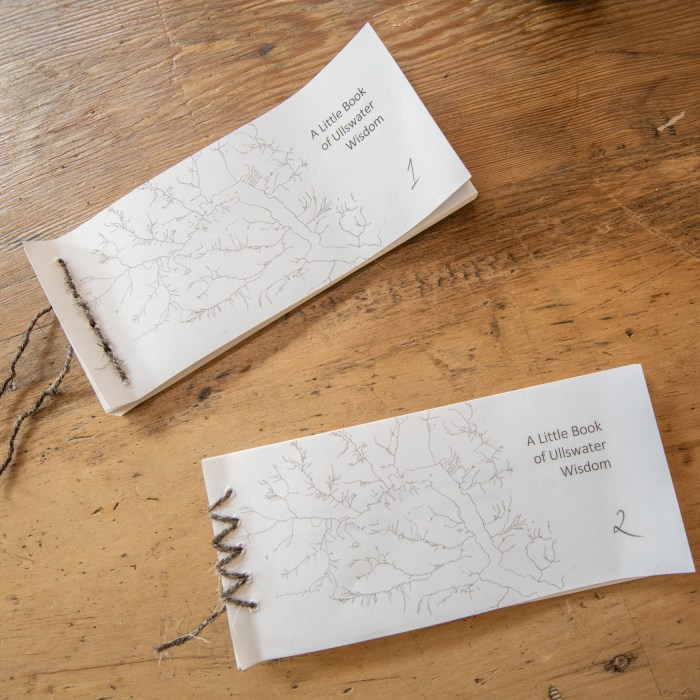
Two hand made books lying on a table.
Harriet Fraser’s pair of hand-made books: containing phrases from conversations in the valley.
A board with post-it notes on

The research will be continuing for 12-18 months, as part of Harriet’s PhD. Within the broad frame of using art as a tool to explore different perspectives and relationships, and to create spaces for conversations, the direction of research will be focused by what has emerged from this stage: a close analysis of the interviews, reflections on the exhibition, and people’s response to the process. ‘I’m curious about cohesion, connections, discussions and joining things up; and what artistic processes may be a useful part of this,’ says Harriet. ‘In the next phase of research I’m looking forward to many more conversations, and to helping out with activities including habitat monitoring and tree planting, and I’ll be taking many long walks within the watershed.’

Five people stand for a photograph, with an image on an easel next to them
Watershed Artists: from left, Harriet Fraser, Sarah Smout, Matt Sharman, Kate Gilman Brundrett, Rob Fraser
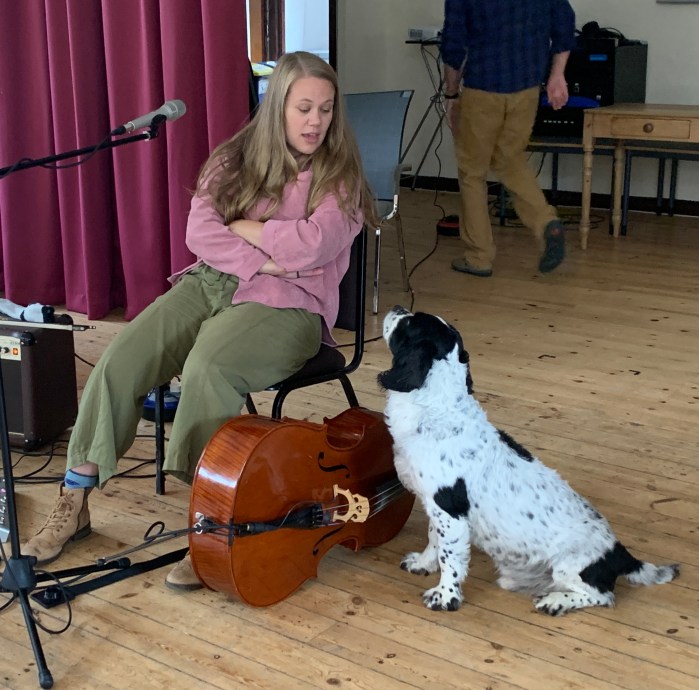
A woman sits on a chair, talking to a black and white dog, with a cello resting between them.
Is it possible to take musical advice from a dog? During sound check, Sarah Smout and Guilly the dog have a chat.
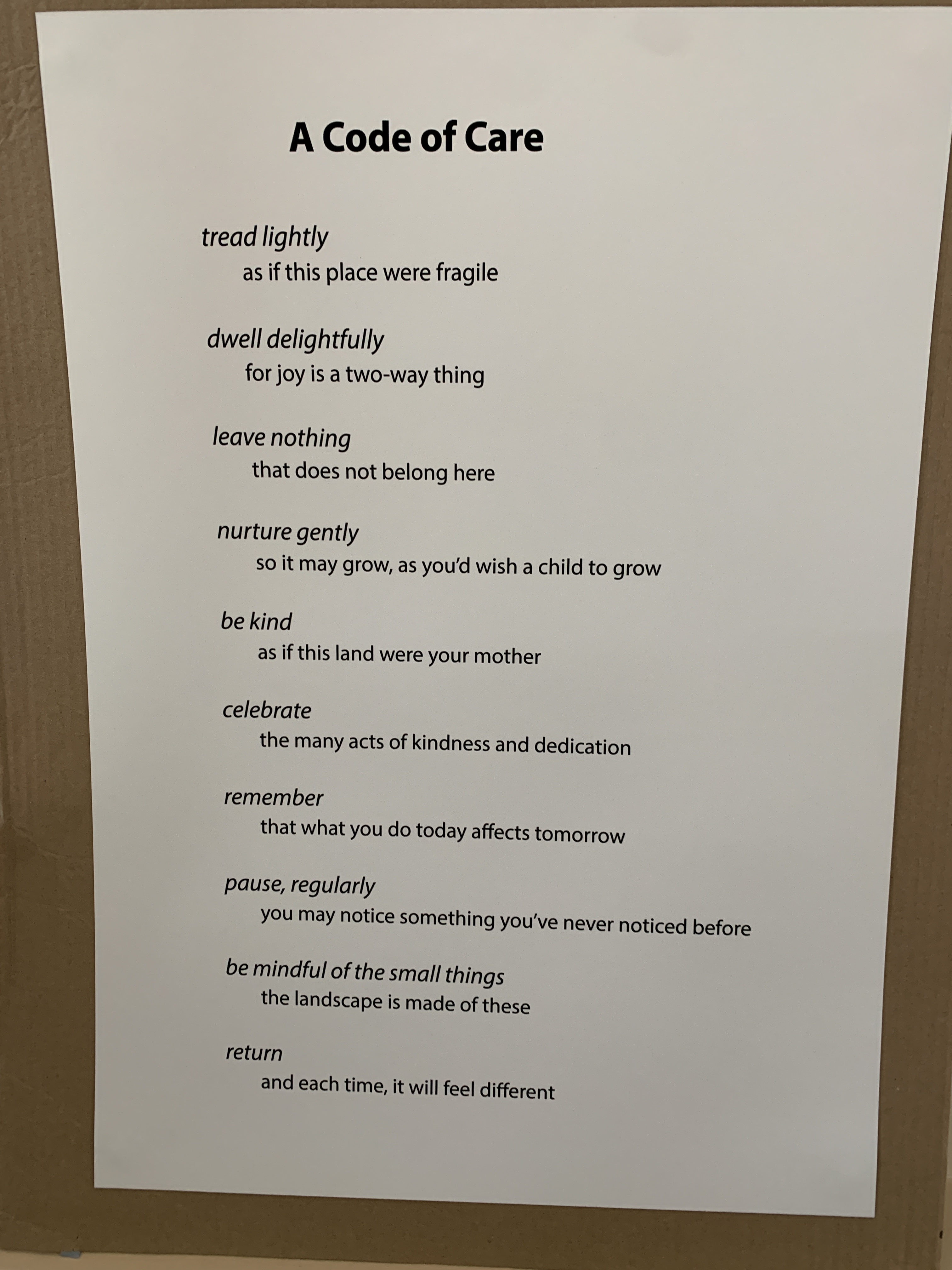
A poetic form of Code of Care writt
Harriet wrote 6 poems for the event. This ‘Code of Care’ was mounted on board outside the village hall, to welcome visitors. it was inspired by local concerns about wider education around caring for rural landscapes.

Two people stand in a stony river installing a 2.5 metre square canvas with the words ALL THE SMALL THINGS
Watershed Canvas: Harriet Fraser and Rob Fraser installing the canvas on Glencoyne Beck, July 2023

For more on the Watershed project, search this site for ‘Watershed’ … or visit the project page here. Or click to read a blog on Matt’s film-making process, or on Sarah’s journeys in the valley.

Watershed : Patterdale School Gets Creative

Creating a new story for Ullswater

Children bring something that we adults just can’t. Their way of seeing, their ideas and their concerns are all really important. So, as part of the Watershed project, which brings many perspectives on the Ullswater Valley together through art, it was essential to involve children from the Valley.

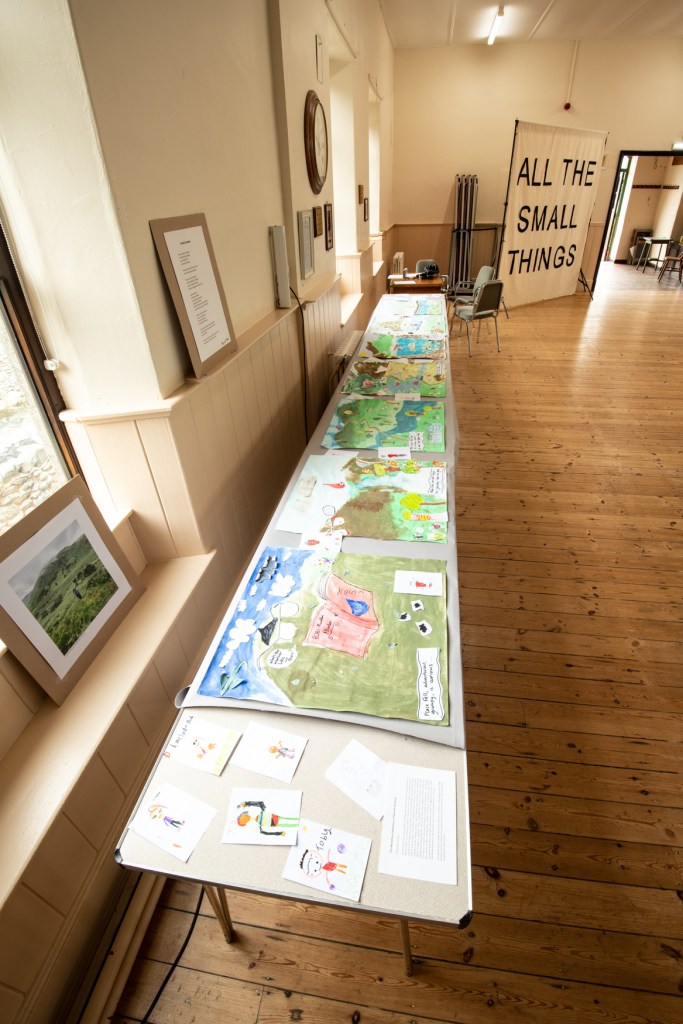
The children’s artwork will be shown at the exhibition in Glenridding Village Hall (July 19, 20 and 21, 10am – 5pm). Then it will return to the school to be mounted on a wall.

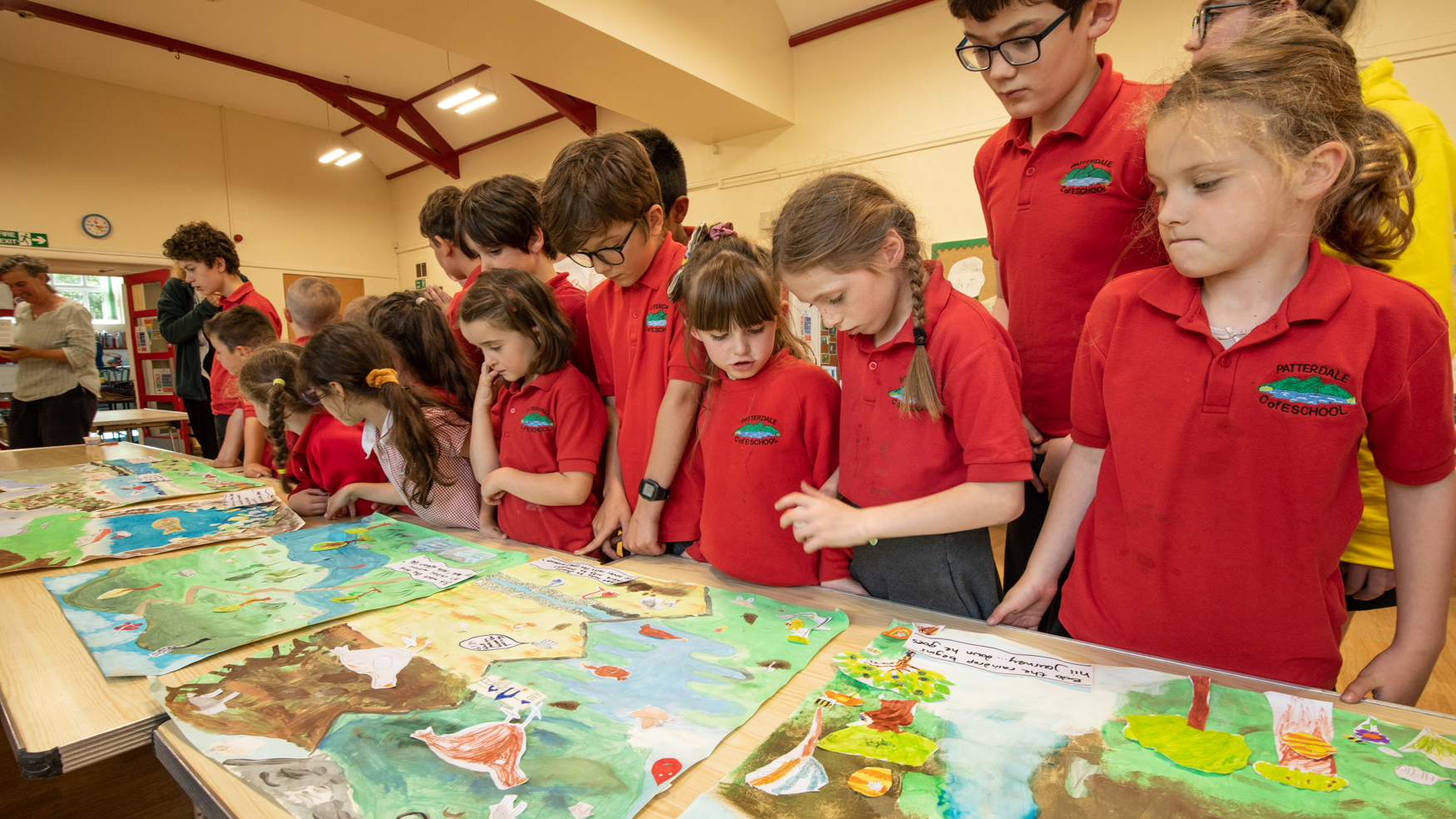
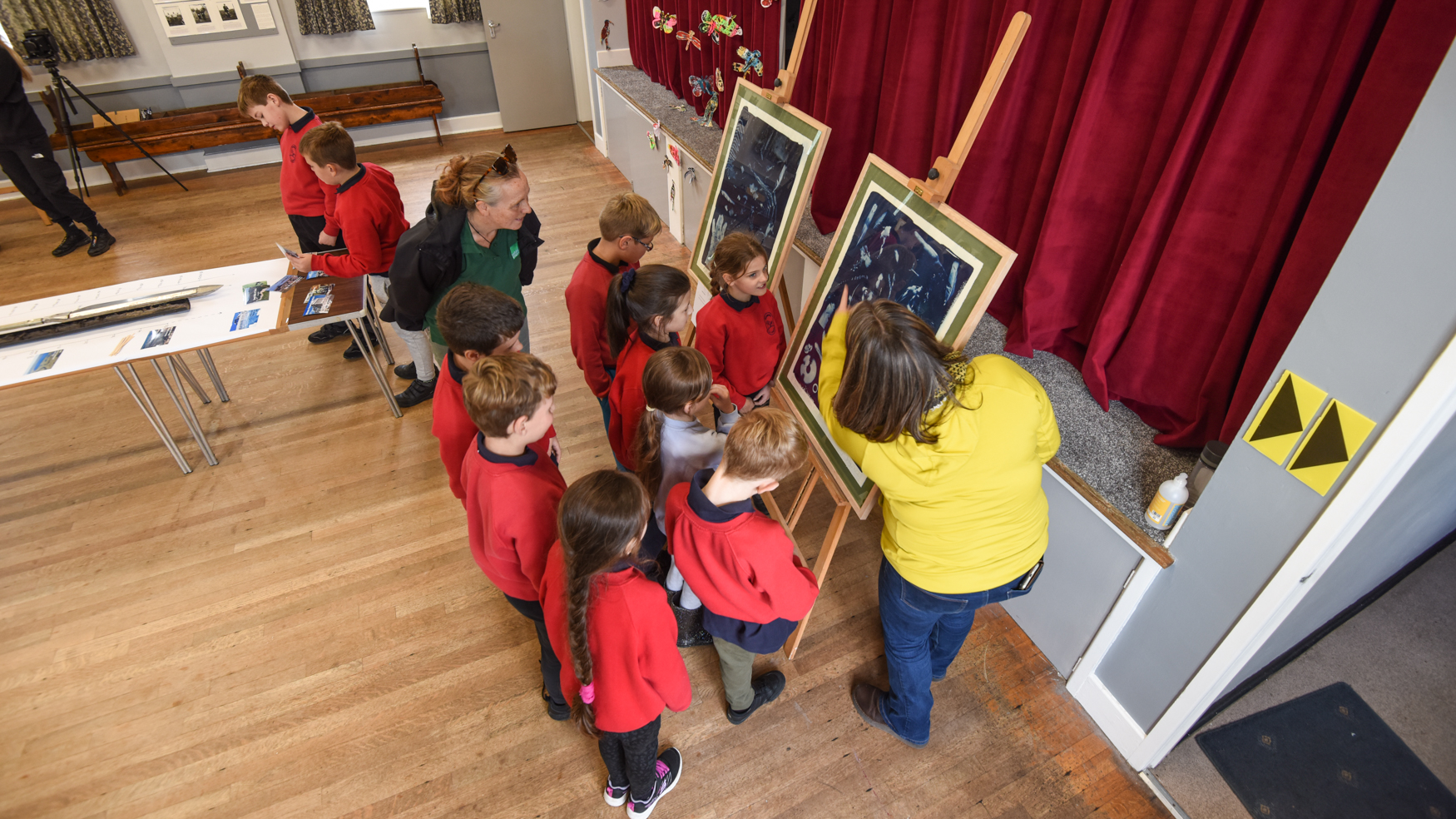
a group of children in red shirts look at hand-painted panels of a story they invented

The children’s 7-part illustrative panel tells the story of The Marvellous Journey of Bob the Raindrop from the top of Place Fell, down into the lake, and all the way to Penrith. It allows us all to travel through a variety of habitats and consider what’s important in this place.

Harriet, Rob and Kate – three of the five artists on the Watershed team – started the day by taking the children outside. Lined up on a bridge straddling Goldrill Beck, they were able to look around them and discuss the different elements of the valley, and how they link up. They imagined what the fells, the sky, the water and other elements might be like if they were characters, and began to build the foundation for their story.

A group of children line up on a bridge, in the sunshine, with a river below, and a hill in the background
On the bridge above Goldrill Beck, with Place Fell in the background

The children are familiar with this valley: for most of them, it’s where they live. Most of them have walked to the top of the fells that rise above the lake, many of them come from farming families, all their hands went up when we asked who swims, paddles or sails here. They were able to weave all these experiences in; they shared their concerns about litter in the valley; they have experienced floods; they know the vagaries, and the impact of weather. We also talked about things that aren’t so easily seen, like the phytoplankton in the lake. Huge thanks to Ellie Mackay from UKCEH (Centre for Ecology and Hydrology) for helping Kate to explain this microscopic world to the children … it was easy to go from discussions about plankton to ideas of plankton-parties under water and the discussions that a water drop might have with schelly fish.

A group of children in red shirts sit on the floor, with two adults who point to a screen at the front of the room
Introducing the children to microscopic phytoplankton that live in Ullswater lake

The work that the children has created, deciding every step of the way what they wanted it to be, brings together a delightfully playful element with a narrative of a place that is populated by many different species – the panels include birds, butterflies, fish, sheep, hens and dragonflies as well as people. And it offers some heartfelt observations – that this place is precious, and fragile, and needs to be cared for.

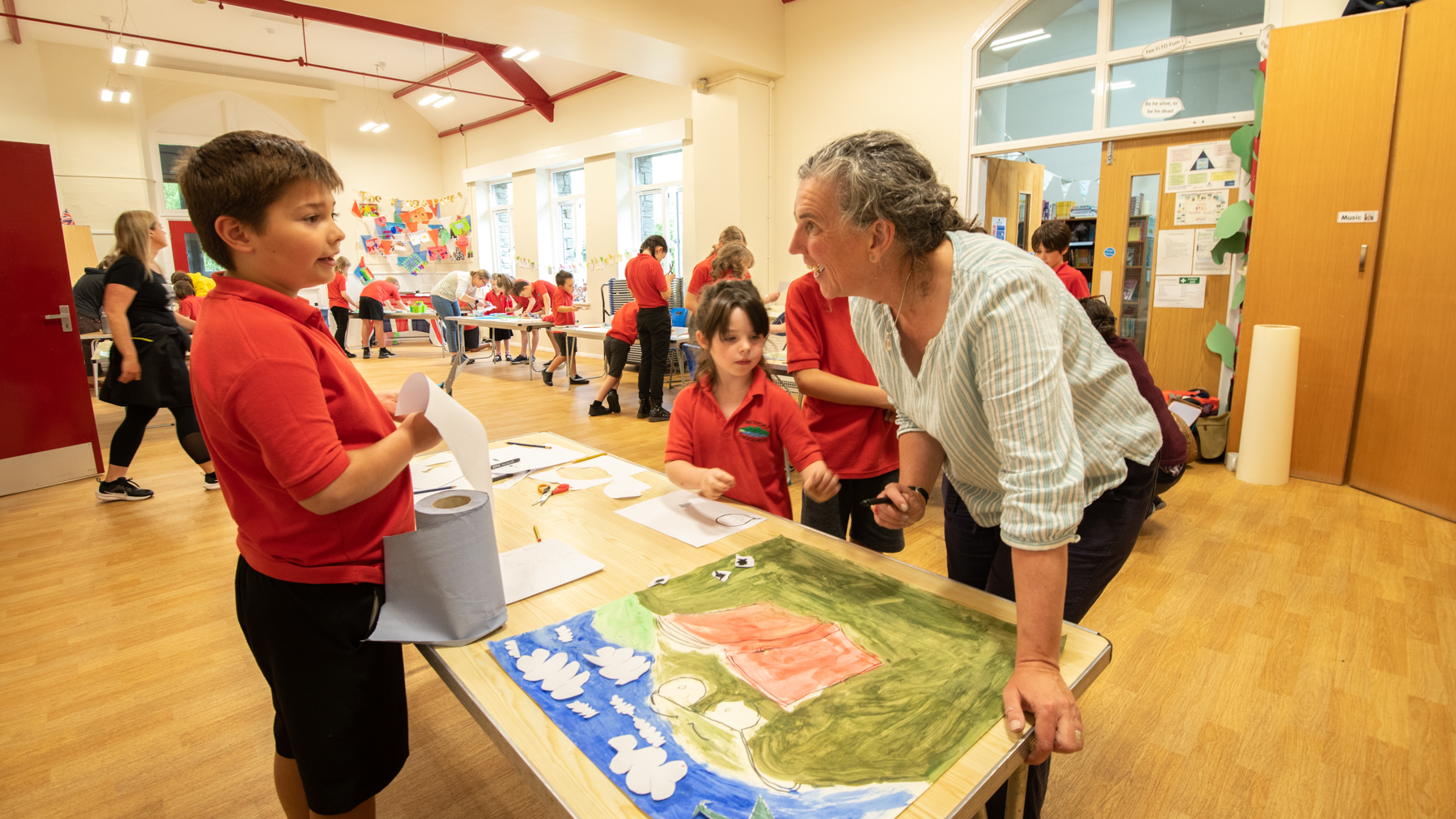
Children are making a painted collage, talking to an adult
A girl in a red shirt looks over

‘This is one of those pieces of work that just makes me smile,’ said headteacher, Nicky Steels. The smile comes not just from the finished piece, but the process that led to it. From choosing the central character of the story, to democratically selecting a name, and then working in 5 multi-age groups, the 34 children worked happily, energetically and respectfully. Quite aside from the piece that was created, what the day revealed to us all (and not for the first time) was the remarkable nature of relationships here, where a school is like a family, and where families connect with one another.

These connections are part of life in Cumbria and we felt it too – Rob and Harriet knew some of the children from their work with local farmers over the years, and Kate knows one of the teachers, whose mother taught Kate in primary school. These links, and ripples of relationship, help to knit a community together not just in a valley, but across the fells.  The need for a strong community has been expressed by many of the people we’ve interviewed as part of this project as an important aspect of living well, and shaping a good future together. A strong, committed, and connected community is vital when it comes to caring for the valley.  

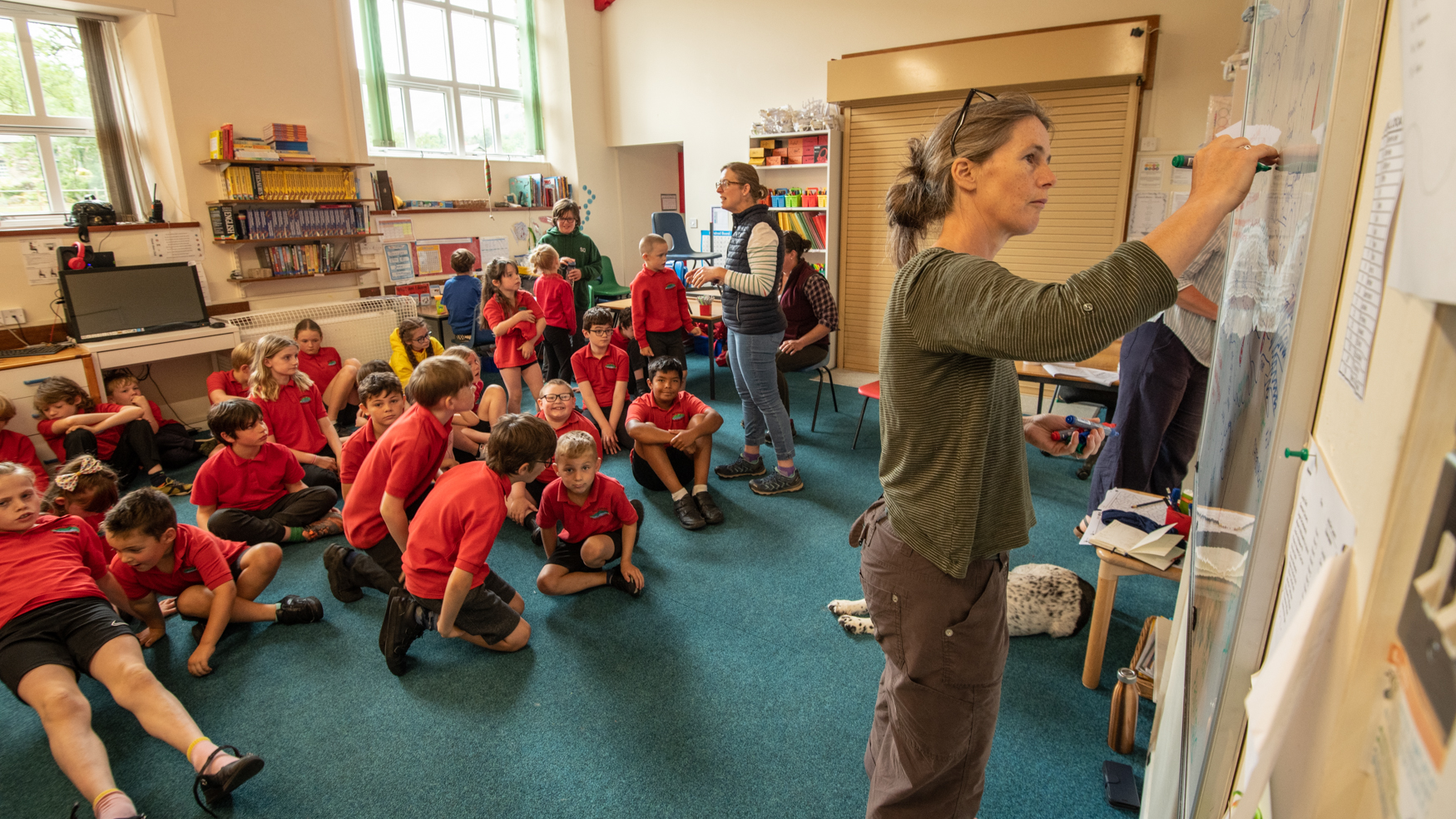
A woman marks a whiteboard in a classroom; children sit on the floor
Work in progress: Kate Brundrett takes notes from the children as they create their characters and weave a story

For more on Watershed, click this link.

Exhibition : Glenridding village hall, July 19, 20 and 21, 10am – 5.30pm.

Watershed : Musician at work

GUEST BLOG

Cellist and poet Sarah Smout is one of five ‘Watershed’ artists. She is currently working on a musical composition that weaves together what she has learnt from speaking to people in the Ullswater valley. 

Sarah says that she is interested in bringing the land’s voice into the composition through field recordings, extended techniques and improvisation. With this she hopes to convey the deep connection to Ullswater that these people have, and the urgency of the human task in caring well for a precious and fragile land. In this blog post, Sarah tells a story of her encounters with farmers Sam and Can Hodgson, from Glencoyne Farm, and skipper Christian Grammar, from Ullswater Steamers.


View through the windscreen of a quad bike, looking across green fields towards distant hills
A tour round Glencoyne farm: view from the quad

if you give nature a chance …

“If you give nature a chance, it will come back,” says Sam, sitting opposite me in his farm kitchen. His hands are scarred and etched with lines that only a lifetime of working with the land will do. And that is exactly it: this land is his life. His and Can’s, and their family’s. And it is their preoccupation to make sure it is a life worth leaving for future generations.

So much joy glints in Can’s eyes as she tells me about the wildflowers returning – milkwort, butterwort, lousewort – and Sam’s newest revelation in life, swimming in the lake, makes him sit forward and gesture with his arms his feeling of being in his own air bubble, as he bobs in the water, looking back up the fell. They both agree: closing the gate at the end of the day is one of the wonders of being here – a moment when they can look out at the land, a day’s work done, and wander down the fell back to the farmhouse.

A woman gestures while talking, one hand outstretched, the other resting on a white horse. A man leans on the fence to the right of the image.
Can and Sam Hodgson have been at Glencoyne Farm for many years as National Trust tennants

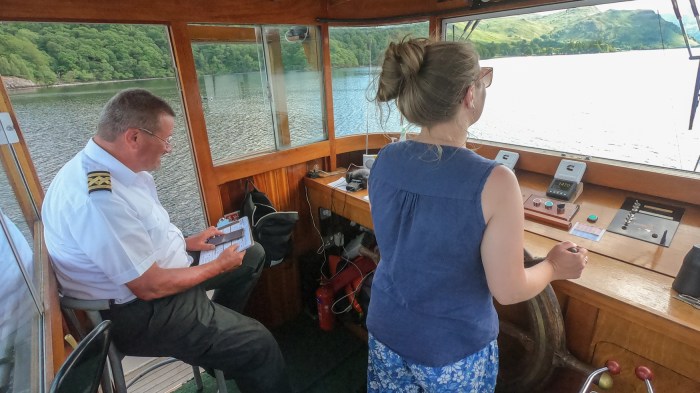
A woman holds the wheel of a boat, while a skipper in uniform speaks into the radio
It’s not every day you get to drive a boat across the lake … Sarah with skipper Christian Grammar, who has been working on the boats for decades

Before we set sail, Christian feeds his friendly rook, who perches on the bow of the Raven. It has learnt to say hello back to him, but Christian refuses to give it a name. As we motor out, I sit in the wheelhouse with my zoom recorder ready to catch any one-liners, any moments that might make it into my composition. But it doesn’t feel like an ordinary interview, because Christian’s connection to this lake runs deeper than the North Sea. He tells me how he belongs here, feels more at home here, on the water, than anywhere. He seems to know every ripple, and loves to show people this elbow-shaped bit of water.

We both notice how everyone enthusiastically waves at each other from the other boats, something that doesn’t happen on other modes of transport very often. Time always seems to enter a different realm out on water, and this seems to amplified for Christian when he tells me how his Synesthesia makes everything feel connected. It’s a type of hyper-sensitivity to sound. He drives the boat but his ‘elbow room’ is the side of the lake, he hears the engine but his listening stretches far beyond the edge of the boat, the wake, the wind, the people, the birds. Swallows swoop in front of us, and he tells me how he does a similar thing with the ripples that sometimes form in patches on the lake – cat’s paws, he calls them. And when he’s on his last sail home, he likes to weave through them, joining the dots, and then looks back to see what he has drawn. An artist in him yet. It makes me wonder, how through joining the dots, listening far beyond our reach, we might help this planet of ours heal faster its scars that we have etched – some that run deeper than a human lifetime, and may still be healing long after we are gone.

An oblong plaque on a boat reflects the lake and hills

Sarah will be giving a performance of her piece, with cello, song and looped sounds collected during her research, at the exhibition preview; a digital recording of her composition will be shared through this website.

For more about Watershed, head to this page.

For more about Sarah, read her profile.

A man squats down behind a camera, which is mounted on a tripod, on a sloped grassy hill

Watershed : Filmmaker at work

GUEST BLOG

As part of the Watershed project, Matt Sharman has been meeting people in locations across the Ullswater Valley. In this blog, Matt shares his reflections, some images of the people he’s come to know, and how he’s settled into what feels like an unusual process.


Trust the Process …

Five people – my ‘interviewees’ – have generously given their time and insight.  The conversations have been ranging, heartfelt and interesting – I’ve learnt a lot.  We moved through many different perspectives but some key ideas have been constant.  Everyone, including me, holds the hope that any visitor to the exhibition space in Glenridding village hall leaves with a deeper understanding of the many living layers the Ullswater catchment has.  This is an exceptionally beautiful environment and many people visit for this reason alone, but there’s also a rich cultural heritage, tightly-knit and hard-working communities with a strong sense of belonging, working with the land and connected to it.  Everyone, in a variety of ways, is of this place.

This process continues to be an interesting creative journey for me. Usually, with film making, there’s more clarity about the form and shape the finished material will take.  This project is different, and is a fascinating way of working – it’s far more organic, the connections and subject matter have been given the space to grow naturally from the conversations we’ve had.  In this way it’s been more collaborative, and less directive.  I’ve found myself relaxing into the complexity. I’ve been discovering and learning as I go, and it’s not over yet …

A woman sits on the ground, in front of a small wooden shack, and a brown pig approaches the camera
Animals have featured in many of Matt’s interviews. Here’s farmer Claire Beaumont, with Lilly (and piglets).
A man sits on a rocky outcrop, with a lake and hills behind him
Gordon Lightburn, Chair of the ‘Friends of Ullswater’ and local Blue Badge Guide.
A woman sits with her dog on a grassy hillside, with hills and a lake in the distance
With Kate Gascoyne from Cumbria Farmer Network, looking across the Ullswater Valley.
A woman sits in the shade of a tree, with a lake visible in the background
Matt met Kerry Rennie, from Natural England, and chatted in an area of woodland pasture
A woman sits on a patch of parched grass with a gorse bush behind her
Suzy Hankin, from the Lake District National Park authority

Matt, who lives in the Ullswater valley, is one of five artists taking part in Watershed, with each artist meeting five different people and creating work in response. The film will be part of the exhibition in Glenridding village hall, July 19, 20 and 21, 10am – 5pm.


For more about the Watershed project, visit this page.

And click here for Matt Sharman’s profile.

Ecoart in Action book cover image

Ecoart in action: book review

By Harriet Fraser

If you have any interest in the way art works within environmental education and has the power to influence change and broaden options for action, we’ve no doubt this book will hold something for you. It has been thoughtfully put together by an editorial team from the Ecoart Network and its content – a series of contributions from members of the network – embraces a range of approches to education and many different art practices.

The book explores a diversity of approaches and brings together different streams of thought from artists who share the overarching goal of reframing and addressing ‘the most pressing social and environmental problems of the Anthropocene.’ This multi-stranded approach is something that appeals to us at PLACE since, in reality, there is always way more than one way to engage with a subject, to learn, to develop ideas and to have an impact.

The editors of the book define ‘ecoartists’ in this way:

‘Ecoartists bridge formal and informal knowledge and experience, both inside and outside the field of art, and make connections, relationships, and systems visible.’

“Regardless of the form an ecoart work or project might take, the practice is as follows:

  • hybrid, relational, and inter-or transdisciplinary
  • embraces ecological and systems thinking
  • shifts culture and raises awareness through individual, collective, local or transnational action”

The book shares activities and case studies that show how artists work with curiosity and creativity. It demonstrates how arts in practice can nurture communities and further discussions about the way humans relate to the living world – and, crucially, the place for artists to highlight problematic issues, disrupt harmful ways of thinking, and stimulate positive change. You can travel from Aviva Rahmani’s Blued Trees Symphony to Cathy Fitzgerald’s Hollywood Forest, from a classroom to a back yard or local park, from ancient philosophies to contemporary activism, from experimentation to tried and tested research tools, from stories of personal transformation to manifestos for environmental justice, and you can delve into philosophical, ethical and conceptual discussions. There’s so much in here to inspire, and to seed new ideas and actions … it’s a book to keep returning to.

I’ll close with some words from the book … a form of invitation:

“You hold in your hands a field guide or road map to contemporary ecoart practices … along this journey, there are many places to stop, check out the view, get your feet wet, or jump into the deep end.”

Editors: Amara Geffen, Ann Rosenthal, Chris Fremantle, Aviva Rahmani

The book can be purchased from the Ecoart Network here: https://www.ecoartnetwork.org/ecoartinaction

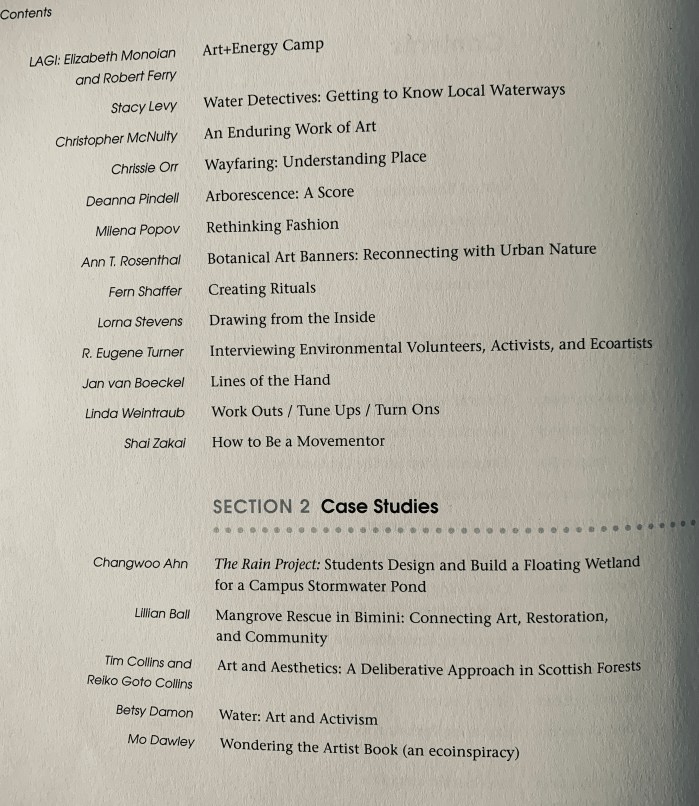
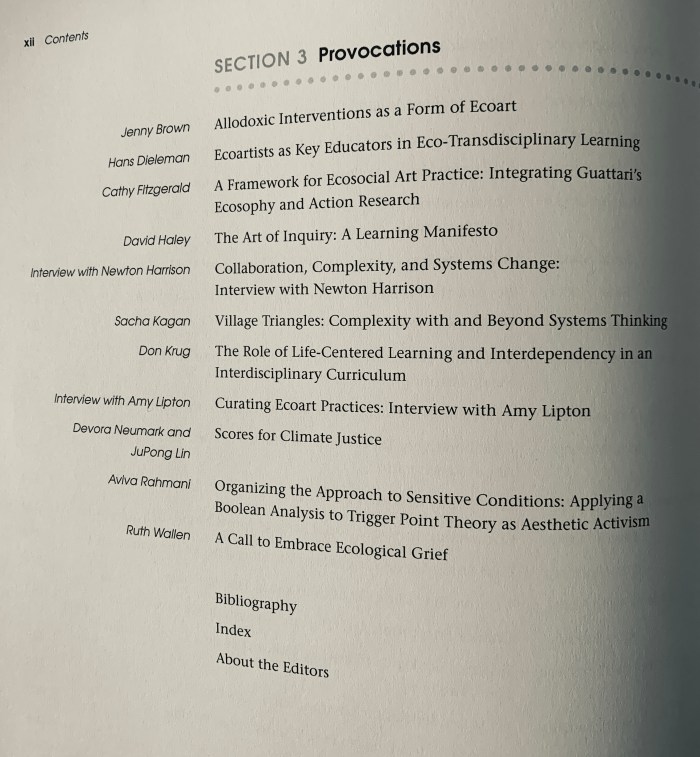
The contributions are so widespread that instead of listing them by name, here are some images of the contents to whet your appetite:

Ecoarts in Action contents page, page 1
Contents page 2 for the book Ecoart in Action
Ecoarts in Action contents page, page 3
Ecoarts in Action contents page, page 4
Ecoart in Action book cover detail
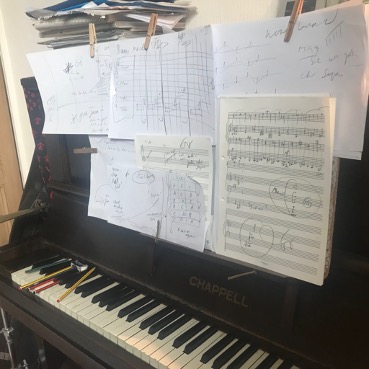
An image of a piano with sheets of paper and notations; Colin Riley's composition process

Natural Elements, human imprints

Guest Blog from Colin Riley – sharing reflections on using field recordings, and news of the premier of ‘Hearing Places’ in performance with the BBC National Orchestra of Wales.


For the last ten years most of my work as a composer has sprung from two interconnected themes; ‘the environment’ and ‘place’. In other art forms there is a way to weave in a direct message, but with music alone you are really just dealing with patterns and implied emotions. It’s inevitably more oblique. Since I love collaborating and interdisciplinary work, this has all fitted together quite naturally for me, and involving other art forms has been common practice.

In 2017 I released an album and toured the UK with a project called In Place. This involved commissioning new texts from a range of writers engaged with place including Robert Facfarlane, Richard Skelton, Jackie Morris, Nick Papadimitriou, Paul Farley, and Selina Nwulu. These texts ranged from nature writing to psychogeography and ideas around our personal place in society. This ever-evolving project began as a song cycle, mutating into a concept album, radio podcasts, music videos, remixes and education projects.

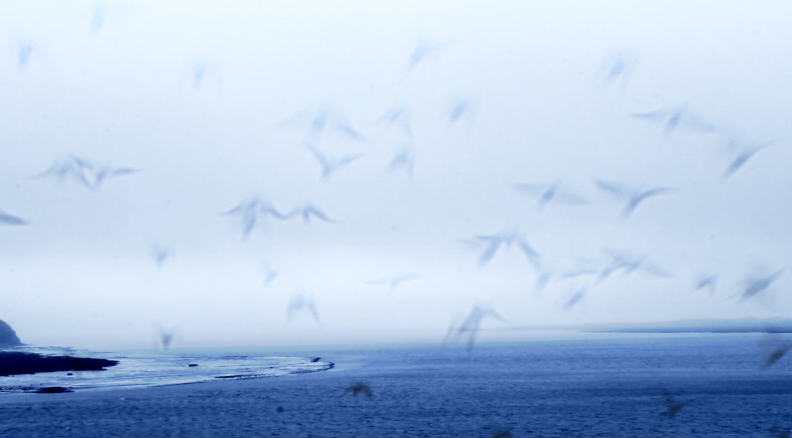
In 2019 I was commissioned to write Earth Voices, a large-scale orchestral work for a Swedish orchestra. Earth Voices is a celebration of noticing the magnificent and fragile things in our natural world. It was pure orchestral writing with no texts, and I attempted to portray different natural phenomena in each of the movements. There were bird murmurations, sunlight through trees, majestic mountains, and a slow twilight.

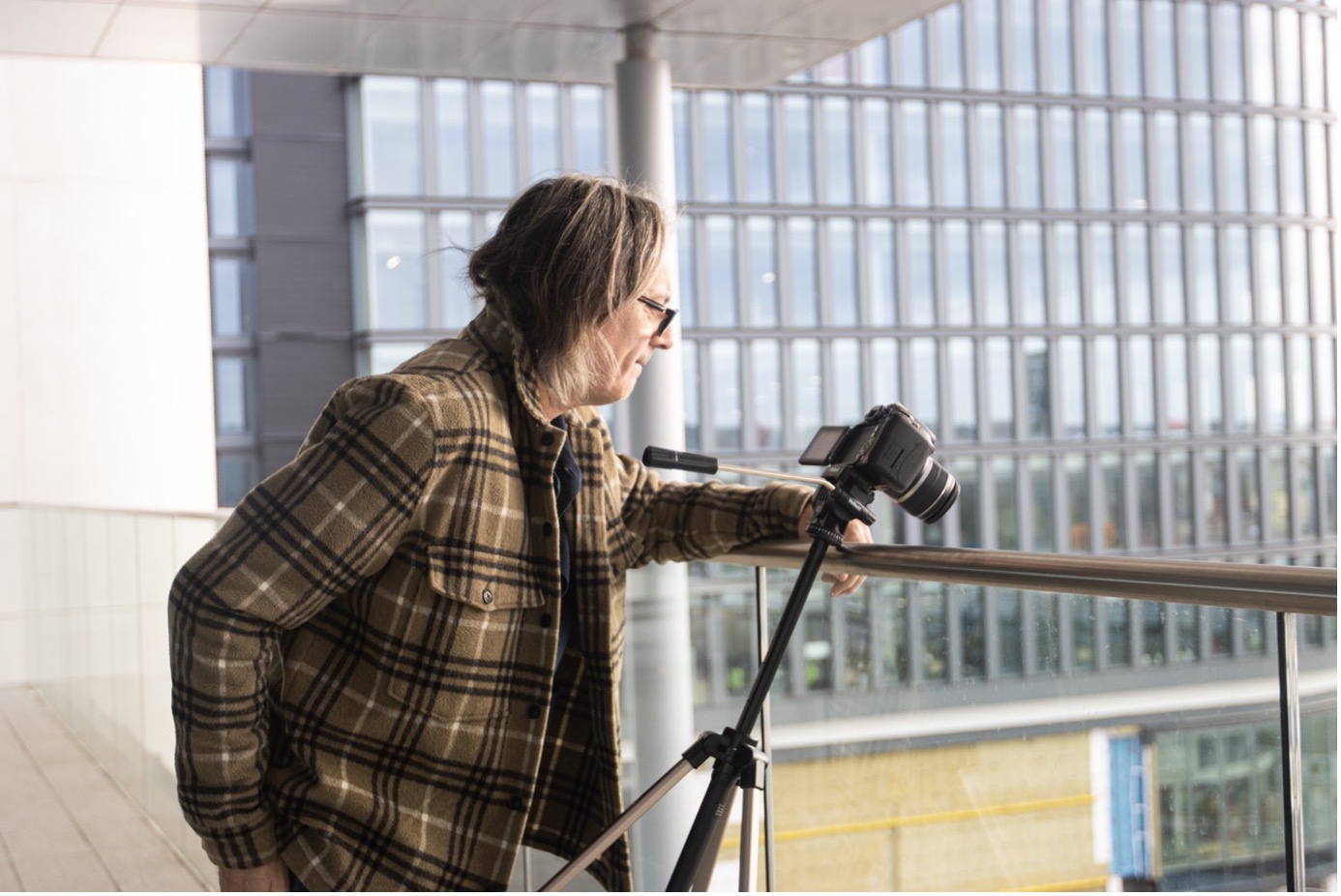
A man with a camera looks over a balcony

Filming and recording in Central Square, Cardiff

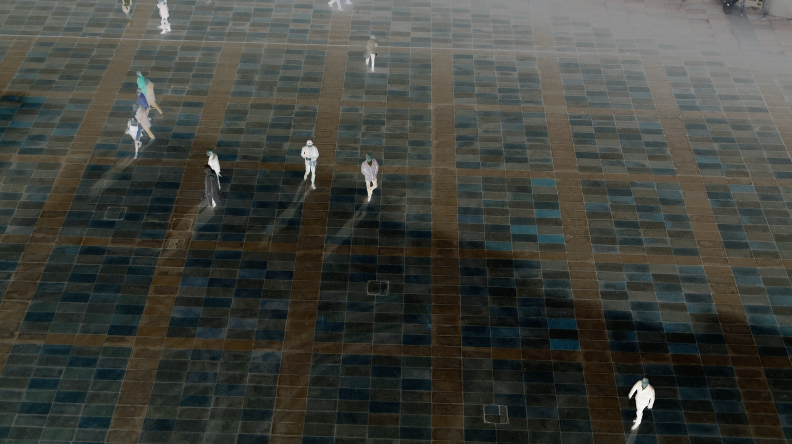
I have just finished composing a second orchestral work Hearing Places, which is in many ways an amalgam of the previous two pieces. Instead of using text or just orchestral colour, Hearing Places blends field recordings and video clips into a multi-sensory experience for the concert hall. Again it celebrates the noticing of our surroundings, engaging the listening with a close affinity with place in both nature and man-made environments. The specific locations are all in Wales: Port Talbot Steel Works, Porthmadog Harbour, Dylan Thomas’s writing hut in Laugharne, Solva Woollen Mill, a stream in the Brecons, Cardiff Central Square, and Llanfwrog Church, Ruthin.

Porthmadog Harbour (left); Llanfwrog Church, Ruthin at twilight (right)

With this suite of seven movements I am aiming for a new kind of symphonic experience. It involves immersive listening, and a way of sharing in the noticing of often inconsequential, yet hugely-beautiful sounds. The music aims to capture both the delicate fragility and massive power of our world, and to illustrate simply what we stand to lose in the environment crisis we are now in. It is my view that through the act of noticing our surroundings, we can begin to value our world more. Natural elements are frequently referenced in the music (weather, times of day, natural phenomena and the seasons), as are the human imprints left in our world (machinery, vehicles, pattern-making, conversation).

Stills from video

Hearing Places celebrates the rich audio and visual patterns found all around us, and I’ve spent the last year travelling to all corners of Wales collecting field recordings and video clips of interesting places that have captured my imagination.

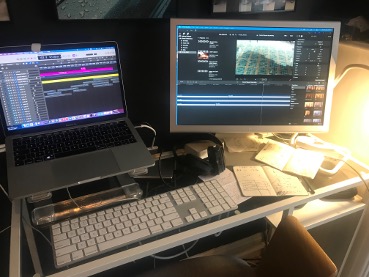
These small building blocks of pitch, rhythm, and pattern in turn then became the materials for the creation of the music itself. Sometimes I simply made a natural emotional response in terms of mood and feeling, and at other times took a more forensic approach. The audio forms a strand of the orchestral fabric, woven differently in each movement, and is ‘played’ from within the orchestra by the keyboardist. Similarly the video clips form an additional textural layer for the audience, and likewise are triggered by the keyboard in different ways.  Sometimes a place may be recognizable, but very often it remains abstract and mysterious.

Hearing Places is premiered on Friday 17th February in the Hoddinott Hall Cardiff by the BBC National Orchestra of Wales.

Colin’s routes, mapped; and images of work in progress.

Colin has also written about his process in three blogs:

One Man And His Sock

In Search of Sights, Sounds And Smells

“Bring some overalls and a torch. You’ll need them.”

Find out more about Colin in his profile here.

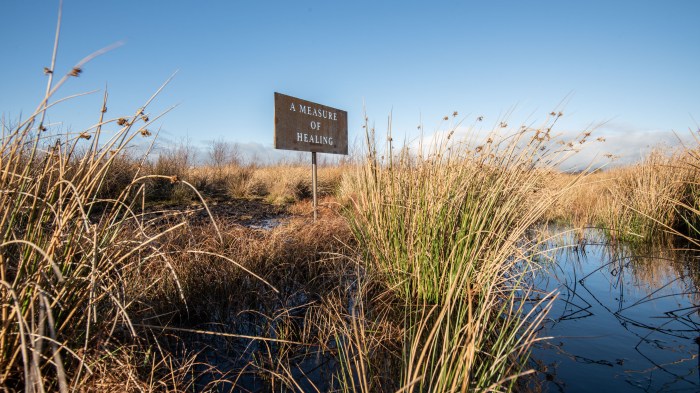
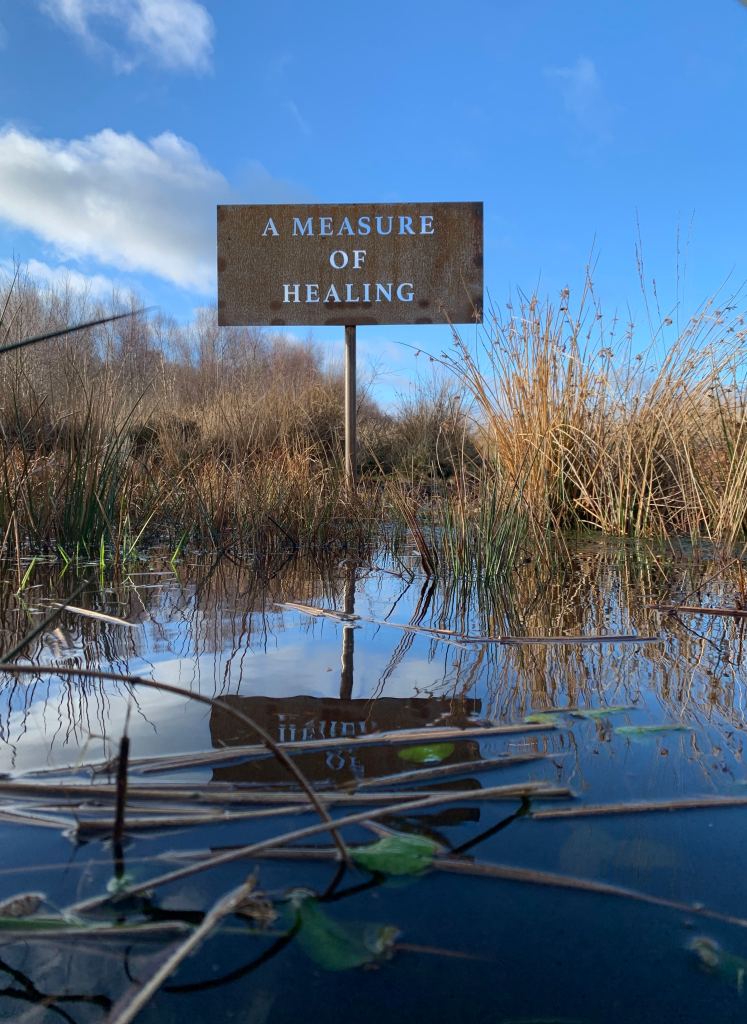
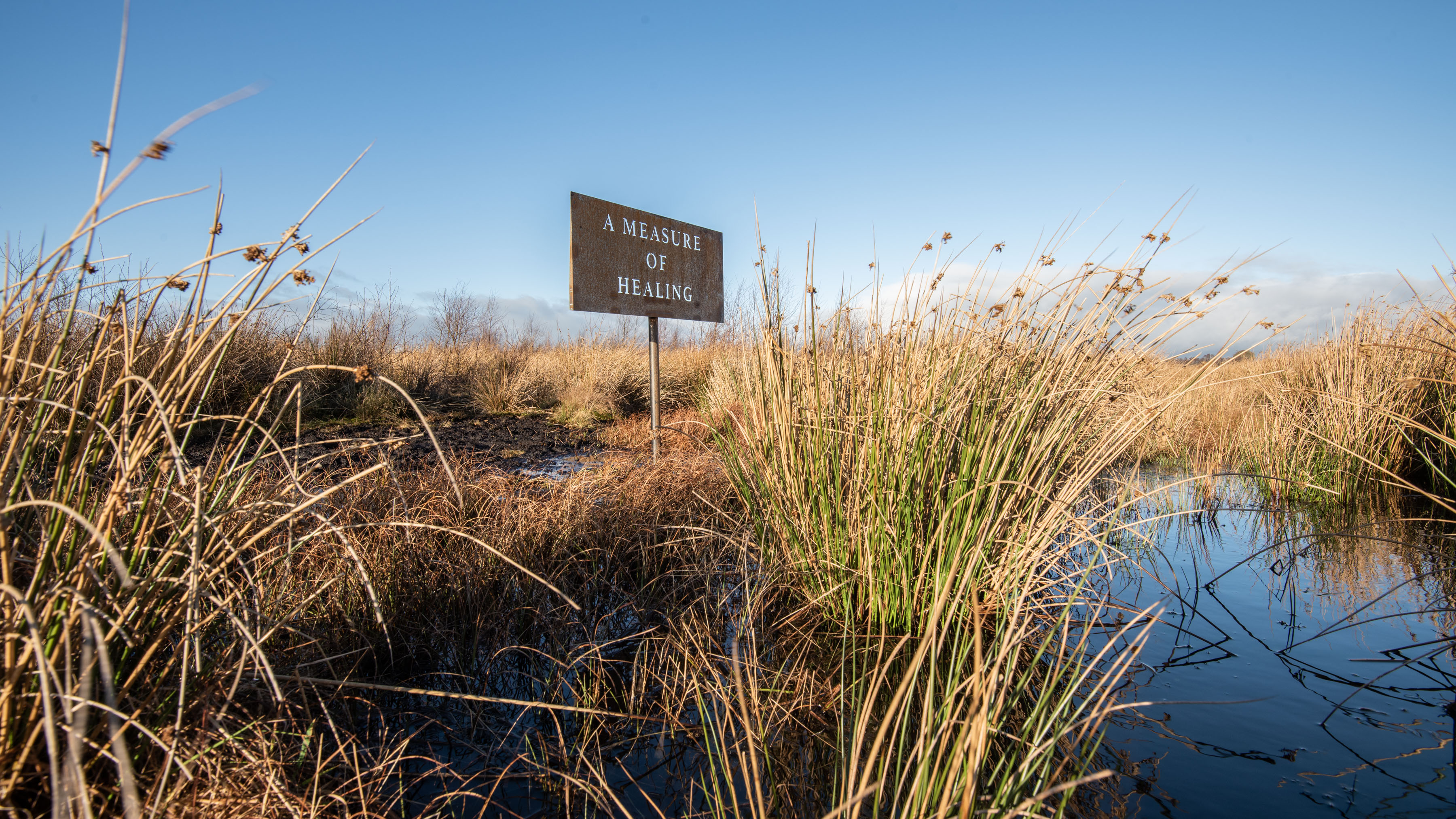
A sign rises from wetland and grasses. Words on the sign read 'A Measure of Healing'

poetry sign test – success!

A blog from Harriet Fraser and Rob Fraser, working on the Moss of Many Layers project.

Landmark day! After a year of planning, with research, poetry composition, design, engineering and finger-crossing, on Friday, together with Natural England Senior Reserves Manager Emma Austin, we headed out to Bolton Fell Moss to test the installation of a poetry sign. And phew, the install went perfectly! Hurray!

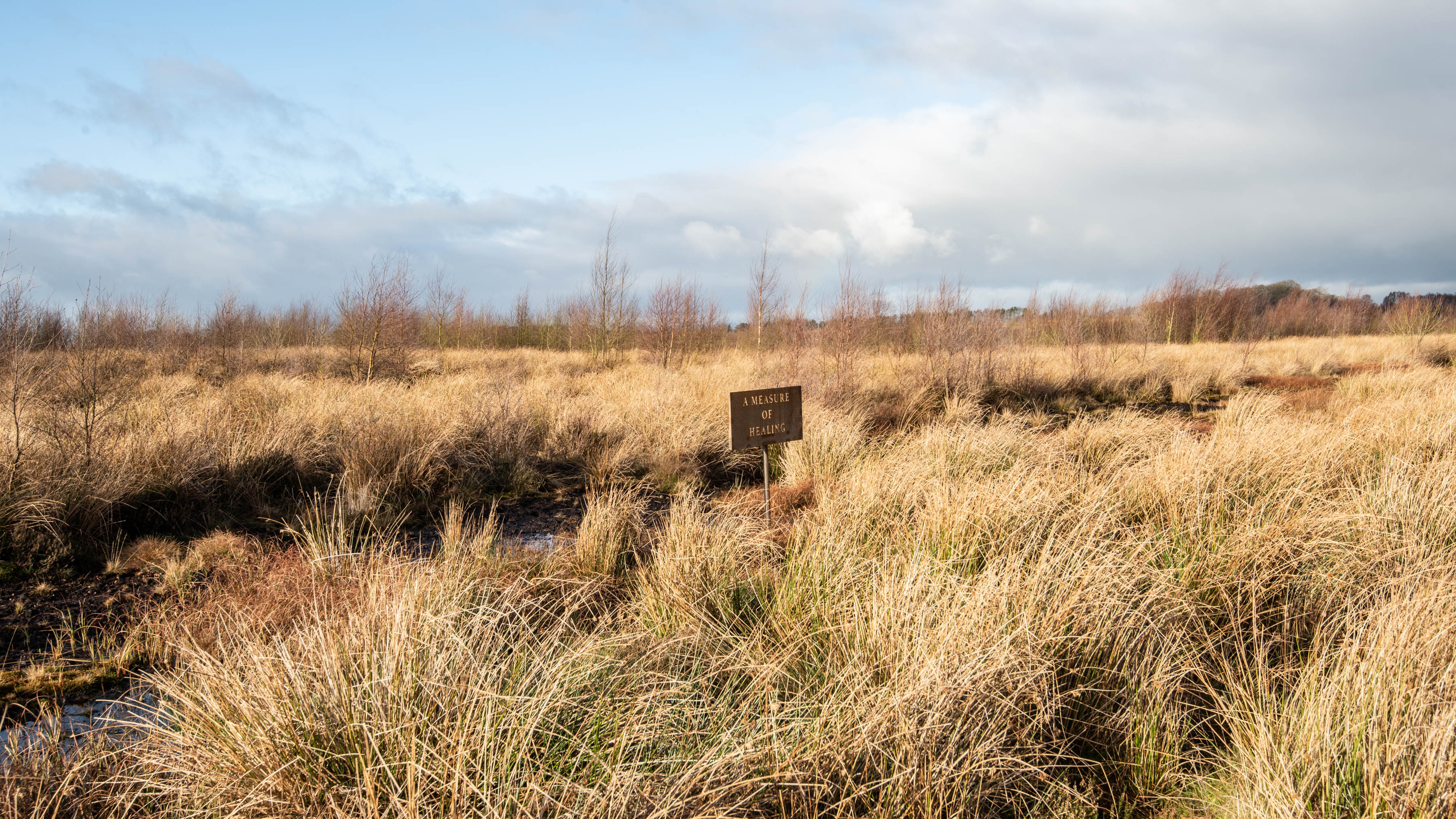
This is one of a set of seven signs that will be placed within sight of the boardwalk, which runs for a circuit of 3km. Together, the signs will form a seven-phrase poem that can be read clockwise or anti-clockwise, or can be read in couplets. Each sign will rust up, blending in with the colours of the bog.

A steel sign rises from a wetland area of a bog and has words cut into it, reading A Measure Of Healing

A tool for scientists

The support pole for each sign acts as a surface level rod, so the team monitoring the growth of sphagnum moss (and, very very slowly, peat itself), will be able to measure incremental change. The support poles extend down to the mineral layer beneath the peat, which is a marker of the end of the last ice age before peat began to form here. The range on chosen sites is 227cm – 578cm, reflecting different levels of extraction around the site.

Process, and first impressions

When you dream something up, then work through the ideas, encounter and overcome design challenges, and get to this stage, you think you know how it will look, but it’s only a guess. You only really know once it’s in …

We’re really happy with it – this first sign carries the qualities that we had hoped it would. The form and material reflect the industrial heritage of the site, where steel was used extensively in the machinery used for peat extraction, and angular shapes were common. The cut-out letters allow the signs to also have a softness, reflecting the softness of the mosses and grasses: as the light changes, or as you walk past the sign, the sign seems somehow to float, and the words are airy. It helps with the invitation for a pause – the words help to convey the ongoing story of this wonderful place, and perhaps for some will be a catalysts for thoughts, feelings, questions and further conversations.

This sign is the third in the sequence, if you follow the boardwalk in a clockwise direction; or the fourth if you walk anticlockwise.

Team work

Massive thanks to Emma at Natural England who has been a really important part of the evolution of this piece, and to Martin Lucas, engineer extraordinaire, whose attention to detail always pays off. And thanks to the rest of the Moss of Many Layers team – scientists, artists, conservationists, rangers – and the local community, who have all been part of the learning that inspired Harriet’s composition of the poem.

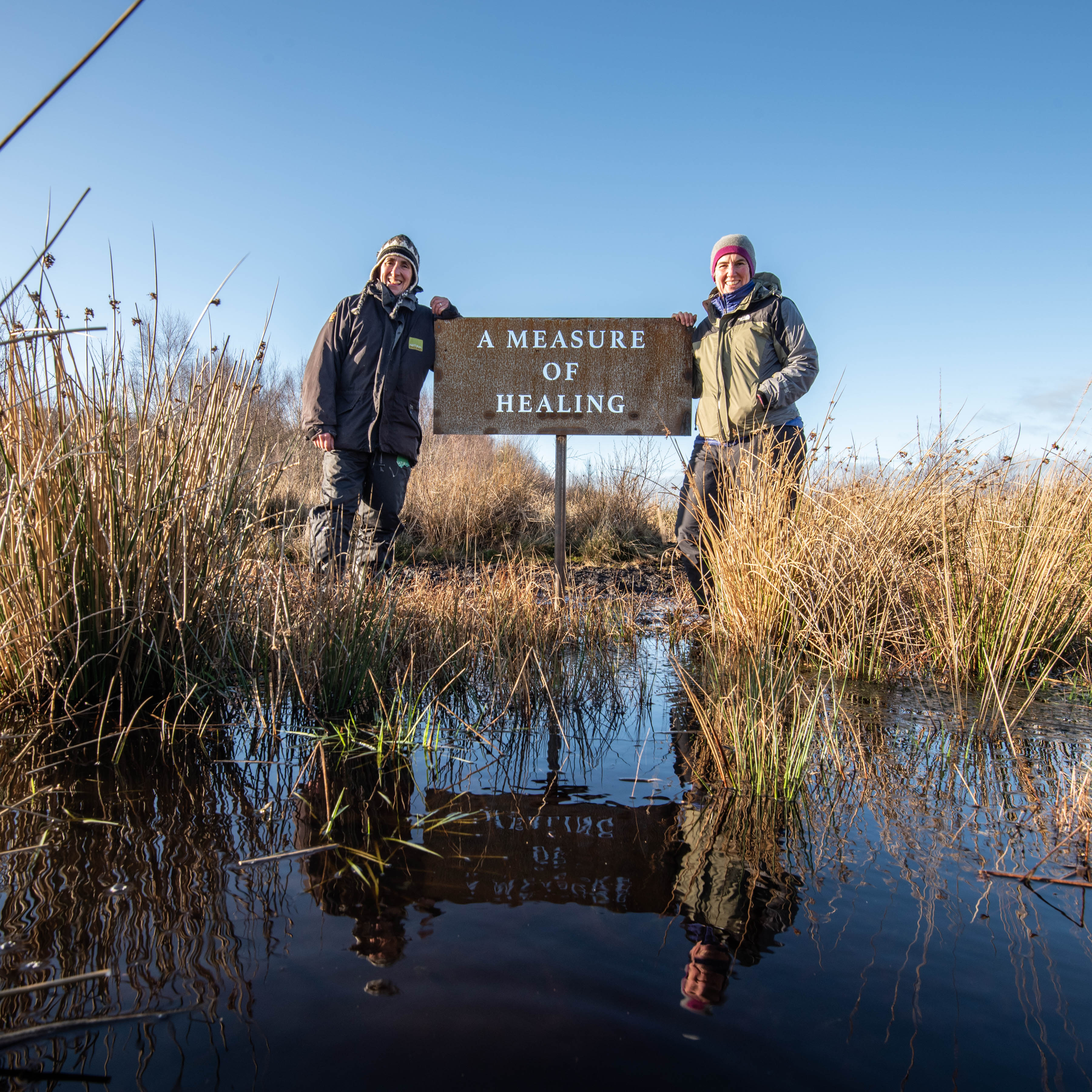
Two women stand either side of a steel sign that has words cut into it reading 'A Measure of Healing'
Emma Austin (left) and Harriet Fraser with the poetry sign

Opening yet to come

The site is a National Nature Reserve but will not be open to the public until later this year. Once the site opens, all the poetry signs will be in place, as will a new shelter on the central ‘island’. We’ll share updates as they happen.

A sign rises from wetland and grasses. Words on the sign read 'A Measure of Healing'

More information about the Moss of Many Layers project here.

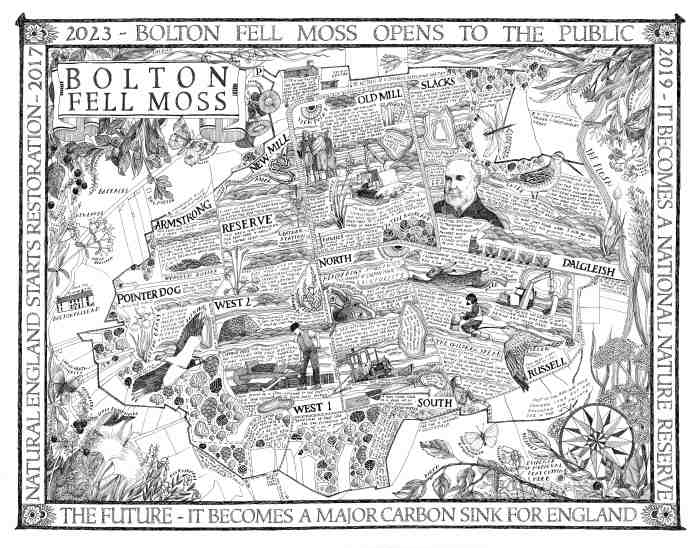
A hand-drawn map of Bolton Fell Moss in Cumbria with words and images, by Helen Cann

Mapping a Moss of many layers

A hand-drawn map of Bolton Fell Moss in Cumbria with words and images, by Helen Cann

One of the main artistic outputs from the Moss of Many Layers project is the map of Bolton Fell Moss created by Helen Cann. This post put together by Harriet Fraser gives a behind-the-scenes look at Helen’s process, and how the map came into being.

Helen’s map not only shows the history of the moss, but also the present, documenting the ongoing upkeep of the Moss, and the hoped-for future as restoration brings rewards.  The layers of time – past, present and future – were important in Helen’s thinking.

The map shares stories from local residents and insights from scientists, and portrays the wildlife communities that have returned to the moss since extraction ceased and are likely to thrive as their habitats improve. It’s a thing of beauty, something that draws you in.

Detail of a handdrawn map of Bolton Fell Moss by Helen Cann. The image contains words (View point and Old Mill) and images of people, with description of the formation of peat over a ten thousand year period

When the original map was shared at the Wide Open Day it was like a magnet – people gathered around it, pointed out things they recognised, new information that surprised them, and used it as a catalyst to share further stories. The map is hand-drawn, in wonderful detail. When further infrastructure is in place on Bolton Fell Moss, and accessible via the boardwalk, a reproduction of the map will be in place. We can’t wait to see it there!

Three people stand with their backs to the camera, while they look at a large map of Bolton Fell Moss


Helen’s process

Helen compiled the map over a number of months. As well as visiting the site (which she reflects on in her blog here), Other artist researchers in the team shared recordings with her, so she could listen to interviews with people who used to work on the site when peat was extracted and ecologists and rangers who are now monitoring recovery of vegetation, and the return of wildlife. And Helen had conversations with the scientists, restoration specialists and others on the Moss of Many Layers team. This approach is new to Helen, and it’s great to see how rewarding it has been.

‘I have rarely worked with an inter-disciplinary team before other than being given access to historian or curatorial research notes, for example. Moss of Many Layers gave me the opportunity to have face to face talks with experts. The site visit was fantastic and vital in understanding the land and being able to have conversations with experts in the field.’ 

Images and writing from a map created by Helen Cann of Bolton Fell Moss. Images include a hare, a curlew, a girl and a digger

The inter-disciplinary nature of this project impacted the approach of all the researchers, with a level of responsiveness that relied on iterative learning and conversations. ‘My experience as an illustrator means my practice involves following a brief and then delivering as near to the agreed brief as possible.  In this case, I created my own brief and then followed through.’

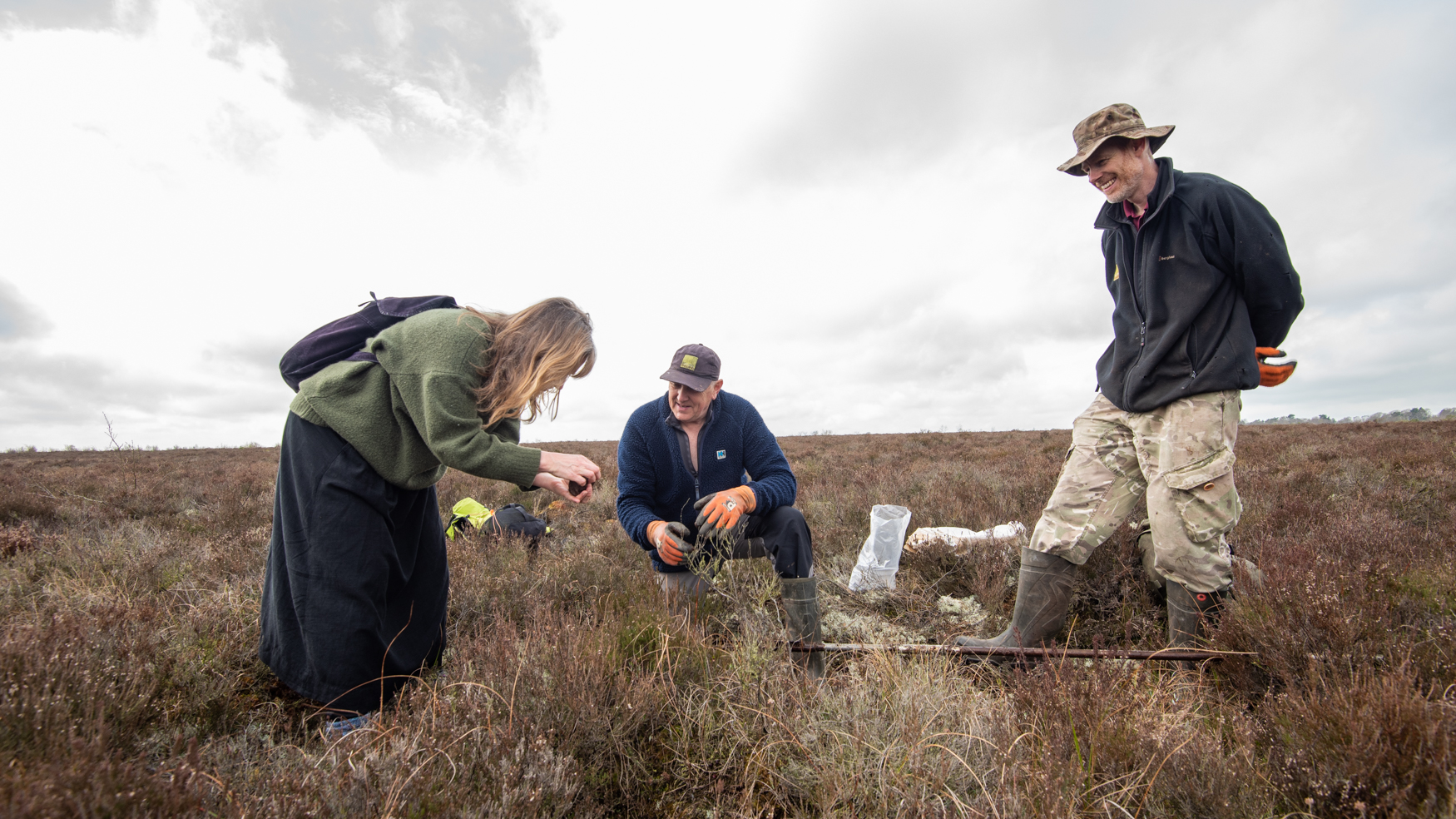
A woman and two men are looking at a peat sample taken from 9 metres beneath the surface of a raised mire.

When we talked about this, Helen reflected that this is quite unusual – but worked perfectly. Each artist began with a loose framework (in Helen’s case, to draw a map) and then let their work evolve according to ongoing learning from visits to the site and from other people. Helen’s visit to Bolton Fell Moss caused her to change some of her initial ideas (and do a fair amount of rubbing out!). This doesn’t happen often in her work. ‘In the future, it might be good to allow myself space for more ‘idea bouncing’ and the flexibility to change course from the initial brief if my thoughts develop or I’m inspired to go in other directions. In general, I’m not sure how acceptable this is for stakeholders if they’ve a been promised a particular outcome – I’d never do this as an illustrator but it’s good to know how/if this works within an art context.’ Perhaps this is a key difference between pure illustration and research-led illustrative artwork, where the shape, detail and overall feel of a piece, can alter along the way: it’s responsive. You can read more about Helen’s reflections on her process on her website here.

One of the aims of the Moss of Many Layers project was for the various pieces of artwork to reflect learning, rather than an aim for a predetermined outcome. We’re really happy that this is what happened – and when all the work is compiled and made available we’ll share a link to it through the project page.

Encountering the unexpected

I asked Helen if anything unexpected happened for her. This was her answer:

‘ – the realisation that the Moss was in a constant state of flux, was still a work in progress and that I’d need to adapt drawings made initially as thoughts and practice had changed over the months.  I’m used to maps becoming anachronistic over time but never within such a short time, and I have to acknowledge that some elements of the map may be out of date by the time it’s actually printed as a sign!’

This might be a little unexpected in the context of creating an illustration, but it is an encouraging reflection: now that extraction has come to an end and restoration work is beginning to have a positive effect in the way water balance is shifting on the moss, the process of healing is showing quick results. It’s part of the positive story of this place – the geographical location won’t change, but a lot else will.

And a final word from Helen? ‘It’s been a blast.  I learnt loads and am really pleased with how the map turned out. I wish I could have had some of that cake.*’

*The cake at the Wide Open Day was a 3D presentation of the bog.


Moss of Many Layers Film

By Juliet Klottrup

Juliet Klottrup was one of the five artists who worked as part of the team on the Moss of Many Layers project – here’s the film she made after months of research. Click the link and enjoy – it’s a 15-minute watch.

The film now features in the COP26 Virtual Peat Pavillion – visit it there and find out more about peat, mires, mosses and bogs across the world.

An image of the virtual peat pavillion at COP26

To find out more about the project, and the extraordinary Bolton Fell Moss National Nature Reserve, visit the project page here.

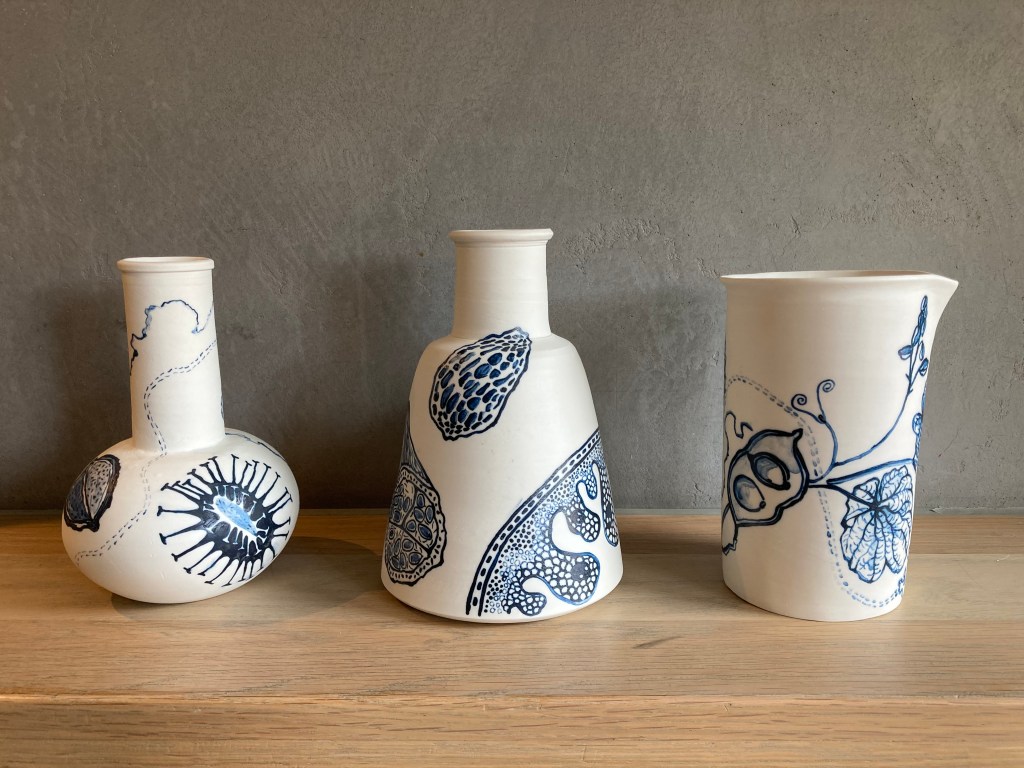
Three ceramic pots which are white with blue drawings on them representing food

food crops, sustainability & GM

Guest blog by Daksha Patel

This new work – a group of three ceramic pieces – explores themes of global food security and the impact of climate change and new pests and diseases upon food crops.

Three ceramic pots which are white with blue drawings on them representing food

We are today increasingly reliant on a very small number of food crop species worldwide. According to a report by the New Scientist only 0.1% of the planet’s edible plants are currently used to feed people. Research at Kew is exploring how traditional and wild food crop varieties, which are more resilient to shifting climatic conditions and emerging pests and diseases, can be used to breed genetic diversity into today’s food crops to make them more resilient.

I was commissioned to create this work as part of ‘A Modest Show’ collateral events at BAS9 (The British Art Show 9) in Manchester, 2022. The ceramic pieces featured at the event I’ll Bring You Flowers, a pop up meal and exhibition with fellow Suite Studio artists Fiona Donald and Lisa Remers. This brought together curators, artists, feminist chef and sommelier duo Anna Søgaard and Kim McBride from SUPPher, for an evening of wonderful food, wine and conversations with the general public. Some very interesting discussions about the environment, plant diversity, climate change and plant genetics ensued!

I often start new work by drawing. These sketches are of traditional food crops such as Akkoub (part of the sunflower family which grows in Lebanon, Syria and Palestine) and the Morama bean (an oilseed which grows in Botswana, Namibia, South Africa and the Kalahari desert). It is of course impossible to ignore the other man-made threat to global food security: the impact of war and conflict on the supply chains of staple foods such as wheat. I incorporated mapping lines into the drawings to suggest coastlines and shipping routes, connecting different plants and geographical regions together.

I wanted the forms of the pots to reflect glass instruments such as conical flasks and beakers typically used in research laboratories. They were thrown in porcelain by Steve Graham at Clay Studio Manchester who skilfully and precisely followed my designs.

I used cobalt oxide to decorate the pots, an intricate process using tissue paper to transfer my drawings with a fine brush. It was very difficult to see what the final result would be, as the cobalt oxide was gritty and didn’t emulsify in the way water colours do. It was simply a question of making different concentrations of oxide by mixing with water, and waiting to see what emerged after firing.

A white ceramic pot raised on a potter's wheel with a design

The genetic modification of food crops is enmeshed in all kinds of inter-related, unresolved and ongoing issues. Farmers may become increasing reliant upon expensive seeds from the very small number of biotech companies who own the intellectual property for the genetic variations. The impact of GMO contamination in the environment is an ongoing concern that needs more research. Ultimately, scientific research is implicated in wider social, political, economic and environmental issues.

Finely decorated porcelain pots and food are both deeply connected to social practices and culture. The juxtaposition of traditional crafts with the laboratory-based forms and drawings on the ceramics, positions the scientific research into food crops and genetics in wider social contexts.

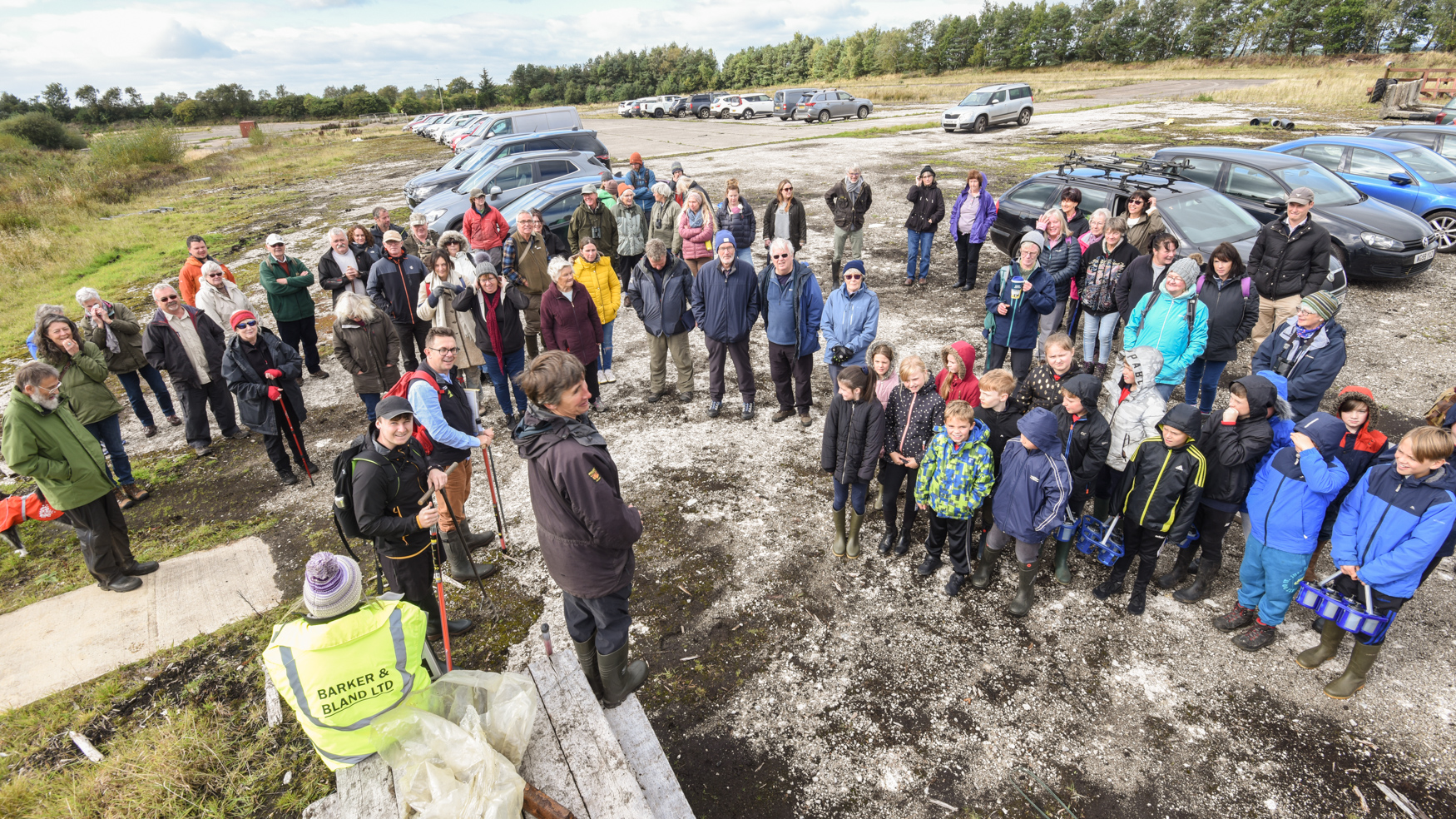
A group of people stand with cars in the background

Wide Open day at Bolton Fell Moss

What a day on Monday to celebrate Bolton Fell Moss and the work that’s been done through the Moss of Many Layers project. We were blessed with dry weather for the walk, and the buzz continued in Hethersgill Village Hall afterwards.

A group of people gathered in a car park before heading out on a walk

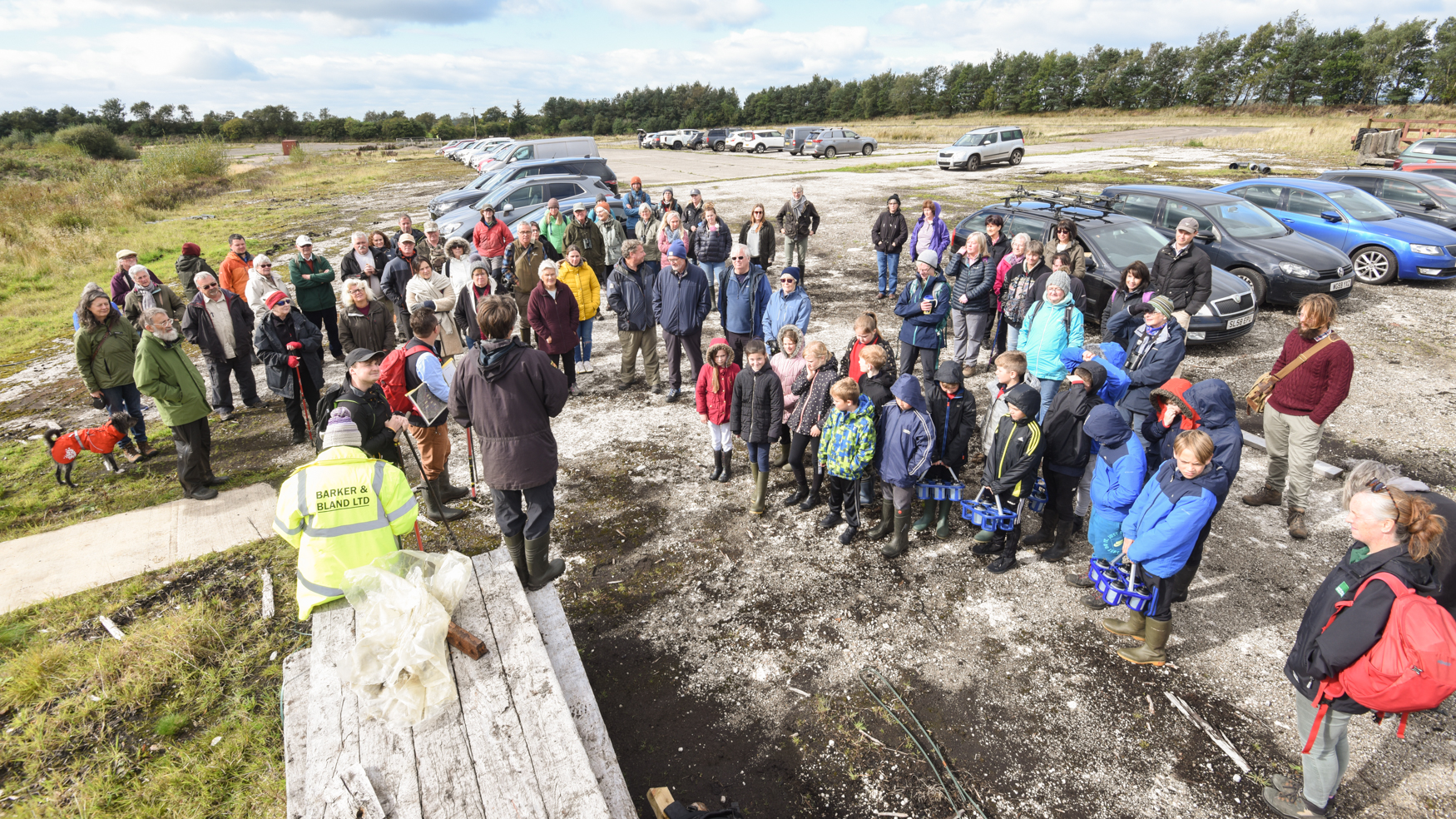
We were quite astounded with the uptake of tickets for the walk – more than seventy people came along. We separated into four smaller groups, each led by two members of the Moss of Many Layers team who shared insights about the bog.

Huge thanks to everyone who came along – in each group there were people who had never been here before, as well as people who have connections with this place, so there was a lot to be shared, including stories of working here during the bog’s time as a site of peat extraction, or of working on restoration tasks, surveying and conservation. The children shared their own stories and the knowledge they’ve gained during the past year and were able to show others the peat ‘bunds’ they had created, which are now holding water, ready for sphagnum mosses to become established.

In the hall there was plenty of time for people to chat and find out more about Bolton Fell Moss and about the Moss of Many Layers project. People arrived who hadn’t joined the walk, it was a real pleasure to meet so many people who live locally and have their own connections with the bog. There is a lot of pride in this wonderful place!

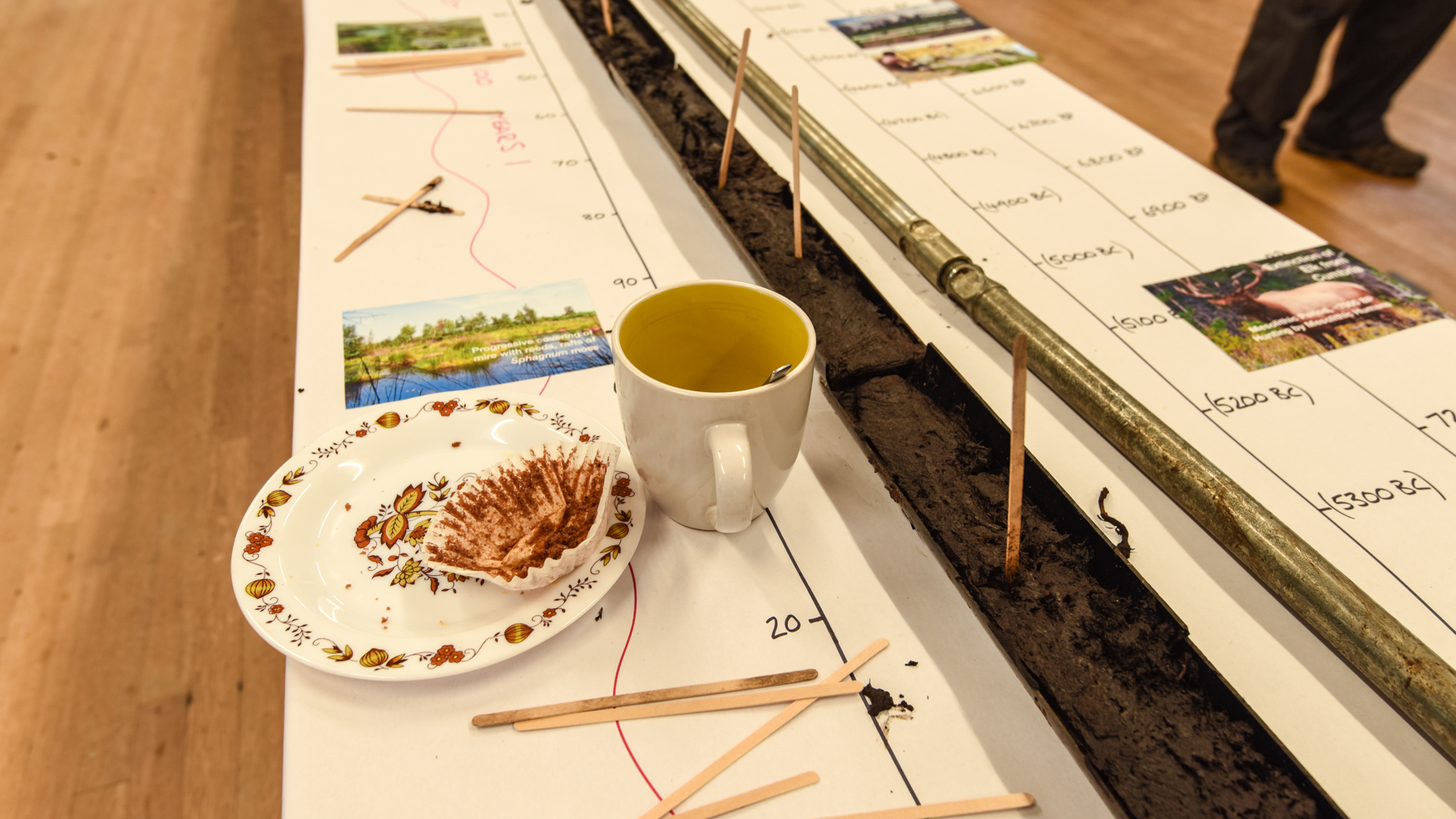
The ‘star’ of the show was the peat core, which at more than 8-metres long took pride of place. Other work on display included Helen’s beautiful map; a series of portrait images taken by Rob, to share the faces and stories of people connected with this place; artwork from Shankhill Primary School children and young people from William Howard School who have worked with Anne; information about the Moss put together by Emma; a set of poetry written by Harriet; and a drone and GPS tracking devices that the scientists have been using for their research. And Juliet’s film had its premier with back to back screenings.

As with most gatherings, the party extended into the kitchen, and around the wonderful ‘Moss of Many Layers’ cake.

The best way to tell the story is through some images of the day. A digital collection of the work that’s been produced will be coming in due course, and we’ll be sharing the film as well. Watch this space!

A cake decorated to look like Bolton Fell Moss, a recovering peat bog. The train in the foreground carried peat in the days of extraction, in the background the cake is green
Every event deserves a good cake

To find out more about the Moss of Many Layers project and the team, visit this page.

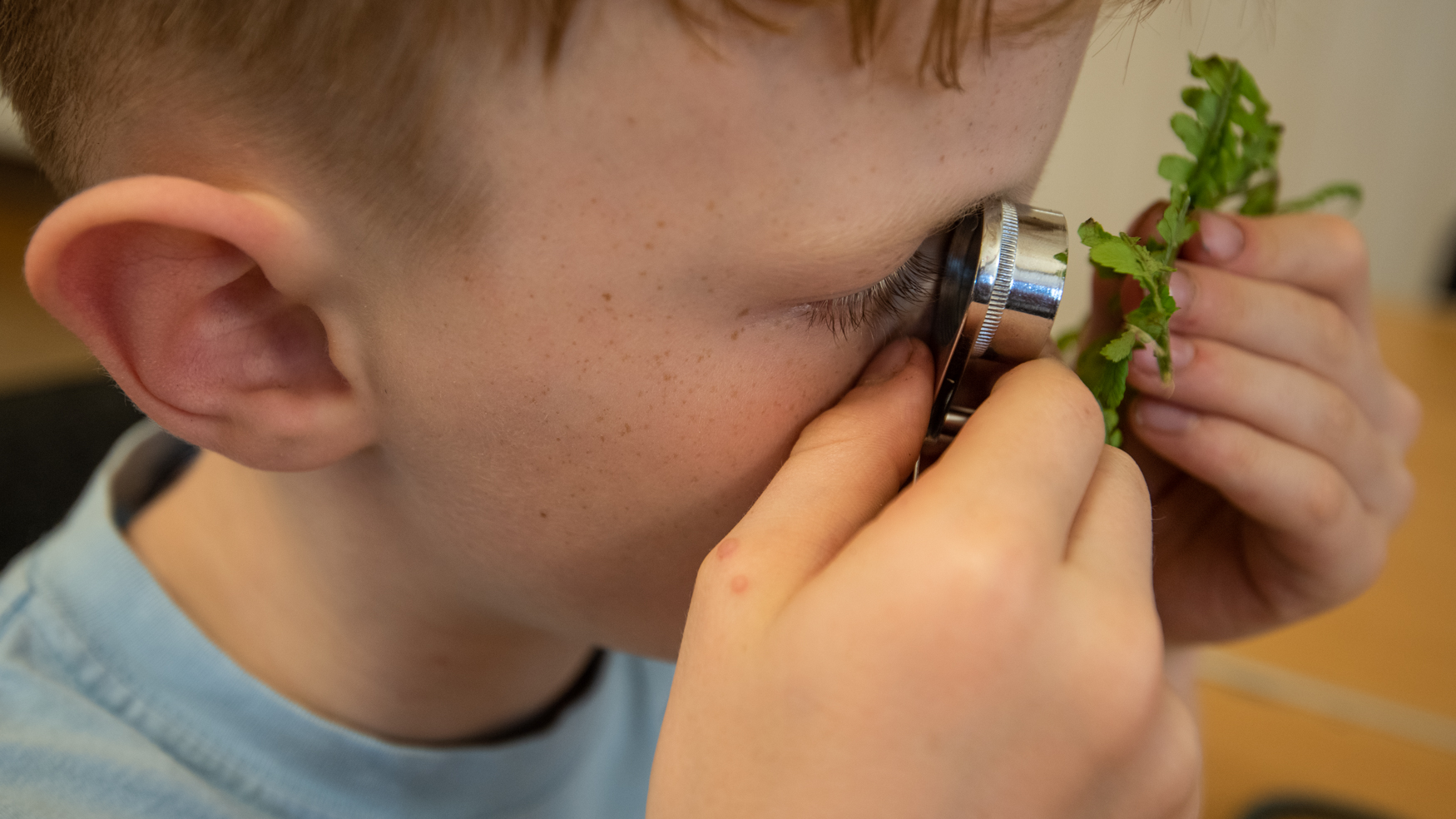
a young child looking at a fern through a magnifying lens

hand in hand

Working with young people: Reflections from Anne Waggot Knott


Let’s burrow and borrow,

hand in hand, for tomorrow.


a child's hands squidging a lump of wet peat_creditAWK

The crux of the Moss of Many Layers project has always been about facilitating a deeper connection between the community and Bolton Fell Moss, more than just visiting the bog and creating work inspired by our visits. Reflecting on our engagement with young people, I think we’ve achieved a rich and profound process of exchange and reciprocity, of sharing and balance, between the students and the bog itself. Not just sharing information and ideas, but a tangible, physical, corporeal exchange.

The students have contributed their time, their minds, their hands and their handiwork. They committed a level of bravery; physical and mental exposure to this unpredictable, new environment and its elements. They’ve been listening and looking and trusting and digging and pushing and probing deep into the peat itself, getting dirt behind their nails, and (literally, in some cases!) immersing themselves the bog. They planted restorative species, putting something back into the landscape, a physical symbol of their involvement.

In return, Bolton Fell Moss has given back to them. As new ambassadors and stewards for this valuable place, they have watched it change through the seasons and they carry with them fresh knowledge and understanding from the land. The bog also gave up pieces of flora and fauna to take away and use in their artwork.

a young child looking at a fern through a magnifying lens

Building relationships

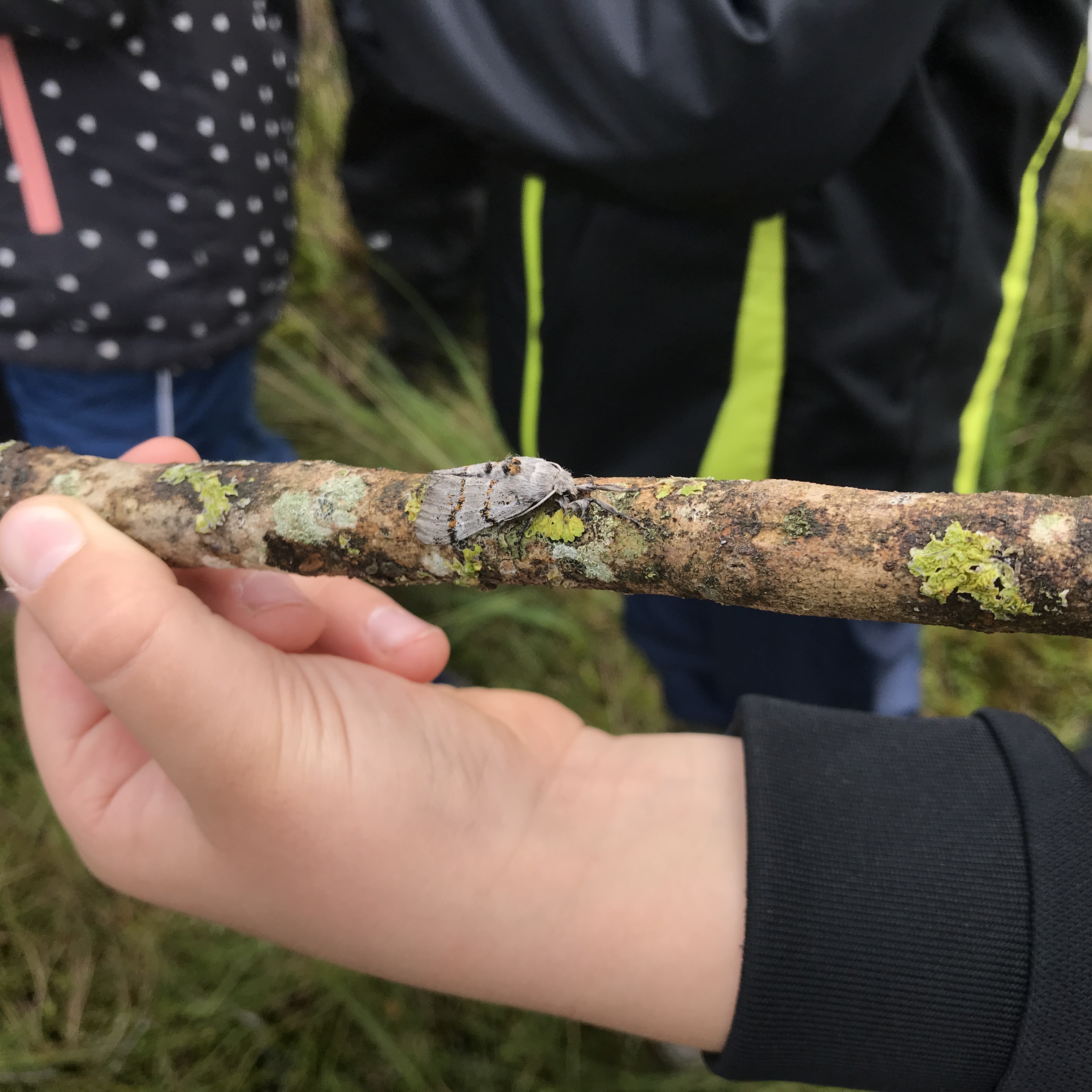
Foraging forces a slow, vigilant journey in the landscape. Through the careful acts of identifying, collecting, handling, protecting and transporting their finds, students developed a sense of ownership and responsibility for these tiny fragments. Their pride was evident in producing their foraged items back in the art room, examining them repeatedly and becoming familiar with the detail. This physical contact with the plantlife over a period of time, this guardianship and forensic examination, cements and reinforces a relationship, like hugging or holding hands.

Prior to industrial peat extraction, bogs were similarly part of the community as domestic sources of foraged foodstuffs. People picked berries, fungi and medicinal plants, and enjoyed a familiarity with their peat landscapes. It’s satisfying to have catalysed an intimate, tactile relationship between the bog and people once again. I like to think of the students’ work as a collective portrait of the bog, personifying and celebrating it as we would a prominent member of the family. We’ve welcomed it as part of the community again.

Letting things happen

I had very fluid expectations of these creative sessions. Although structured, I’ve assumed a broad acceptance of whatever the students and the bog bring to the table on the day. The act of making has proved fruitful as a vehicle for continued, pressure-free conversation and discussion. As we drew and stuck and printed, we’ve created so many opportunities for holistic conversations, anchored in the bog but relevant to the climate emergency and the way we use our natural resources. The students have enjoyed an opportunity to manifest their findings in a personal way, playing to their own strengths, reaching their own conclusions, and processing their experience with no judgement or assessment.

Art, science and community

I think we’ve also helped to embed the idea, early and subconsciously, that science and art don’t sit separately. And that this is a generation of connected, multidisciplinary young people who are broad, creative, confident, analytical thinkers, capable of bringing great breadth and depth to future environmental research and policymaking.

Artists and scientists work in similar ways: we research, experiment, create outcomes, disseminate and evaluate. From my perspective, Moss of Many Layers exemplifies the successful intertwining of approaches and processes, with funded time and space for experimentation. It has created a basis for triangulating art, science and community around our protected landscapes. It’s encouraging to see many more research and engagement projects take this approach as a matter of course, recognising the value of embedding artists and scientists in relationship with our natural world, hand-in-hand.

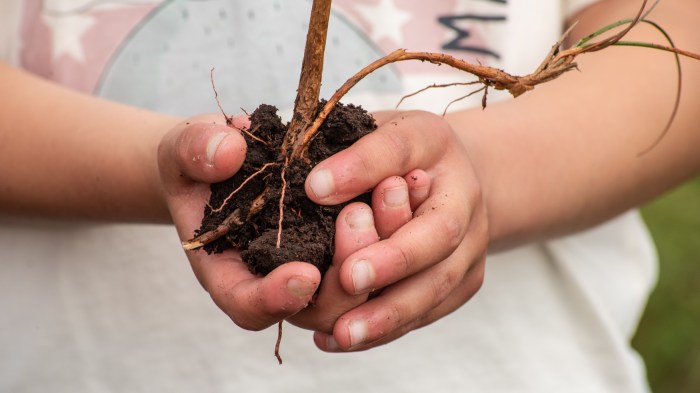
a child's hands holding the root ball of a plant
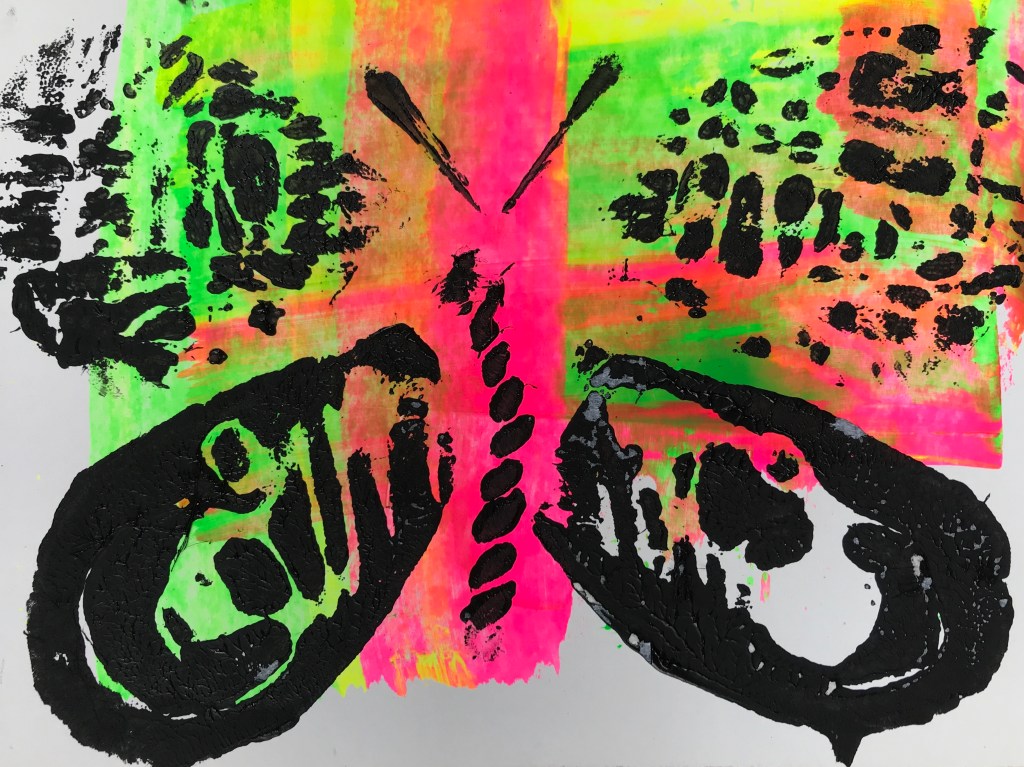
a child's bright collagraph print of a butterfly

Find out more: the NERC-funded Moss of Many Layers project.

Jack Brennand’s Moss reflections

Learning about bog life, restoration, carbon sequestration and arts-science collaborations … here’s a short film of Jack Brennand, PhD student at Cumbria University, talking about his research into bogs and peat and his experience working on the Moss of Many Layers project.

Film still: Simon Carr on Bolton Fell Moss

Restoration Joy

A quick post with a short piece of ad-hoc filming at Bolton Fell Moss back in December 2021. Dr Simon Carr, PhD student Jack Brennand and Natural England Senior Reserves Manager Emma Austin share their delight in the progress that’s being made. Looking over some of the peat milling fields, they explain what we can see. Restoration work has included the creation of bunds, where peat has been moved to re-profile the land so that water can begin to settle.

Slowly, mosses and grasses will begin to colonise but all this happens much more quickly with a little help. Jane Barker of Barker and Bland has been critical in this process, and some of the restoration work on Bolton Fell Moss has involved adding sphagnum moss and cotton grass back to the bare surface of the peat.

More about this process, the way peat works, and what’s needed to restore damaged peatlands, will be shared on the Wide Open Day, and in the work that Rob and Juliet are creating with their photographs and film.

For more on the team, see this page here.

'Time Settles Darkly' Canvas installed on Bolton Fell Moss, with artist Harriet Fraser

A poem, Settling

Finding a poem to fit a place. Harriet Fraser reflects on the process behind the composition of a poem that will be sited on Bolton Fell Moss, as part of the Moss of Many Layers Project.

A bog is an other place. A place where time happens at a different pace. Writing too.

As the poet on the team with Moss of Many Layers I’ve been feeling my way in to the place and its story, listening to the scientists who relate tales of peat creation, carbon sequestration, mosses and more. I’ve been listening to and getting a feel for the place, the wind sweeping through grasses, the birds who change their tunes depending on the time of year, the silence of a surfaced bog oak, the buzz of dragonflies, the squelch of peat when I push a finger or a rod through it, and the sense of space and expansion out here. I’ve chatted with men who work on diggers moving tonnes of peat around to fashion bunds and ditches, doing what they can to help the water on this drained peatland find a level that’s perfect for moss. I’ve learnt from the Natural England reserve managers, from ecologists, and I’ve heard from people who once worked here, or knew someone who did, cutting into peat, or moving the tracks that supported carriages that carried peat out of its soft deep home and onto hard standing before being sent off for the horticultural industry. This moss is a place of layered lives.

The words for poetry have behaved a bit like ancient peat, staying quiet, taking time. They work their way to the front of my mind slowly, mostly while I sit with the vast bog and the edgeless sky around me, and let my mental tempo shift.

A large canvas set on the flat ground of a peat bog. The words on the canvas read 'AN OTHER PLACE'

Away from the bog, I’ve listened back to recordings of conversations and the sounds of the bog to remind me of the things I’ve heard. Parts per million. A thousand years in a metre of peat. Lapwings playing. Children wondering about carbon. Laughter about machines sinking. The colours of sphagnum. The call of a golden plover.

Early on in the ideas-phase of this project, I had the intention of composing a poem that could be placed, physically, in sections around the bog, visible from the boardwalk (which runs for roughly 3000m). I enjoy the challenge of installing words on hard materials – it’s not just finding the right words for the location but there’s the necessity of paring things down to fit available space. Returning several times to re-think and re-work the words has been essential. Using a large canvas to play with some phrases was also a key part of the process: a way to spend a lot of time sitting with place and words, with wind, sky and birds, and get a sense for what feels right.

in this moss of many layers
time settles darkly
a measure of healing

The words for the physical poem have now settled with me: they will be laser-cut into galvanised steel so the letters are voids, with a steel surround. The material I’ve chosen picks up on the industrial heritage of Bolton Fell Moss – remnants of steel are still scattered here, rusted to the colour of young peat. It won’t be long before the poem signs take on this colour. The letters will pick up the colour and texture of sky, moss, cotton grass, or maybe mist.

There will be seven signs, each with a short phrase. Each phrase, I hope, invites a pause, and also connects with the next, whether you walk clockwise or widdershins. Together the set of seven forms a poem that can be read in either direction.

Cutting out phrases, moving things around, working things out over breakfast

In thinking about the physicality of the work, I’ve had lots of conversations with others in the team, particularly with Rob who often helps me work through logistical issues, and with Emma Austin, who’s Senior Reserve Manager, and Jack Brennand, whose PhD study dives into peat restoration; he has explained the way ‘surface-level rods’ are used to measure long-term peat growth. All this has influenced the decision to use supports for the signs that run down to the mineral layer beneath the peat, so that they can act as monitors of change. As peat forms at a rate of one millimeter a year, it’s true that we personally won’t live to see much difference in the peat layer, but where sphagnum grows the upper layer (or acratelm) can accumulate at around ten centimeters a year. The poem signs will join other measurement tools across the bog. This crossover between poetry, place and science, head and heart, makes me grin. Is it just me? It feels so very satisfying.

The phrases contained in the short poem will appear in a longer poem (that I’m writing on paper instead of steel), as part of a series. My aim is to bring in a number of perspectives: time, peat, the work of extraction, and restoration, birds, animals, questions, concerns, change, hope.

I’ll be sharing some of the poems during the Poetry Walk on September 10th, and the full set of poems will be revealed at the ‘Wide Open Day’ on September 19th.

The poem signs will be installed on Bolton Fell Moss ready for the site’s opening to the public next year.

how does it feel
sky and earth
shifting

A notebook is held open on a table, showing pencil-writing; these are notes made by poet Harriet Fraser
Some of the notes I’ve made while spending time with the bog